
Moving Company Truck Wraps and Fleet Graphics
A moving truck offers a large brand surface, but the company still needs a clear message and an organized fleet system. Plan graphics that identify the mover, distinguish the services it actually offers and adapt to box lengths, loading hardware and support vehicles.
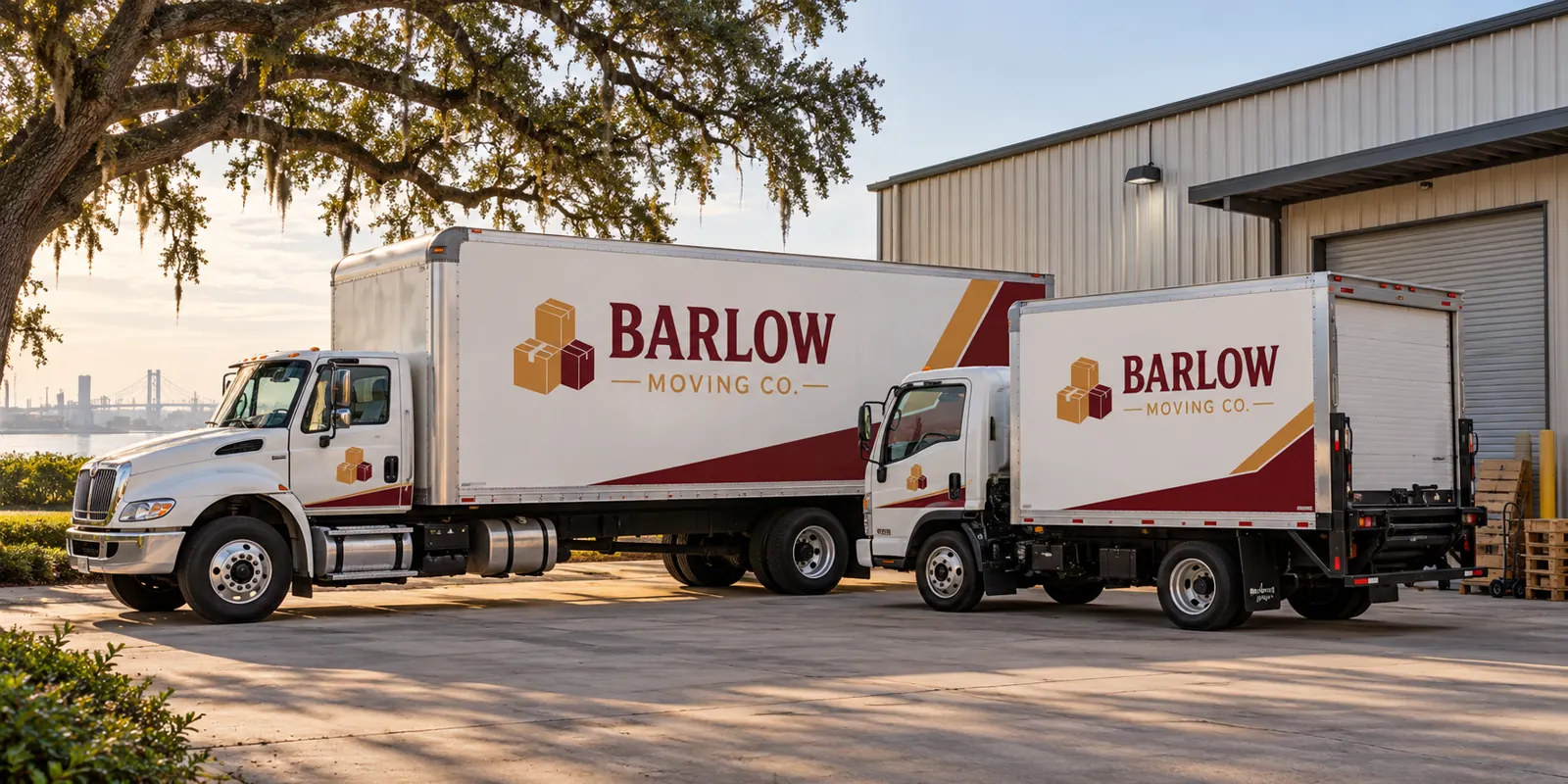
Fictional commercial wrap design concept; not a completed customer installation.
Make the moving company recognizable before adding detail
Start with the business name and a clear moving-service description. A large truck can carry substantial artwork, but empty space does not need to become a long list. Decide what a person should remember after seeing the vehicle at a property or loading area. The company identity and contact route should remain easy to find.
Use a concise hierarchy rather than giving every service, slogan and icon equal weight. A distinctive color system can support recognition across the fleet, while the website carries the detailed information a potential customer may need next. Do not treat the size of the truck as a reason to add unverified ratings, guarantees or awards.
Choose service wording that fits the work you want to book
Residential moves, office moves and other commercial services can call for different emphasis. Identify the categories the business actually offers and the audience the vehicle should address. Use approved wording that remains understandable without turning the side panel into a dense menu. If different divisions need distinct versions, define them within a shared brand system.
Supply accurate business and vehicle identification from your own records. Confirm applicable display requirements through the appropriate authority where needed, then have the responsible person verify the proof. A fictional concept or another mover’s truck should not become the source for actual identifiers or claims about operating authority.
Inventory box lengths, doors and loading equipment
List each truck configuration and quantity, including body length, rear door type and liftgate or ramp equipment. Send current photographs of both sides and rear, plus close views of hardware and existing graphics. Two trucks with similar cabs can have different boxes and usable graphic areas.
The box truck page covers the equipment-specific decisions. Include vans and trailers separately if they support the operation. A shared fleet identity can adapt across these bodies without assuming one production file fits every vehicle.
Use the large panels deliberately and review the rear separately
A broad box side can support a strong name, a clear service description and purposeful imagery. Keep contrast and separation around the main information, then judge the design at a reduced size. Details that look attractive on a monitor may contribute little when the truck is seen across a parking area.
Rear doors, latches, gaps and liftgate components create a different composition. Review the contact route and business identity against the actual hardware. Do not simply shrink the side design onto the rear. Identify included panels and exclusions in the proof so the scope describes the work rather than leaving important coverage decisions implied.
Compare coverage and keep the brand system repeatable
Lettering and selected-panel graphics may suit a restrained identity on consistent paint. Partial coverage can introduce a recognizable color area, while fuller coverage provides another visual direction. Compare options using the same message and vehicle photographs. More printed surface does not automatically create a clearer identity.
Use the partial-wrap guide and full-wrap guide to define the requested treatment. Keep the approved hierarchy and colors consistent across box lengths, while adapting placement. Retain separate proof references for body versions and unit identifiers so later additions begin from the correct layout.
Fit condition review and scheduling around booked moves
Identify when each truck can be released and how its work will be covered. Distinguish desired dates from confirmed arrangements. Clarify transport, access and collection responsibilities before planning around installation. A phased fleet refresh should reflect booked work, body differences and the actual project schedule rather than a general turnaround statement.
Share close photos of old vinyl, residue, repairs, peeling paint and other condition concerns. Removal and preparation need to be explicit in the scope. Graphics should not be treated as a repair for an underlying surface problem. The inventory worksheet helps connect the units, photo references and release windows before approval.
Prepare a moving-fleet brief for a defined proposal
Send vehicle and body details, quantities, current photos, brand files and essential wording. State the coverage options to assess and identify the person who can verify business details and consolidate feedback. Record what remains uncertain rather than guessing a measurement or assuming an older layout fits a newly purchased truck.
Use the cost guide to compare complete scopes and request a moving-fleet graphics quote. The trucks shown here use a fictional moving-company identity. They illustrate a coordinated design direction without presenting customer jobs, operating credentials, sales results or service performance as evidence.
Frequently Asked Questions
Turn Your Vehicle Details Into a Clear Project Brief
Send current photographs, vehicle quantities, logo files, coverage preferences and timing. Identify old graphics and paint concerns so the project review can address the actual equipment.
Explore planning resources or request your commercial wrap quote.
