
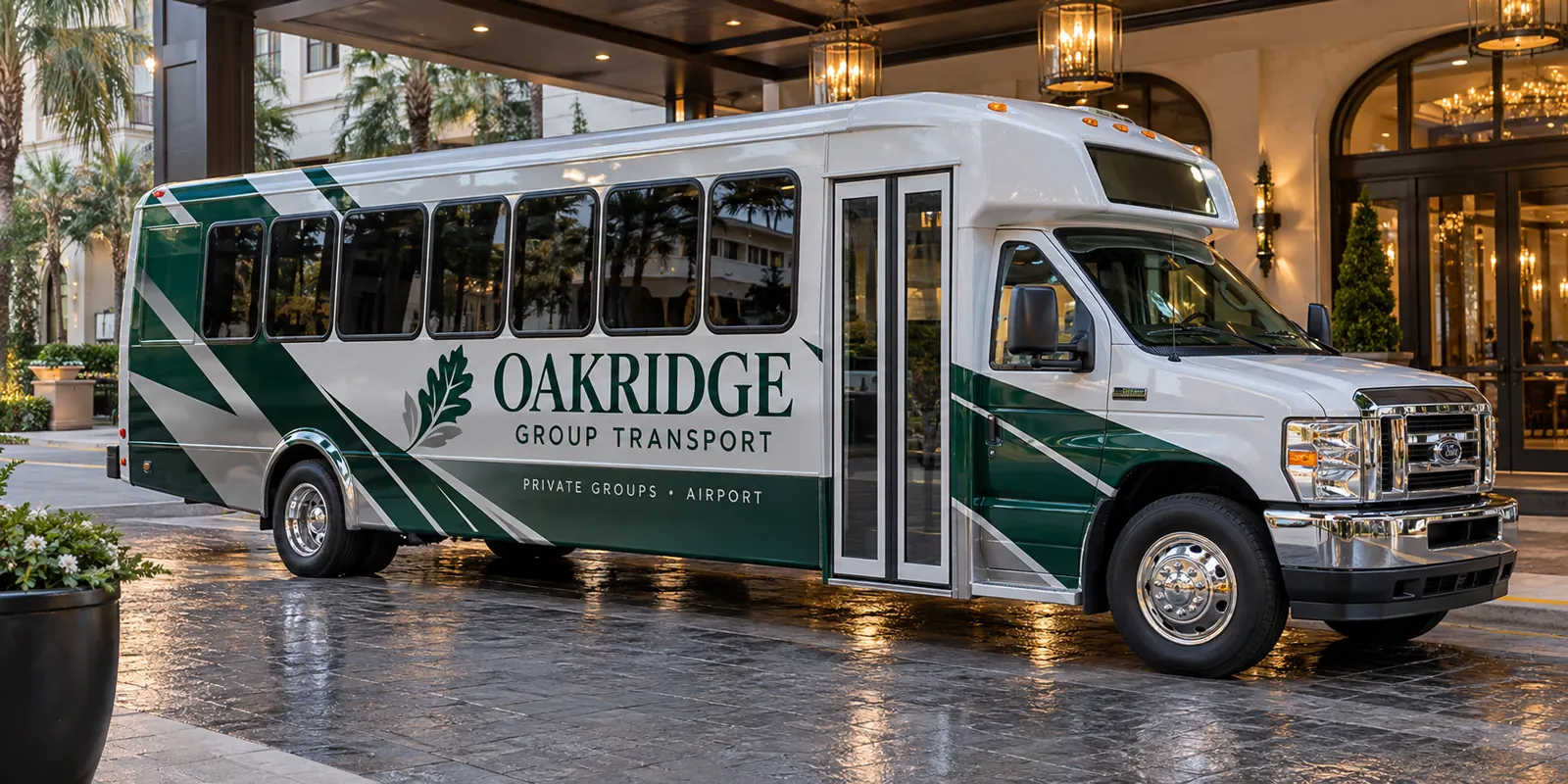
Illustrative commercial wrap design concept.
A Fresh Identity for an Older Shuttle
Move the slider to compare the same shuttle bus with an illustrative new wrap design.
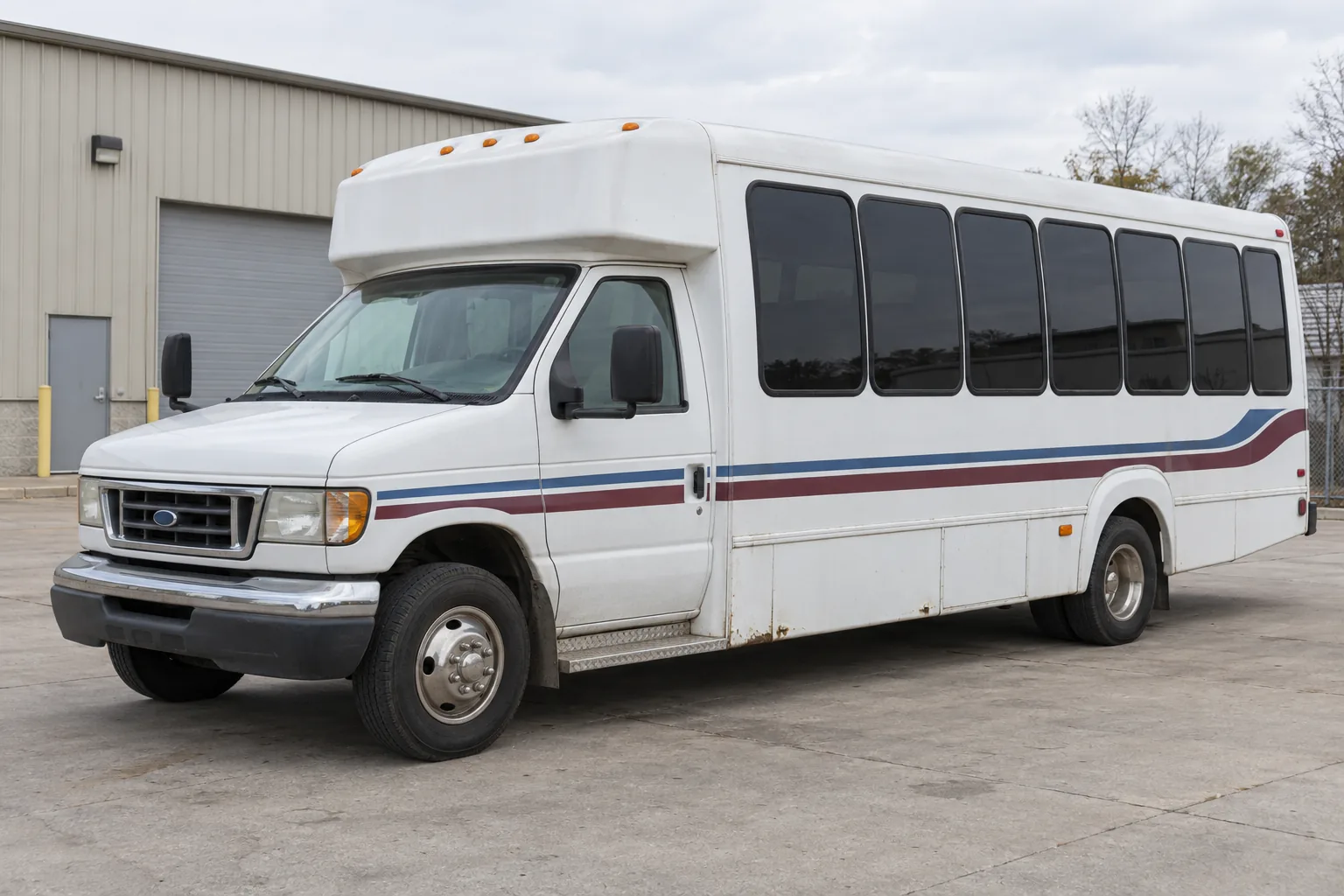
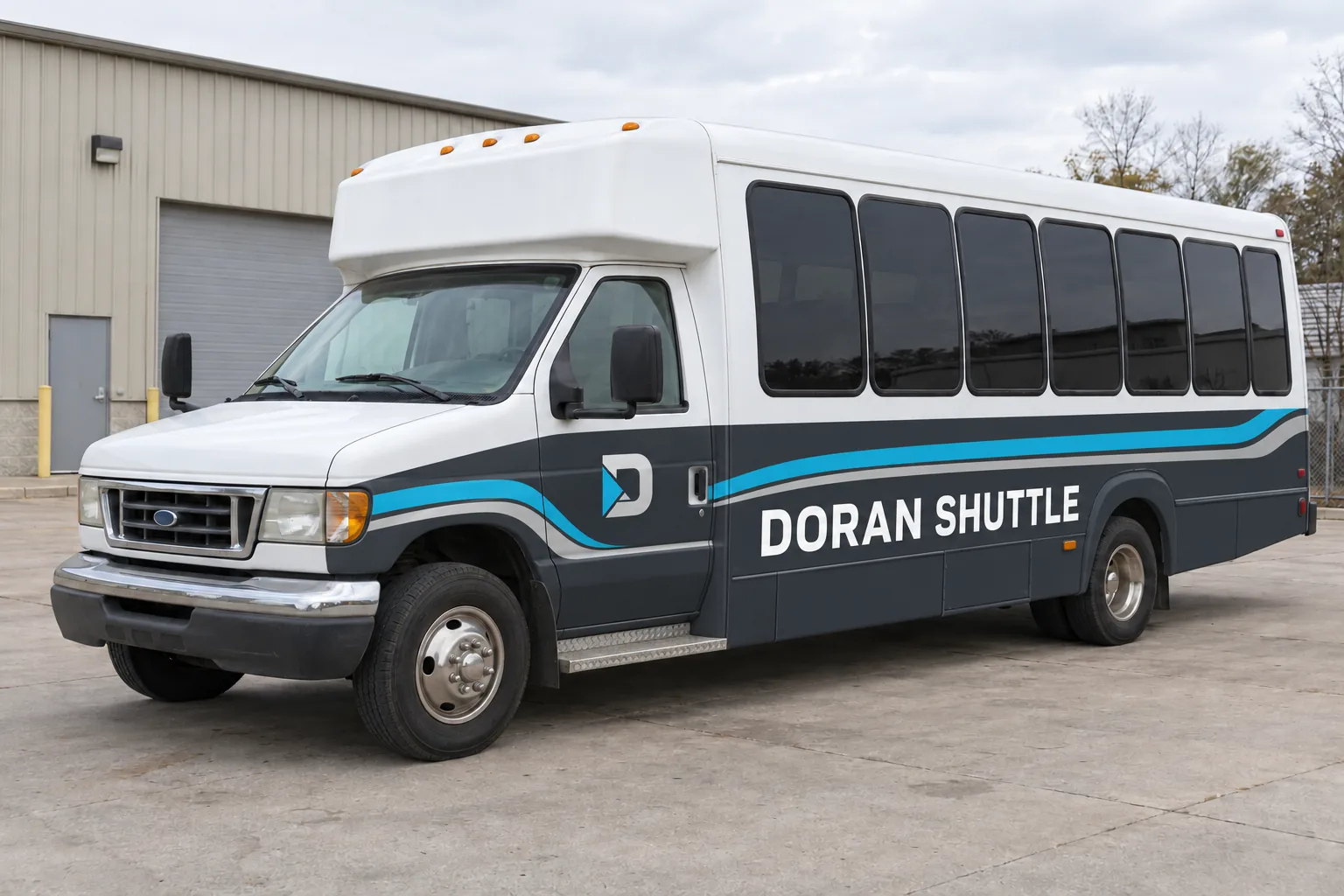
Illustrative rebrand concept with a fictional business; not a customer installation. The after-view assumes a sound, properly prepared surface. Rust, failed paint and damaged panels need assessment and appropriate repair before graphics.
What to Know
Pelican Wraps • Commercial Graphics
Bus & Shuttle Wraps Built For Real-World Visibility
Bus & Shuttle Wraps from Pelican Wraps deliver high-visibility passenger fleet branding for shuttles, buses, transit vehicles and hospitality transportation. We plan the message, coverage, materials, production and installation around how the asset is actually seen and used.
Strategy Before Production
Successful bus and shuttle wraps begin with the business objective rather than decoration. Pelican Wraps reviews the audience, operating area, viewing distance, brand standards, vehicle or surface condition, expected service life and future expansion plans. The result is a graphic system that communicates quickly without crowding every available panel.
Primary branding, the most valuable service message and a direct response path receive the strongest visual priority. Secondary details are organized so they remain useful without weakening recognition. This approach is especially important for shuttles, buses, transit vehicles and hospitality transportation, where motion, distance, door seams, hardware and changing light affect readability.
Design, Materials And Production
Artwork is prepared to the documented dimensions of the vehicle, equipment or architectural surface. We account for contours, windows, rivets, handles, panel breaks and areas that should remain free of important text. Clients review scaled proofs before production so placement, hierarchy and brand consistency can be confirmed.
Material selection depends on surface type, exposure, removability, finish and planned service life. Professional films, compatible inks and protective laminates are matched as a system. Production files, approved colors and placement references can be retained for repeat orders, damaged-panel replacements and fleet additions.
- Scaled artwork and placement review
- Commercial-grade films and laminates
- Color and production documentation
- Surface preparation and installation planning
- Repeatable files for future additions
- Final inspection and care guidance
Built Around Operations
Installation planning matters as much as design. Vehicles and working assets must be clean, dry and available long enough for proper preparation and application. Multi-unit programs can be phased to reduce operational disruption, while clearly labeled production packages help keep assignments organized.
For growing businesses, consistency becomes a management issue. New vehicle models may require adapted layouts, but the core identity, color, message priority and placement logic should remain recognizable. Pelican Wraps connects each project to broader fleet wrap planning, local service and replacement support.
Common Questions
Make the Vehicle Easy to Recognize
A shuttle or bus often needs to identify the operator and help passengers recognize the right vehicle. Start with the organization name, service type and essential boarding information. Airport, hotel, employee and group-transport operators may have different communication priorities. Keep the passenger-facing message understandable before adding decorative graphics or a long list of services.
Consider where the bus is normally viewed: a curbside pickup area, parking lot, hotel entrance or moving traffic. Side, front and rear visibility all matter, but they do not need identical wording. Ask which areas remain visible when passengers board and luggage is loaded. A layout that looks strong on an isolated rendering should also make sense with doors open and the vehicle in its real pickup configuration.
Respect Windows, Access and Safety Equipment
Document passenger doors, emergency exits, lights, cameras, destination displays and accessible boarding equipment. Identify any operational labels that must remain visible. The responsible operator should confirm its applicable requirements; a marketing proof does not establish vehicle compliance. Film suitability and coverage must be assessed for the particular surface and use.
Do not assume window coverage is included in a body-wrap quote or appropriate for every window. If it is proposed, ask for the exact film, covered areas and review process. The driver's sight lines, emergency access and functional equipment should be considered before artwork is finalized. A straightforward body-panel design can present a strong identity without relying on graphics over every available surface.
Keep a Passenger Fleet Consistent
Record every bus or shuttle by make, model, body configuration and unit number. A fleet can share a logo, color palette and message hierarchy while requiring different placements across vehicle sizes. Include older and newer units in the brief so the first approved design does not accidentally become a rule that only fits one body.
Decide whether variable details such as route names, hotel names or unit identifiers belong in the main artwork or a separate controlled area. Establish one proof approver and verify each unit's information. When a vehicle changes assignment, that record helps distinguish a small information update from a complete rebrand. Retain approved versions so an addition or repair can be reviewed against the current fleet standard.
Plan Installation Around Passenger Service
Explain the vehicle's service window and whether other equipment can cover its route while work is performed. Resolve photographs, artwork and scope before the proposed installation date. A bus is not available simply because its artwork is approved. Delivery, inspection, preparation and collection arrangements need to fit the operator's actual schedule.
Send photographs of all sides and close views of boarding equipment, doors, windows and damaged or previously wrapped areas. Include the quantity and any differences between units. Ask the project team to confirm material suitability, included surfaces and the installation sequence. Begin online with the information you know, then confirm the appointment and vehicle-access arrangements before traveling to the Harvey location.
Bus & Shuttle Wraps FAQs
Continue Planning
Related Solution→Wrap Cost Guide→Request A Quote→Commercial Graphics That Work
Build A Clear, Repeatable Brand System.
Get a Project-Specific Recommendation
Tell Pelican Wraps about your vehicles or commercial graphics project, the message you need to communicate and your timing. We can identify the details still needed for an accurate scope.
