
Truck Stake Body Graphics Planning
Truck stake body graphics planning needs to account for the actual side structure and the way its components are assigned. A cab, solid name board, slatted side and removable panel are different parts of the identity problem. Begin by recording the real body and the ordinary configurations relevant to the message. Then ask for the proposed areas and scope to be assessed without treating every opening or removable component as an uninterrupted graphic surface.
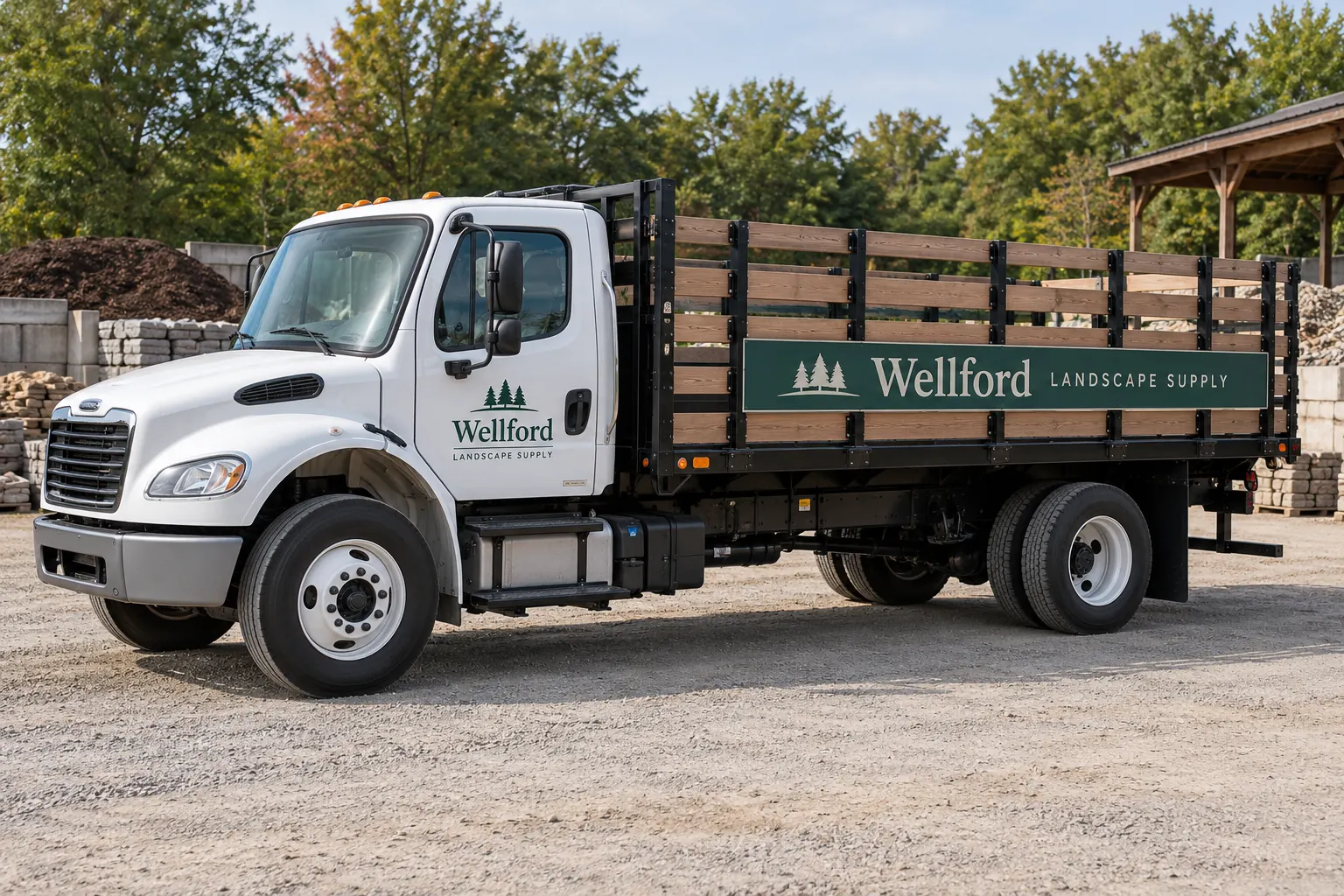
Original fictional commercial planning concept; not a completed customer installation.
Identify the cab, body and requested components
Create a unit record for the truck and describe the actual stake-body configuration. Identify any separate panels or name boards included in the request. Provide current overall photographs and close views of relevant rails, posts, latches and existing graphics. A broad chassis description does not establish the body or the components that will actually receive the work.
State whether the request concerns the cab, a defined solid area, selected side components or a coordinated program. If the operation uses more than one body version, list quantities separately. Keep uncertain component history visible. The provider needs a reliable connection between the physical areas, photographs and requested identity rather than an assumption that all stake bodies offer the same surfaces.
Decide which identity must remain with the truck
Choose the business name and contact route that should remain understandable in the actual configurations your operation uses. If components can be removed or exchanged, ask operations to identify that fact and decide which public message should remain on the fixed asset. Do not make essential identity depend on a removable section without a deliberate business decision.
For fictional Wellford Landscape Supply, the concept shows a cab identity and a solid side name area within an open slatted body. It is a planning illustration, not a measured template or proof of an approved treatment. Your actual brief should define what each requested component communicates and which configuration assumptions need review.
Document ordinary configurations through the authorized process
Ask the responsible fleet contact for suitable photographs showing the configurations relevant to the layout question. Keep equipment movement and component handling within the company’s normal authorized process. Do not ask an unfamiliar reviewer to remove sides or change a load arrangement simply to obtain an artwork image. Use actual evidence without turning the graphics brief into an operating guide.
Label each photograph with the unit and configuration. If a reference shows a different body or temporary setup, say so. Identify what can obscure the proposed message in ordinary use. The review should assess the relevant communication goal rather than assume the clean empty concept represents every delivery state or every body in the fleet.
Review solid areas and open structure separately
Identify the actual proposed graphics area and provide the relevant surface and condition information. A solid name area raises a different scope question from a series of slats or posts. Ask what can be assessed rather than assuming the whole side can be treated as one flat rectangle. Keep any proposed separate sign or panel work explicitly described as a request for review.
Have the responsible fleet contact identify information and features that must remain visible and unchanged. Do not use the artwork to invent labels or decide which equipment details can be covered. A business identity layout should follow the actual body and supplied requirements, with uncertain surfaces and component questions kept pending until the appropriate assessment occurs.
Control wording when components are exchanged
If the business exchanges side components between units, record how the approved identity and contact variants are controlled. A branch-specific panel may create a different public message when fitted elsewhere. Identify who decides whether that variation is appropriate and who updates the artwork record. Keep daily dispatch information separate from permanent brand instructions.
Use stable references for any components that need their own history. Retain the actual artwork version and current photographs. A replacement board or side section should be checked against the relevant identity and body information before reuse. Similar exterior color or nominal size does not establish that the old file and current operating assignment remain the same.
Compare scope by actual area and quantity
List the trucks and requested components with quantities, body versions and included areas. Ask how artwork adaptation, existing graphic work, condition review and installation arrangements are addressed. A concept showing a full truck does not establish that every rail, side panel or separate name board is included in the proposal.
If several options are useful, define the decision they address: cab identification, a clearer side name or a broader coordinated direction. Compare the full descriptions alongside the totals. Keep optional work and unconfirmed components visibly separate so purchasing can understand what the provider is assessing and operations can confirm which actual assets must be released.
Prepare a component-aware project handoff
Use the working record below to collect the unit and body, requested components, relevant configurations, approved message, condition evidence and decision owners. Save the text and retain the actual photographs and instructions through your normal file process. The record is a buyer’s scope aid, not a body modification guide or confirmation that a particular treatment is suitable.
For Pelican Wraps, send the actual asset list, current photographs, approved identity files, requested areas and release constraints. Identify exchangeable components and contact variations. Use the broader truck, fleet and logistics resources for the overall program while keeping this request focused on the stake body’s actual structure and the business identity it needs to carry.
Draft and Download Your Working Record
Draft your entry, then download a copy before leaving. Send any project decision through the communication process agreed with your supplier.
Frequently Asked Questions
Take the Next Step with a Clear Project Brief
Continue with the resource that matches your next decision:
Send the actual vehicle or surface photographs, quantities, approved brand files, requested coverage and timing constraints. Identify open questions so the project review can address your equipment and business needs.
