
Fleet Installation Parking and Access Brief
A fleet installation parking and access brief gives the provider current facts about the actual vehicle location and the arrangements that need agreement. It is useful when the buyer is coordinating units at a business site or preparing an arrival at another confirmed work location. The brief connects the unit, proposed work, site contact and open access questions. It supports a provider's assessment and project planning without turning an empty-looking yard photograph into a promise that the location is suitable or available.
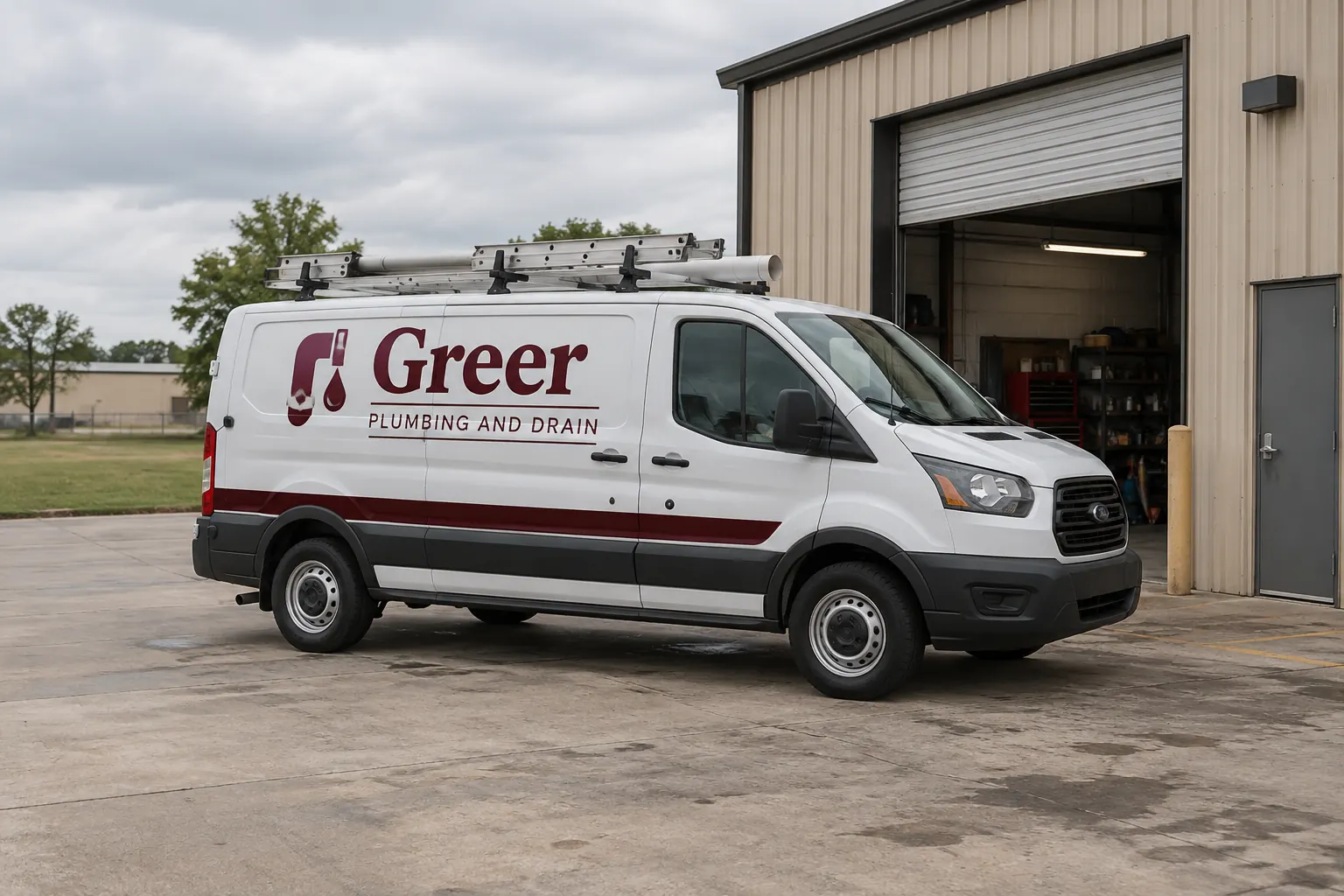
Original fictional commercial planning concept; not a completed customer installation.
Name the actual location and proposed project stage
Record the location reference used by the business and the contact responsible for current site information. Identify the actual units and graphics work under discussion. State whether the next question concerns a survey, vehicle delivery or a proposed work arrangement. These stages can need different facts, so a general instruction to come to the yard may leave the provider preparing for the wrong task.
Use the parties’ actual project process to establish where assessment or work would take place. A customer’s preferred site remains a proposal until the relevant arrangement is confirmed. Keep any alternative location identifiable. The brief should let the provider understand the actual request and ask the right follow-up questions, rather than infer the work stage from a photograph of a van beside a workshop.
Connect vehicle evidence with the site context
Supply current overall vehicle information and relevant location views through the business’s normal authorized process. Identify where the actual unit is proposed to be available and connect the views to the location reference. Show the context the provider requests for the proposed stage, with the business site contact available to clarify gaps.
Keep observations factual. For example, an illustrative note might identify yard view A and ask the provider what additional information is needed to assess the proposed vehicle position. The real brief should use actual evidence. A wide photograph is helpful context, but its appearance alone does not establish usable space, work conditions or an agreed vehicle movement arrangement. Ask the provider to identify the assessment inputs it needs.
Gather actual site instructions from their owner
Have the responsible site contact supply the current instructions relevant to the planned visit or proposed work. Identify the source and status of those instructions. Keep arrangements about arrival, authorized contacts and site coordination connected to the actual stage. Use the appropriate restricted process for sensitive operational details rather than placing them in a broadly circulated graphics summary.
If the business is a tenant or a guest at the location, identify the contact who can resolve the relevant site decision. Record missing inputs as actions. The worksheet organizes the supplied project information; it does not determine property rights, site requirements or traffic procedures. Give the provider a clear source owner so the actual arrangement can be established without the graphics coordinator guessing how the whole location operates.
Ask what the provider needs for the actual work
Describe the real unit and selected work, then ask the provider which location information and arrangements are needed for assessment. Record the actual response and affected scope. Questions about the proposed work area, conditions or other dependencies should be answered for this project by the relevant sources instead of copied from an unrelated job.
Keep equipment, utilities or other resources in the brief only where they are part of the actual provider discussion. Identify who supplies each agreed item. Avoid turning a generic checklist into an assumed installation specification. The useful result is a current list of project inputs and owners, with unresolved suitability or coordination questions visible before the parties treat the proposed location as confirmed.
Map availability and the coordinating roles
Name the business coordinator, site contact and person responsible for making the actual vehicle available. State who can answer a unit or site question during the relevant stage. Keep the provider’s actual contact and confirmation reference with the same record. A general office number can remain context while the project identifies the responsible role for the arrangement being discussed.
Record requested timing separately from confirmed availability. If the site or unit changes, identify the affected evidence and ask for the relevant review. Keep alternate arrangements and their status clear. The brief should help a colleague understand whether the selected location is still proposed, which input remains pending and who can resolve the next practical question without searching several old appointment messages.
Confirm the current arrangement and carry changes forward
Retain the actual project confirmation reference, unit list, location and selected stage together. Identify any outstanding actions that remain within the agreed process. Where an instruction changes, update its status and source so a former location or arrival message does not remain apparently active for the driver or provider.
Use the reschedule checklist when a confirmed arrangement needs changing and the driver assignment sheet for the actual vehicle movement roles. This brief retains the current location inputs and their decision trail. It should not become a second competing schedule. A readable record connects the site facts considered, the provider’s actual response and the arrangement the responsible parties have selected for the defined stage.
Prepare a location-specific graphics inquiry
Use the worksheet below for the actual location, unit and work references, context evidence, supplied site instructions, provider questions and availability owners. Retain real photographs and responses through the business’s normal project process. Keep a concept picture separate from evidence of the actual site and avoid claiming that work has been booked or completed before its current status supports that statement.
For Pelican Wraps, send the actual vehicle list, requested graphics, current views and files, proposed location and coordinating contact. Identify the site source owner and questions about the next assessment or work stage. Use the scheduling guide for the broader plan. A useful lead lets the provider discuss the real project and establish which location inputs are needed next, moving the inquiry toward a defined arrangement rather than an assumed installation visit.
Draft and Download Your Working Record
Draft your entry, then download a copy before leaving. Send any project decision through the communication process agreed with your supplier.
Frequently Asked Questions
Take the Next Step with a Clear Project Brief
Continue with the resource that matches your next decision:
- Fleet Wrap Installation Scheduling Guide
- Fleet Installation Driver Assignment Sheet
- Fleet Graphics Installation Reschedule Checklist
- Request a Quote
Send the actual vehicle or surface photographs, quantities, approved brand files, requested coverage and timing constraints. Identify open questions so the project review can address your equipment and business needs.
