
Business Vehicle Lettering & Decals
Vehicle lettering and decals keep the commercial message focused: who the business is, what it does and how to make contact. Pelican Wraps plans names, logos and approved details around the paint and panels already on your equipment. This is a practical route for a single work truck, a service fleet or a controlled update to existing vehicle information.
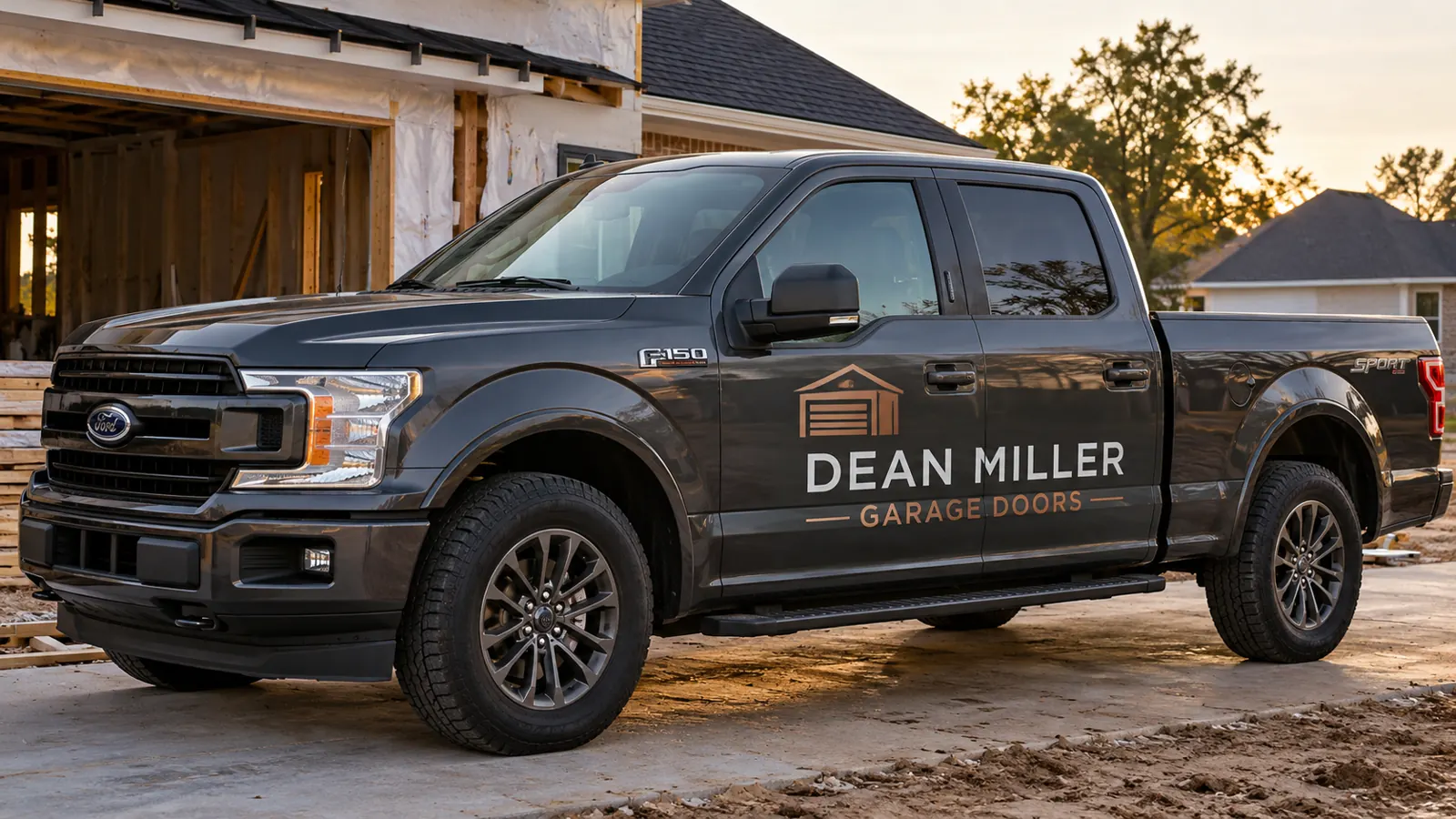
Fictional commercial wrap design concept; not a completed customer installation.
Choose a clear message before choosing letter size
Start with the approved company name and the service customers should recognize. Add the preferred contact route, then decide whether other details are useful enough to include. The brief should establish that order. A vehicle door has limited attention as well as limited space; a long directory of equal-size services can make the main offer difficult to find.
Review the wording as someone unfamiliar with the business would see it. A distinctive company name may need a plain trade description. Check spelling, punctuation and the exact phone number or web address before artwork approval. If different branches or vehicle roles need different details, provide a written assignment list rather than asking the designer to infer them.
Use the original paint as the background
Lettering relies on the finish around it to provide contrast and a coherent appearance. Supply current photographs showing the actual paint, door shapes and existing graphics. Tell the shop about different fleet colors or replacement panels. A design approved for a white van may need another treatment on a dark pickup, even when the underlying logo remains unchanged.
Decide where the identity should appear on the cab, body sides and rear. Check whether handles, wheel arches, sliding tracks or equipment interrupt that area. If the desired message needs a larger printed background to remain clear, compare partial wraps. The best option is the one that fits the vehicle and the communication task.
Separate logos, printed decals and lettering in the scope
A request for decals can describe several different production items. A simple company name, a detailed logo, a printed image and a set of variable unit identifiers should be listed individually when they are part of the project. Provide the available brand assets and explain which details need design work or recreation.
Ask the proposal to identify the graphics being supplied, their approximate placement, quantities and installation responsibilities. The artwork review should establish the production approach for the actual design instead of assuming every logo can be handled identically. Keep approved colors and proportions with the file set so later orders can begin from a known reference. A small job still benefits from a clear specification.
Review small details at a useful viewing scale
Fine lines, dense service lists and small secondary text can look attractive in a large digital proof while contributing little on a working vehicle. Review the layout at a size that helps the business judge the information hierarchy. Ask which elements are intended to be read quickly and which only at close range.
Check the rear layout independently from the door design. Door gaps and hardware may split important wording or change the available area. Review both sides, rather than assuming a mirrored file will place every element correctly. When a logo has required clear space or a controlled version for small uses, include those brand rules in the brief before the layout is finalized.
Control variable fleet information
Unit identifiers, division names and contact details need an assignment record. Create a row for each vehicle with its year, body configuration, approved wording and graphics revision. Check the final proof against that list before production. A driver’s recollection or a photograph of a similar truck should not become the authority for a fleet identifier.
If required operating or regulatory information is involved, provide the approved specification and responsible contact separately from decorative branding. The graphics scope should make that distinction visible. For repeat additions, use fleet graphics management to retain current files and vehicle assignments. This prevents a simple repeat order from reproducing outdated information across another group of units.
Plan installation, updates and removal deliberately
Describe existing graphics, surface damage and previous paint work before new lettering is quoted. Confirm whether removal, cleaning and preparation are included. Replacing a phone number can affect spacing and the appearance of the surrounding finish, so provide a photograph rather than assuming a new detail can be placed directly over the old one.
Tell the project contact which vehicles can be released and whether the owner has requirements for leased equipment. Retain the installed revision and completion photographs. When the business changes its identity, consider the entire vehicle and fleet rather than allowing isolated patches to leave conflicting names or numbers. The rebranding service helps organize that broader change.
Send a lettering request that can be quoted accurately
Include the vehicle details, quantity, clear photographs, preferred locations and approved wording. Attach the best logo files available and identify anything that still needs to be developed. State whether you need design, production and installation or want a different supply arrangement reviewed. Include timing, old-graphic details and any owner-specific constraints.
Request business lettering or fleet decals through the project form. Pelican Wraps is based in Harvey; confirm the appointment and equipment-access plan before traveling. If you are comparing lettering with larger coverage, use the coverage guide and ask for defined alternatives on the same vehicle.
Frequently Asked Questions
Turn Your Vehicle Details Into a Clear Project Brief
Send current photographs, vehicle quantities, logo files, coverage preferences and timing. Identify old graphics and paint concerns so the project review can address the actual equipment.
Explore planning resources or request your commercial wrap quote.
