
Partial Commercial Vehicle Wraps
A partial wrap uses selected printed areas and the vehicle’s existing finish as one deliberate design. It can give a business a strong visual identity without specifying full-body coverage. Pelican Wraps plans partial commercial graphics around the actual paint color, useful panels, working hardware and message customers need to recognize.
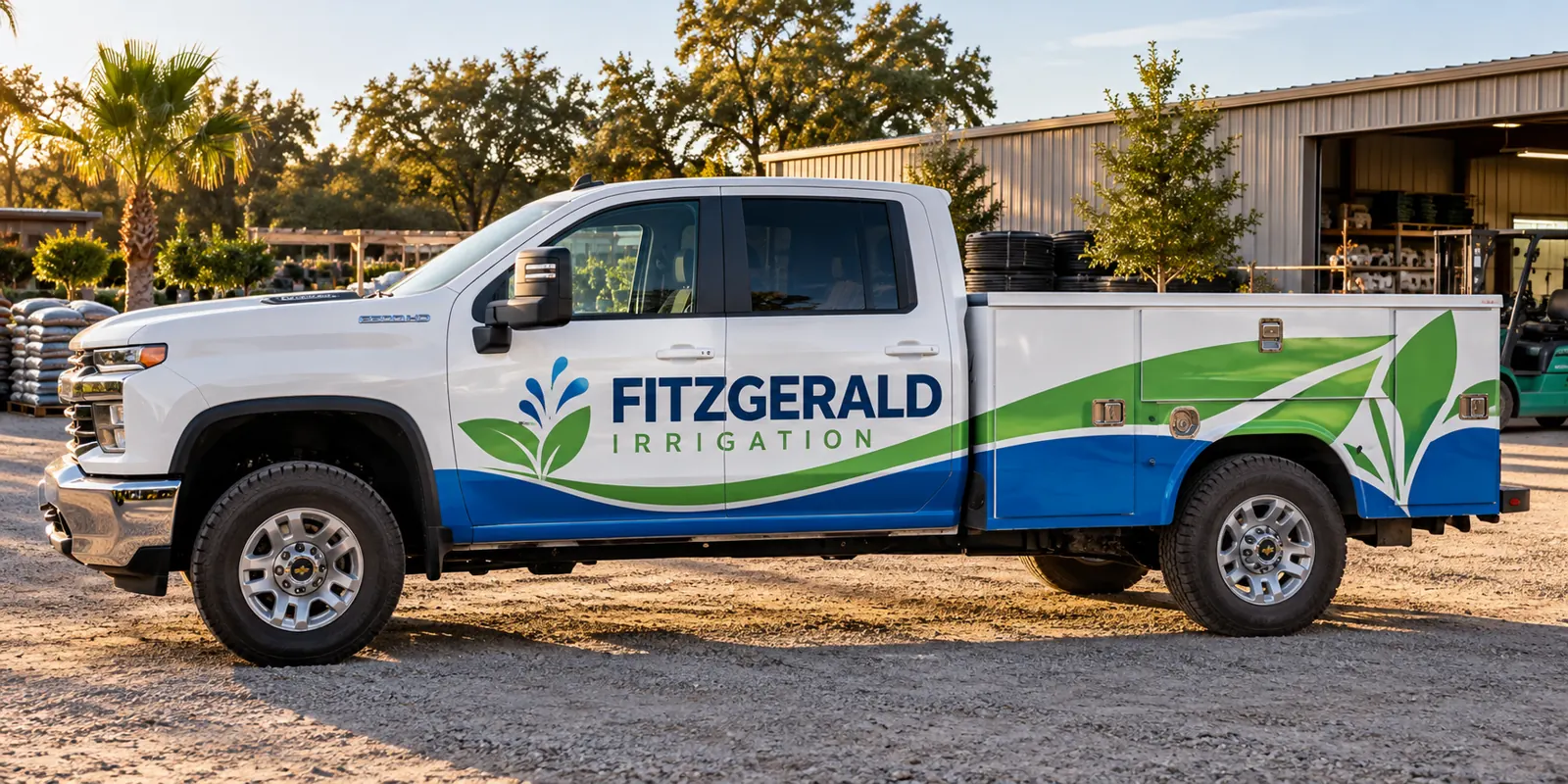
Fictional commercial wrap design concept; not a completed customer installation.
Make the original paint part of the design
Begin with the vehicle color and the condition of the visible finish. Decide whether that paint supports the brand palette or would compete with it. A partial design works best when the printed areas and uncovered body look intentional together. White, dark and strongly colored vehicles may need different adaptations of the same identity.
Photograph the actual equipment in ordinary light so the design discussion begins with a useful reference. Tell the shop if units have different paint colors or replacement panels. If the business needs the original color substantially concealed, compare the partial option with a full commercial wrap. The amount of visible paint should be a deliberate approval decision.
Choose useful panels rather than a vague percentage
Define the printed areas by surface: selected door sections, body sides, rear doors or other agreed panels. A percentage alone can be misleading on different bodies. Two vehicles with similar overall dimensions may offer very different space around handles, wheel arches, service compartments and equipment. Ask to see the coverage boundary on the actual layout.
Consider the most useful views for the operation. A contractor’s parked truck may present a different opportunity from a delivery van seen in traffic. Do not spend the entire design budget on a side view while leaving an important rear message unresolved. The proposal should identify what is printed, what remains original and which details are excluded from the scope.
Give the name, trade and response route clear roles
A partial wrap has to use its available area carefully. Establish the business identity first, add an accurate service description and choose the contact route you want viewers to use. Make extra service lists, slogans and promotional details justify the space they occupy. A smaller but clear message can be more useful than several competing statements.
Review the lettering against both the printed background and the uncovered paint. Check whether a logo crosses a coverage boundary, a door gap or a working handle. Keep the important information readable in each view. If a simple name and contact layout is all the vehicle needs, compare lettering and decals as a separate option.
Understand what a partial scope does and does not change
Uncovered panels remain visible, so identify dents, paint variation, old adhesive residue and previous repairs during the initial review. A new printed section does not make the rest of the vehicle appear newly refinished. If old graphics are present, discuss removal and the possible condition of the exposed areas before approving the new boundary.
Keep preparation, existing-film removal and the new graphics application as distinct scope items. Ask which surface checks are needed before production. The materials and specification guide explains useful questions for the proposed system. Select the material for the body and intended use, and retain the actual supplied care instructions and written terms.
Compare proposals with the same coverage drawing
To compare a partial wrap fairly, use the same vehicle, surfaces and approved message. Identify design development, logo preparation, printed panels, material system and installation. A lower total may include fewer surfaces or a simpler adaptation. Clarify those differences before deciding that two quotes describe the same result.
Explain whether the project is one vehicle or the first of several. A design that depends on a particular body color may need another approach for future units. Ask how the visual system will adapt and how approved files will be retained. Use the coverage comparison guide to organize the purchasing decision without treating a package name as a complete specification.
Keep later additions and repairs consistent
For a fleet, record the unit, body color, layout revision and included printed areas. Keep photographs showing where the graphic ends against the original paint. Those details help a future addition or repair begin from the installed standard. A similar model still needs a check for hardware and panel differences.
If a contact number changes, identify every panel and unit carrying it. If damage affects the printed section and neighboring paint, separate the body repair from the graphics replacement. A partial wrap can be a flexible system when the records are controlled. Explore fleet graphics management for ongoing work rather than allowing each order to become an unrelated interpretation.
Build a partial-wrap brief around the actual vehicle
Send current photographs, vehicle details, quantity, approved logo and wording, paint colors and the main service customers should remember. State the panels you are considering and whether you would like a coverage recommendation. Include old-graphic condition, finish concerns and timing. For a mixed fleet, identify which colors and body types need separate review.
Request a partial commercial wrap review to compare a defined option. Confirm the inspection and vehicle-release arrangements for the Harvey shop before making a trip. The next useful stage is a proposal and a coverage proof that the business can approve, with clear preparation responsibilities and a realistic installation sequence.
Frequently Asked Questions
Turn Your Vehicle Details Into a Clear Project Brief
Send current photographs, vehicle quantities, logo files, coverage preferences and timing. Identify old graphics and paint concerns so the project review can address the actual equipment.
Explore planning resources or request your commercial wrap quote.
