
Color-Change Wraps: Define the Finish, Coverage and Vehicle Condition
A color-change enquiry begins with the actual vehicle, desired appearance and included surfaces. Compare the named finish and scope with physical references and a condition review, then confirm the work and care requirements for the selected system.
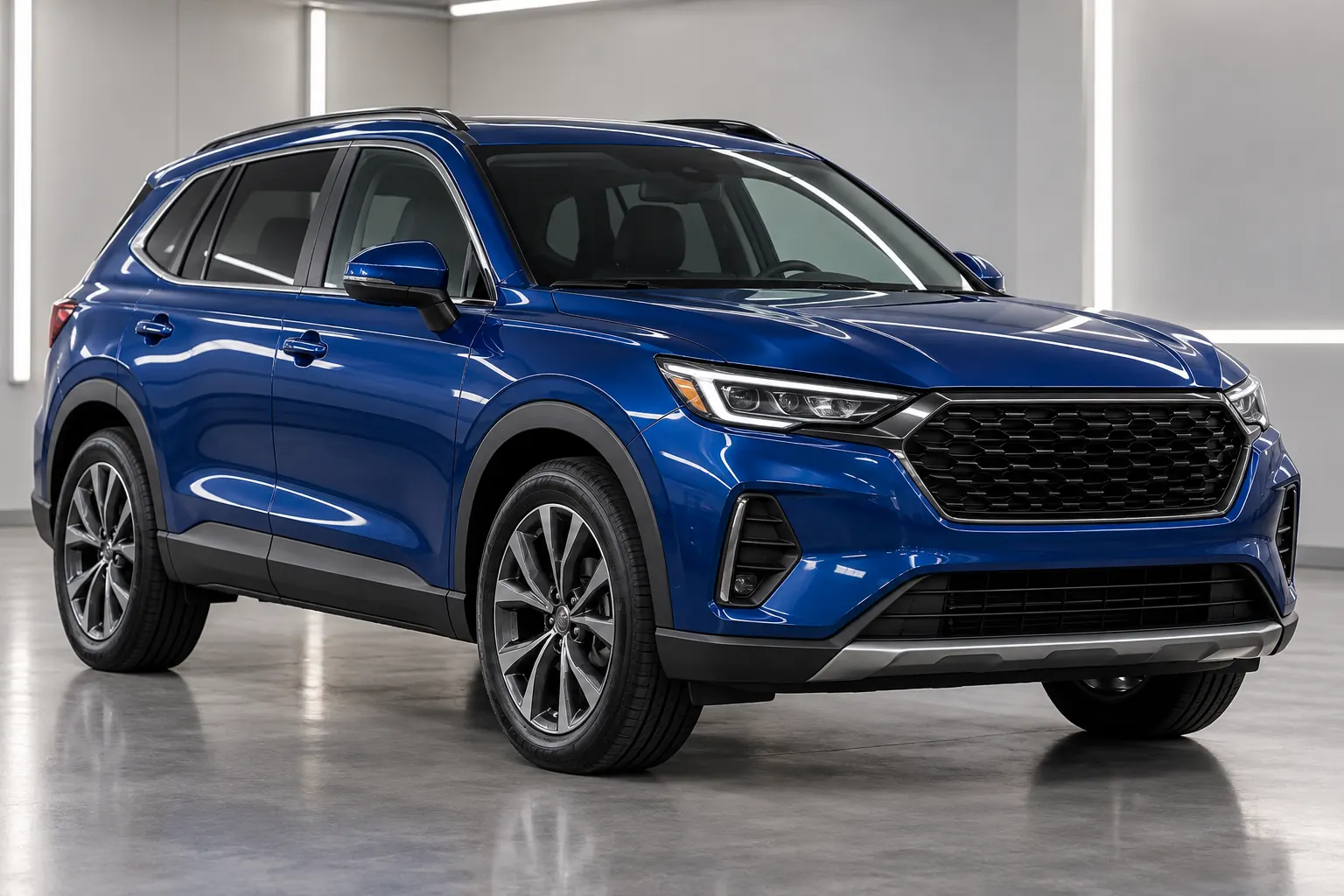
Illustrative color-change concept; not a customer photograph, product sample or guaranteed finish.
Decide whether the goal is a finish change or commercial identity
Describe the intended appearance and the vehicle receiving the work. A color-change project concerns the exterior finish direction, while a printed commercial identity also carries approved business messaging and design. Explain whether you need one purpose or a combined scope so the conversation begins with the actual request.
For commercial messaging, explore vehicle graphics and coverage options. The blue SUV here is an original illustrative concept, not a product swatch or a completed customer photograph. It does not establish that a particular finish is available, suitable for the vehicle or identical to its appearance on a screen.
Review the named finish through an appropriate physical reference
Bring the preferred color and finish direction and ask for the actual product reference under discussion. Compare a physical sample where available and consider the relevant lighting and body shape. A digital image can communicate taste but should not be treated as a measured guarantee of the supplied material appearance.
Keep gloss, matte, satin, metallic and other descriptions connected to the actual named product rather than assume every manufacturer uses the same appearance or construction. Retain the selected reference in the accepted scope. If the choice changes, review any affected product and application assumptions before production rather than treat the new screen color as the only difference between alternatives.
Define what color-change coverage actually includes
List the intended exterior panels and clarify edges, trims, handles, mirrors and other detail areas that matter to the request. Ask which surfaces are included, excluded or need further review. Do not assume a general full-vehicle label independently includes every visible edge, recess or door-opening surface.
Provide overall and close photographs of the actual configuration and any fitted equipment. Keep relevant sensors, lighting, warnings and other protected areas identified through the responsible vehicle and technical review. The proposal should describe the actual boundaries and responsibilities. A smooth-looking concept image cannot establish how every joint or accessory will be handled on a different vehicle.
Disclose paint, repair and previous-treatment history
Photograph visible coating concerns, repairs, existing film and other areas that need review. Provide known paint and treatment information and mark gaps in history. Color-change film is not bodywork or paint repair, and a new appearance should not conceal the questions that determine whether the actual substrate is suitable.
The 3M color-change application bulletin for Series 2080 includes a pre-installation inspection record and discusses unsound paint. It is product-specific guidance, not approval for every film or vehicle. Use paint-readiness planning to organize your evidence and retain the actual selected-system review in the project scope.
Ask the quotation to explain the work behind the appearance
Describe the vehicle, desired finish, intended panels, starting condition and known old graphics. Ask the response to identify the actual system and distinguish relevant removal, preparation, installation and detail work. Keep inspection dependencies and exclusions visible alongside any amount so the buyer understands what the proposed finish includes.
Use cost-scope planning for the general purchasing questions, without assuming printed fleet work and a color-change project have identical tasks. This page does not invent a rate, product stock position or universal installation duration. The actual vehicle and accepted work determine what can be confirmed through the project review.
Confirm vehicle availability and the actual care handoff
Identify when the vehicle could be available and who controls transport and access. Ask for the actual schedule after the relevant scope and readiness questions are resolved. A color choice or enquiry does not reserve capacity. Keep accepted finish and coverage connected to the current approval version.
Request maintenance guidance and any applicable written terms for the actual supplied system. Do not assume one cleaning method, lifespan or warranty applies to every finish and application. Record who receives the handoff and how condition concerns should be reported. Technical application methods belong with the responsible selected-product process rather than a generic customer heating or cutting recipe.
Keep the installed record for later changes or removal questions
Retain the selected product and finish reference, accepted coverage, relevant condition record and installed photographs. When damage, a vehicle change or removal is considered, provide current evidence as well as the original files. An older digital color reference does not establish current condition, replacement appearance or the underlying paint state.
To begin, send the color-change enquiry with vehicle details, photographs, preferred finish, intended coverage and timing. For removal questions, use removal planning. The next step should define a real scope and review the actual vehicle without promising paint restoration, a particular resale outcome, an invisible repair or a guaranteed material life.
Frequently Asked Questions
Turn Your Vehicle Details Into a Clear Project Brief
Send current photographs, vehicle quantities, logo files, coverage preferences and timing. Identify old graphics and paint concerns so the project review can address the actual equipment.
Explore planning resources or request your commercial wrap quote.
