
Fleet Graphics Multilingual Copy Approval
Fleet graphics multilingual copy approval needs a record for the exact wording, its language version, reviewer and artwork placement. A broad language brief chooses the audience and approach; this record controls the phrases that reach the proof. Give each message a stable reference, preserve the approved characters and route proposed wording changes back to the responsible reviewer. The checklist does not translate copy or certify language accuracy.
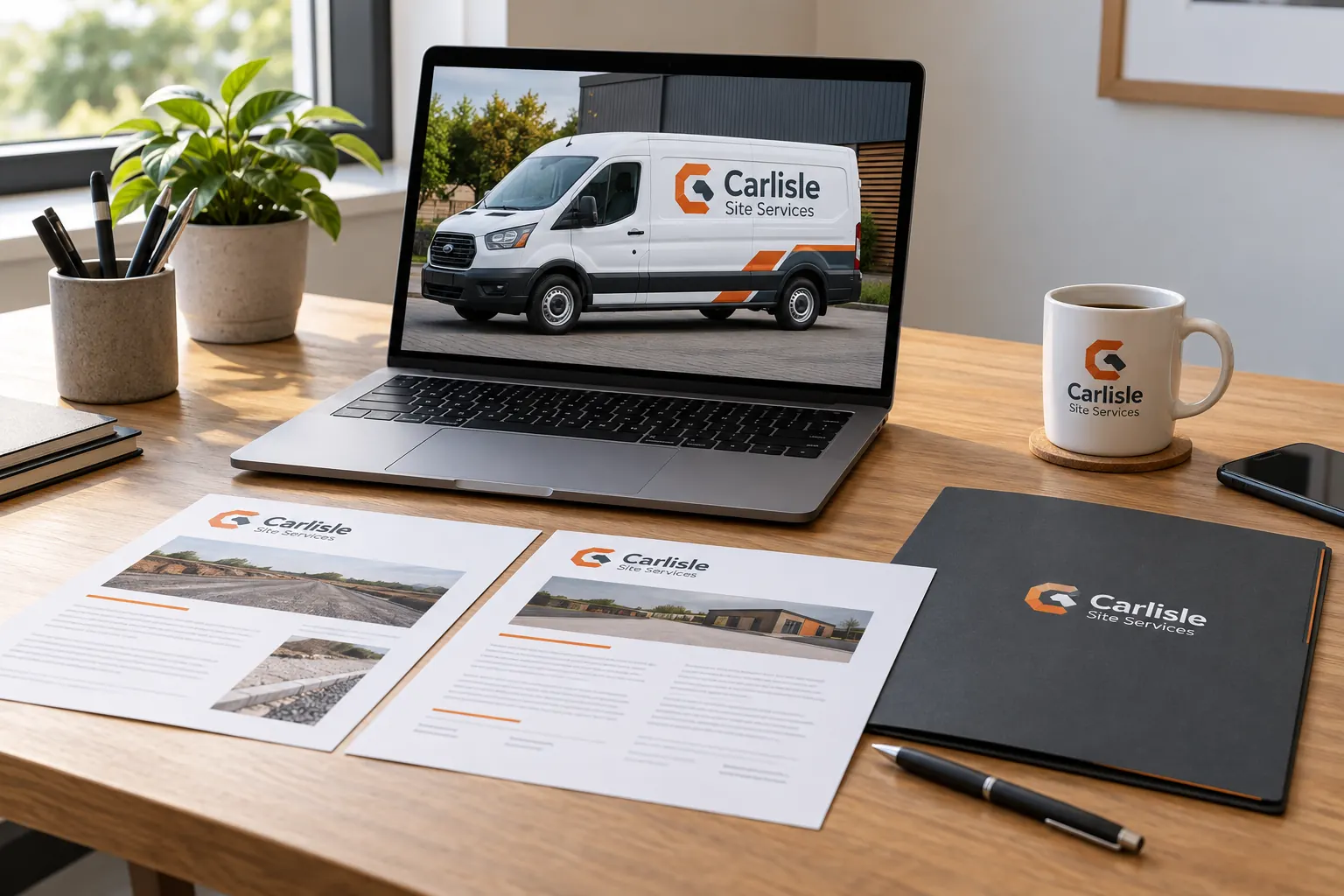
Original fictional commercial planning concept; not a completed customer installation.
Create a phrase inventory before the proof review
List each public message that needs an approved language version: a service descriptor, contact instruction or another actual text element. Give the phrase a stable identifier and record its purpose. Keep the company identity under its approved brand policy rather than assuming every name or mark should be translated. The inventory should make the intended meaning findable.
Use a simple pattern such as COPY-A for a service line and COPY-B for the next-action instruction, with separate language-version references beneath them. The pattern is an administrative example, not a translation standard. It helps another buyer see that two different text blocks serve different purposes instead of treating a page of translated lines as interchangeable material for any available panel.
Record the approved source and language version
Have the business approve the source meaning and exact public wording before marking a translation current. Identify the person supplying each language version and the actual text reference. Preserve characters, names and any punctuation the reviewer has selected. Do not retype a phrase from a small screenshot when the approved text source can be supplied directly.
For fictional Carlisle Site Services, the record might identify a service descriptor and a separate contact instruction in two business-selected languages. The concept image does not provide verified translated copy. Your inventory should retain the actual approved sources and reviewers so the designer can place known content rather than infer a translation from the visual theme or a previous vehicle.
Assign a competent wording reviewer and decision owner
Identify who can assess each language version in the actual business context and who can authorize its public use. Use the company’s chosen review process and record the decision date. A colleague supplying a phrase can be a source without necessarily being the final approver. Keep those roles distinct where they differ.
If reviewers disagree, record the specific phrase and question and route it to the responsible business decision owner. Do not let the designer choose the shortest alternative simply because it fits a panel. Keep the wording pending until the relevant decision is supplied. The approval record should preserve meaning and accountability without pretending that a completed form establishes language competence or resolves every disagreement.
Connect the exact phrase to the actual proof location
Record where each approved phrase appears: side, rear or another defined view and body version. Compare the actual proof with the controlled text source. Check every occurrence rather than assuming a correct side line establishes that the rear uses the same current wording. A copied older text block can reintroduce a retired version even when the overall identity looks consistent.
Keep character accuracy and layout visibility distinguishable. The wording can be correct while a door division or hardware interrupts it; a neat composition can still contain a changed accent or an unapproved word. Route each observation to the appropriate source or layout reviewer and record the exact proof version associated with the decision.
Return shortened copy to the approval route
If the layout review identifies a fit problem, describe the actual phrase, location and concern. Ask for a revised wording decision or layout response through the relevant process. Do not abbreviate or remove words without updating the approved language source. A shorter line should not enter production while the file index still points to different text.
Record the new phrase reference, reason and approver when a change is accepted. Identify which vehicle groups and views use it. Keep retired wording as labeled history where required. This prevents a later fleet addition from selecting an attractive but obsolete version simply because several language files appear together in the archive.
Check contact meaning against the actual business route
Have operations confirm that the approved invitation and contact destination reflect the inquiry process the business supports. Record whether all language versions use one destination or deliberate approved variations. Keep the exact public details under their current source owner. Do not infer a support arrangement solely because a phrase has been translated.
When service wording or routing changes, identify affected phrase IDs and artwork versions. Review the relevant language copy and placement again rather than editing only one convenient file. The record should connect the content change to the actual fleet assets without turning a temporary driver assignment or branch preference into an uncontrolled new language version.
Save a phrase-level approval handoff
Use the working record below to collect message IDs, approved source and language text references, reviewers, proof locations, decisions and change ownership. Save the text and retain actual copy files through the company’s normal process. It is an approval-tracking record, not an automatic translation service or a certificate that the message has been checked by a particular qualified reviewer.
For Pelican Wraps, provide the current approved wording and language index with identity files, vehicle photographs and requested coverage. Identify pending phrases and the contact who can resolve them. Use the multilingual delivery brief for audience and planning decisions and the artwork service for the production discussion. This record helps keep the exact copy controlled between those stages.
Draft and Download Your Working Record
Draft your entry, then download a copy before leaving. Send any project decision through the communication process agreed with your supplier.
Frequently Asked Questions
Take the Next Step with a Clear Project Brief
Continue with the resource that matches your next decision:
- Delivery Vehicle Language and Audience Planning Brief
- Artwork Guidelines
- Fleet Wrap Design Standards
- Fleet Brand File Handoff Checklist
- Request a Quote
Send the actual vehicle or surface photographs, quantities, approved brand files, requested coverage and timing constraints. Identify open questions so the project review can address your equipment and business needs.
