
Fleet Distributor Brand Permission Checklist
A distributor’s vehicle may show its own identity alongside an equipment or product brand. Before artwork begins, organize the actual supplied decision about that secondary identity, its assets and its proposed use. This checklist is for the distributor’s approval handoff, especially when more than one product line is involved. It records evidence and questions; it does not establish trademark permission or interpret a distribution agreement.
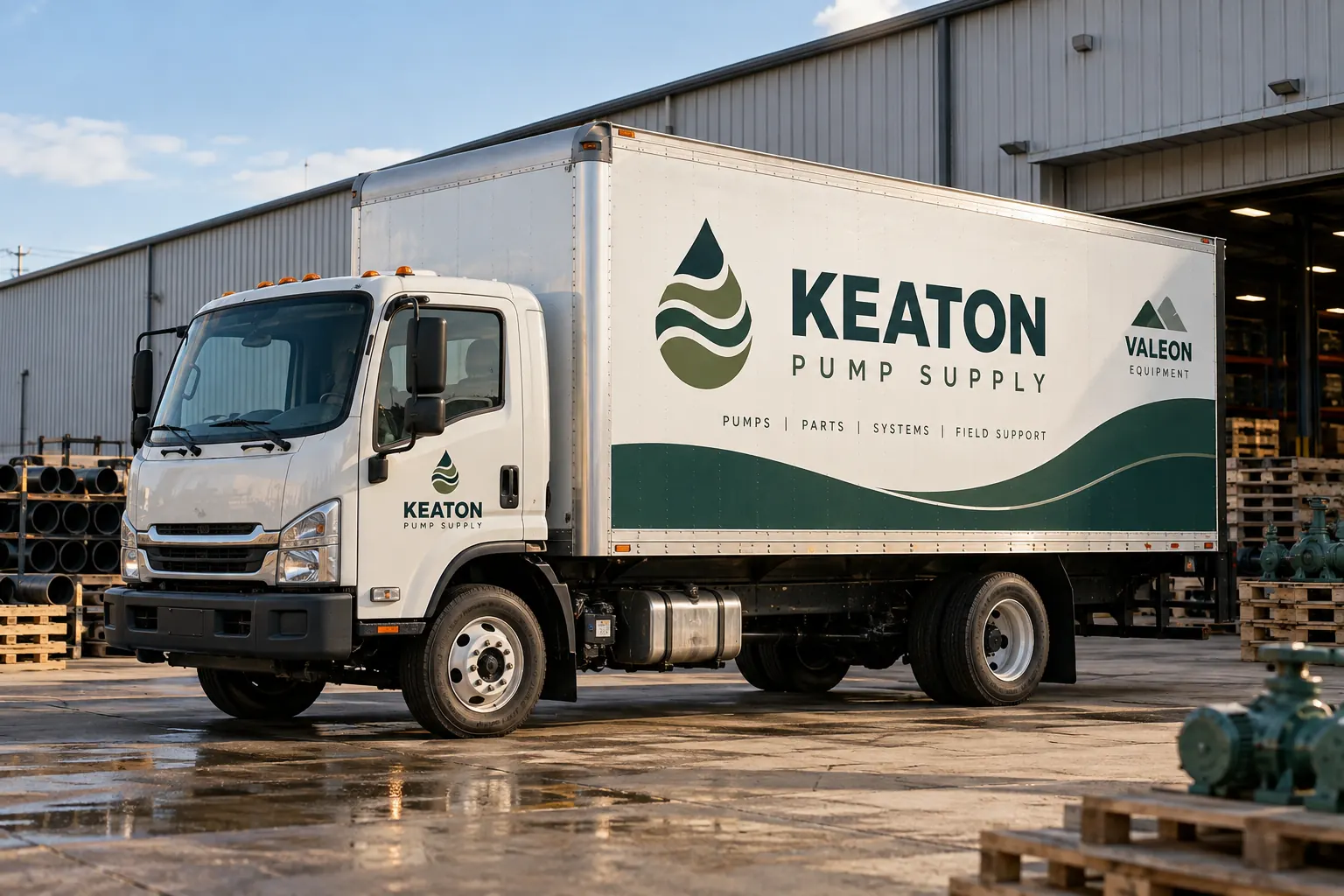
Original fictional commercial planning concept; not a completed customer installation.
List the proposed external brands separately
Name the distributor’s primary identity and each external brand proposed for the vehicle. Record why the secondary mark is requested and the exact public relationship wording, if any. Keep one row per external identity. A file bundle containing several manufacturer logos does not explain which should appear, which products the business currently represents or what claims may accompany them.
Identify the actual vehicle group and proposed views for each requested use. If the business only wants a brand discussed as an option, label it as proposed. Do not let every asset in the folder become an assumed design requirement. The starting list should distinguish the distributor’s own message from external identities whose use still needs a source and a responsible decision.
Obtain the actual decision source through the business channel
Ask the distributor’s responsible contact to obtain and retain the relevant brand-use instruction or decision from the appropriate source. Record its date or version, contact and described scope. Keep the underlying source accessible through the normal business process. Questions about authority or agreement terms belong with the responsible parties.
Avoid treating possession of a logo, an old brochure or a photograph of another dealer’s truck as sufficient evidence for the current request. Those items may help identify the intended brand without establishing the supplied decision for these vehicles. If the source is incomplete, state the exact missing question and owner instead of describing the whole job as approved because the secondary mark is familiar.
Keep relationship claims tied to exact approved copy
Record the exact proposed phrase next to the external identity and identify who confirms it. A designer should not add a phrase such as authorized dealer because it seems to explain the logo. If no relationship wording has been supplied, ask the business owner what should appear rather than inventing a stronger claim to make the layout persuasive.
The Keaton Pump Supply and Valeon Equipment concept illustrates a distributor identity with a smaller fictional equipment mark. It is not evidence of an actual dealership or endorsement. In the real record, link every relevant public phrase to its current source. This makes copy review specific and prevents a later proof revision from adding an unconfirmed relationship statement as a decorative tagline.
Control the secondary assets and usage instructions
Obtain the current logo files and actual supplied usage guidance for each external identity. Keep filenames, source and version identifiable. Ask how the assets should be provided to the graphics supplier through the authorized project process. Do not assume that all downloadable marketing assets are interchangeable or that a low-resolution image is the intended production source.
Record conflicts between the distributor’s preferred treatment and the supplied brand instructions as questions for the responsible contacts. Keep any actual placement or wording conditions attached to the relevant identity. The supplier should receive a coherent set of current sources instead of several external logos with different undocumented expectations about size, color or proximity to the primary business name.
Review the proof brand by brand
Use one current proof version and identify each secondary mark, its public wording and proposed views. Ask the relevant reviewer to confirm the item they own. Consolidate comments for the designer. If one brand remains unresolved, show its status separately instead of allowing another brand’s response to imply approval of the entire set.
Check that the distributor’s primary identity and customer action remain understandable. Multiple equipment marks can compete with the business message, so state the intended hierarchy in the brief. The provider can propose a layout against the actual vehicle references and supplied instructions. Appearance review does not replace the business’s responsibility for the current relationship claims and decision sources.
Plan for product-line and relationship changes
Name the person who will report a changed product line, retired external mark or revised relationship wording. Keep an index of affected vehicles and current artwork references. This allows a future replacement inquiry to check whether a secondary identity remains intended before reusing an archived file.
Record an actual change as a new action with a current decision source. Do not erase the historical reason a mark appeared, but separate retired instructions from the active request. If the business wants a limited-duration collaboration rather than an ongoing distributor message, use the temporary partnership plan for the end-state. This checklist focuses on external brand evidence and copy control for the present distributor request.
Prepare the distributor graphics handoff
Send Pelican Wraps actual vehicle photographs, the unit list, primary distributor files, selected external asset sources, exact public wording and the relevant supplied decision references. Identify unresolved marks and a coordinating contact. State the requested areas, treatment and timing, then ask what further information or assessment is needed for the proposed project.
Use fleet graphics for the commercial scope and artwork services for file and proof questions. Keep the completed local record with the current proof and the business’s actual source references. A useful handoff allows the provider to assess a clearly described request while the distributor and external brand owners settle their own authority, agreement and public-claim questions through the appropriate process.
Draft and Download Your Working Record
Draft your entry, then download a copy before leaving. Send any project decision through the communication process agreed with your supplier.
Frequently Asked Questions
Take the Next Step with a Clear Project Brief
Continue with the resource that matches your next decision:
Send the actual vehicle or surface photographs, quantities, approved brand files, requested coverage and timing constraints. Identify open questions so the project review can address your equipment and business needs.
