
Storefront Window Graphics Survey Checklist
A useful storefront graphics inquiry connects the proposed message to identifiable panes, current photographs and the actual information available about the glass. This checklist organizes that buyer evidence before a provider assesses the project. It is not a technical glazing survey or an installation specification. Use the local working record to expose missing facts, assign their sources and give Pelican Wraps a coherent starting package rather than a collection of unlabeled window pictures.
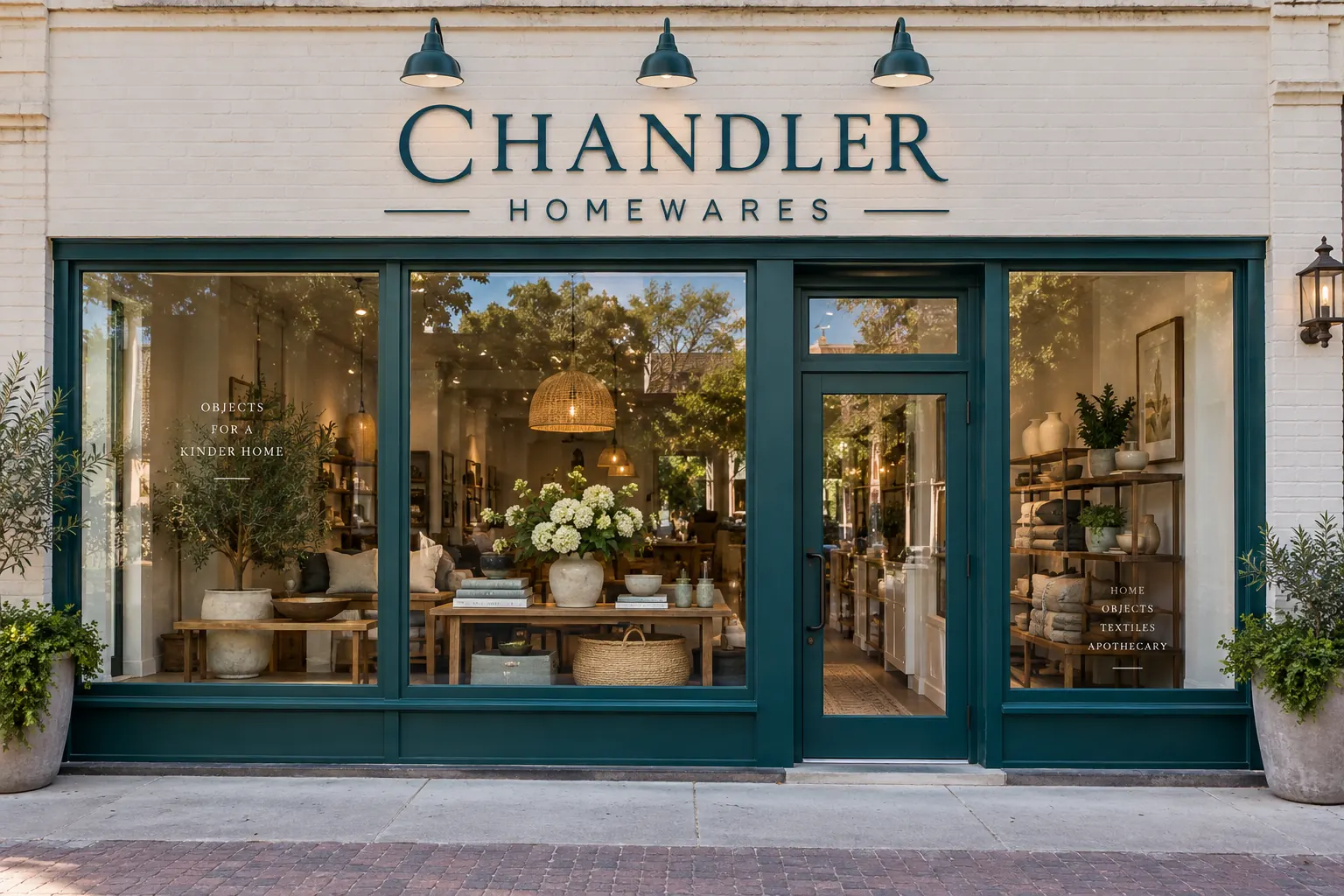
Original fictional commercial planning concept; not a completed customer installation.
Give every proposed area a plain reference
Identify the premises through the normal project channel and name the requested areas in ordinary language: left display window, entry door or right display window. Use those references consistently in photographs, notes and the proposed scope. Distinguish the tenant’s frontage from adjacent areas without assuming that a photograph establishes property authority.
Record what the business wants each area to do. A display pane may support identity or a campaign while the door carries a concise customer instruction. Keep a proposed area list separate from an assessed final specification. If the storefront is changing during a fit-out, identify the current configuration and the person who will supply the updated reference before dependent artwork decisions are treated as settled.
Collect a readable set of current photographs
Provide an overall outside view showing the requested frontage and surrounding context, then useful closer views of each named area. Include doors, frames, handles, existing graphics and features relevant to the request. Add an inside view where it helps explain the proposed message or sightline. Keep original images available and use a separate annotated copy when labels are helpful.
Avoid a tight crop that removes the relationship between panes or hides a nearby door. Give the files references that match the area list and record when the views were taken. The Chandler Homewares concept illustrates an identifiable frontage, not measured premises evidence. Your actual photographs should let the provider understand which real areas are requested and which questions require further information or assessment.
Find the actual glazing and surface information
Ask the responsible premises or property contact for available glazing records, surface information and relevant supplied instructions. Record the source and what remains unknown. Do not identify the glass solely by how clear or reflective it looks in a photograph. Existing treatments, changing fit-out information and previous graphics history should be described through their actual sources.
Keep documents connected to the named areas where that relationship is known. A record for one pane should not silently be applied to every opening. Ask the provider what further information is needed for the proposed product and coverage. This checklist helps locate facts; it should not select a material or conclude that the actual glazing is suitable before the relevant project review.
Record dimensions with their source and status
Include dimensions already supplied for the project and identify who provided them, which area they describe and the units used. Label estimates and provisional drawings accurately. A useful measurement note explains whether the figure concerns a whole opening, visible glass or another described reference; a number without context can create a false impression of precision.
Ask the provider what measurements or survey are needed for the actual scope. Do not turn buyer reference dimensions into a production instruction by removing their status label. If construction changes an opening, identify the affected references and request the relevant update. The record should preserve the difference between information available for discussion and dimensions the responsible project process will use for the work.
Describe existing graphics and requested changes
List the visible existing graphics by area and explain what the business wants to retain, change or have assessed. Supply available history without guessing the product or removal method. Current photographs and actual records help the provider ask a more specific question than a broad instruction to replace the windows.
Identify public information or other items the responsible premises contact says must be preserved, and retain that instruction source. Keep property, business-copy and surface questions distinguishable. The survey package should explain the request rather than decide permission, legal requirements or technical treatment. If an existing feature’s status is unclear, assign the question to its owner and show how it affects the proposed area list.
Make access and project readiness understandable
Describe the actual access arrangements and relevant trading, fit-out or availability constraints through the coordinating contact. Record what is requested and what has been confirmed. A desired opening or campaign date should not be the only readiness information in the inquiry. Identify the people who supply content, property instructions and site coordination.
If the premises configuration is still changing, state what can be supplied now and which references will be updated. Ask what the provider can assess at the current stage. Keep unknowns visible rather than marking the whole package complete because the business wants a quick quote. A clear partial package with named actions is easier to progress than a confident-looking brief built from unverified assumptions.
Send one indexed storefront evidence package
Prepare a short cover note linking the area list, photograph references, supplied glazing information, dimension status, existing graphics and project contacts. Include current approved identity files and the intended customer message. Use the working record below to keep missing facts and their owners in the same handoff.
For Pelican Wraps, explain whether you want initial assessment, a defined coverage option or review of a proposed replacement. Send the actual evidence through the project channel and ask what additional information or survey is needed. Use the window graphics and storefront services for the commercial discussion. The useful result is a package in which every proposed area has a findable reference and every important uncertainty has a next action.
Draft and Download Your Working Record
Draft your entry, then download a copy before leaving. Send any project decision through the communication process agreed with your supplier.
Frequently Asked Questions
Take the Next Step with a Clear Project Brief
Continue with the resource that matches your next decision:
Send the actual vehicle or surface photographs, quantities, approved brand files, requested coverage and timing constraints. Identify open questions so the project review can address your equipment and business needs.
