
Fleet Vehicle Coating Disclosure for Graphics
A fleet vehicle coating disclosure records what the business actually knows about the proposed graphics surface and where that information came from. It is useful before a new treatment or replacement is assessed, especially when coating, paint or previous surface work is part of the unit's history. The output is a unit-area history brief with product references, dates where known and open questions. It supports provider assessment without diagnosing a coating from a glossy photograph or assuming that an unknown finish is an approved graphics surface.
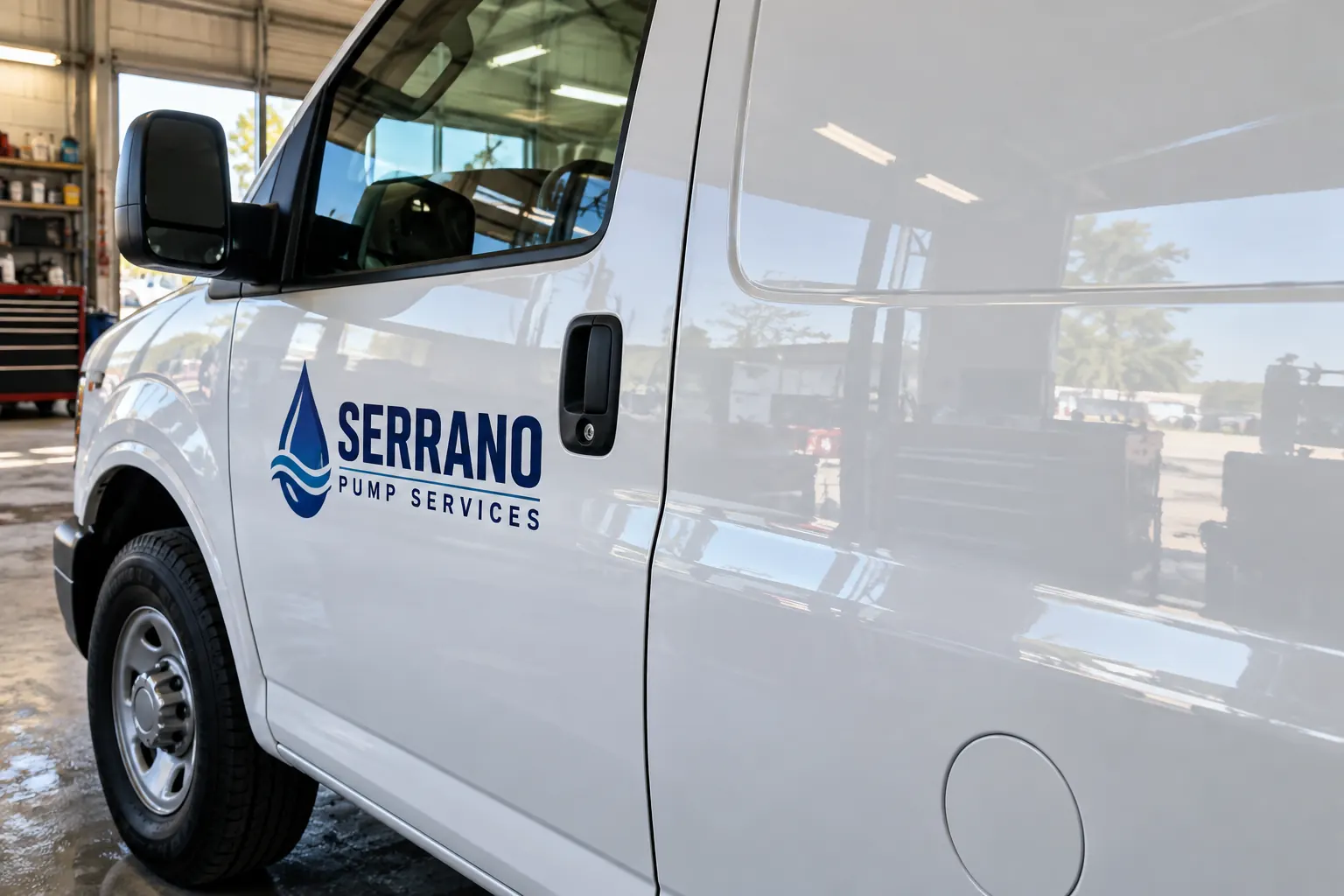
Original fictional commercial planning concept; not a completed customer installation.
Identify the actual unit and proposed graphics areas
Record the fleet identifier, vehicle description and current project question. Map the actual areas proposed for graphics to current overall and closer views. Keep different panels or physical parts distinguishable where their known history differs. A general statement that the vehicle was detailed may not establish what happened to every area in the request.
Identify the business custodian who can confirm the unit mapping and source records. An illustrative row could identify unit S27, cab-door proposed identity area and surface history inquiry pending. Those values demonstrate the record structure, not a material assessment. Your actual brief should let the provider locate the real surface question before it compares a proposed design or selects the next survey stage.
Collect coating and surface-work references from real sources
Ask the business custodian for actual available product names, invoices, work records or source contacts concerning the relevant areas. Record known dates and the scope described by those sources. Keep a marketing label such as protective treatment identifiable as an incomplete description until the responsible source clarifies the actual product and work.
Retain the exact supplied wording where it identifies the product. Do not invent a coating type from surface shine or a general memory that the vehicle received premium detailing. If a document is unavailable, name the person who can obtain it through the business’s normal process. A useful disclosure makes the known history and gaps clear enough for the provider to ask a bounded follow-up question.
Map the history to the actual areas
Connect each supplied coating, paint or other surface-work reference to the real panels or parts it concerns. Identify areas whose history is unknown. If different sources describe the work differently, record the discrepancy and its clarification owner. Keep an earlier whole-vehicle note separate from a later record affecting only one panel.
An illustrative mapping can identify a supplied surface-work invoice for the side body while the cab-door history remains unconfirmed. Replace those fields with real references. The mapping should reveal where the provider needs more information, rather than use one familiar product name to imply a complete history for the entire vehicle. This is particularly useful when a later replacement concerns an area with a different record from the original project.
Give the provider current physical evidence and source questions
Supply current overall and area views, existing graphics and known condition through the normal project process. Ask what actual surface assessment and documentation the provider needs. Keep observations separate from a conclusion about coating compatibility or the preparation required for the proposed system.
For source context, 3M’s Application: Substrate Selection and Preparation bulletin, Revision A, December 2024 organizes preparation around the actual substrate and condition. Ask the provider for the applicable current system sources. This disclosure does not infer a ceramic-coating result, prescribe a stripping method or supply a universal waiting period from that general reference.
Retain unknowns and provider responses visibly
List each material history or area question with its source owner and current status. Record the provider’s actual response and any request for further evidence. A short acknowledgment should remain distinguishable from an assessment conclusion. Keep the relevant unit and proposed work attached to the question so a response about another vehicle does not become the apparent answer.
If a new product record arrives, identify its source and the gap it addresses. Preserve the previous history as a dated reference. The goal is an accurate current brief rather than a worksheet with every field filled through assumption. A pending source can be the next practical action for the project, and making it explicit helps the buyer understand what is needed before the provider can define the proposed work.
Carry the assessed source set into the proof and proposal
Identify the current provider assessment or work reference and the actual areas it concerns. Keep the selected design and commercial scope connected to that source set. If another panel, unit or treatment is introduced, identify the change and ask for relevant review instead of treating the earlier surface history as interchangeable.
Retain preparation or other work descriptions only as actually supplied by the responsible provider. The disclosure record should not turn the buyer’s history collection into a technical instruction. After actual work, keep the relevant project and current source references for the next replacement inquiry. That lets another coordinator locate the actual history considered without assuming the latest glossy image establishes everything about the surface.
Send a surface-history-led graphics inquiry
Use the local worksheet for actual unit-area mapping, supplied coating or surface records, source status, current views, provider questions and resulting project references. Keep actual files through the business’s normal process. The Serrano Pump Services image is a fictional surface-history concept. It does not show a verified coating, compatibility test or completed customer installation.
For Pelican Wraps, provide the actual vehicle and proposed areas, current photographs, approved identity files and copy, known surface history and coordinating contact. Identify missing product records and the actual source owners. Ask what additional assessment is needed for the defined request. Use wrap care and maintenance for the wider resource and the replacement service where relevant. A useful lead gives the provider the real evidence and a truthful history brief, helping the buyer progress toward an assessed proposal rather than a design based on an unknown finish.
Draft and Download Your Working Record
Draft your entry, then download a copy before leaving. Send any project decision through the communication process agreed with your supplier.
Frequently Asked Questions
Take the Next Step with a Clear Project Brief
Continue with the resource that matches your next decision:
- Wrap Care & Maintenance
- Fleet Damage & Panel Replacement
- Equipment Decal Replacement Photo Record
- Request a Quote
Send the actual vehicle or surface photographs, quantities, approved brand files, requested coverage and timing constraints. Identify open questions so the project review can address your equipment and business needs.
