
Fleet Graphics Adhesive Residue Review Brief
A fleet graphics adhesive residue review brief organizes the actual surface concern, known graphics history and the next question for a provider. It is useful after reported removal work or when a business notices a residue-like area near existing graphics. The brief records what is known without deciding from appearance that the material is adhesive or choosing a cleaning method. Its output is a source-linked area record that supports an appropriate assessment and a defined work discussion.
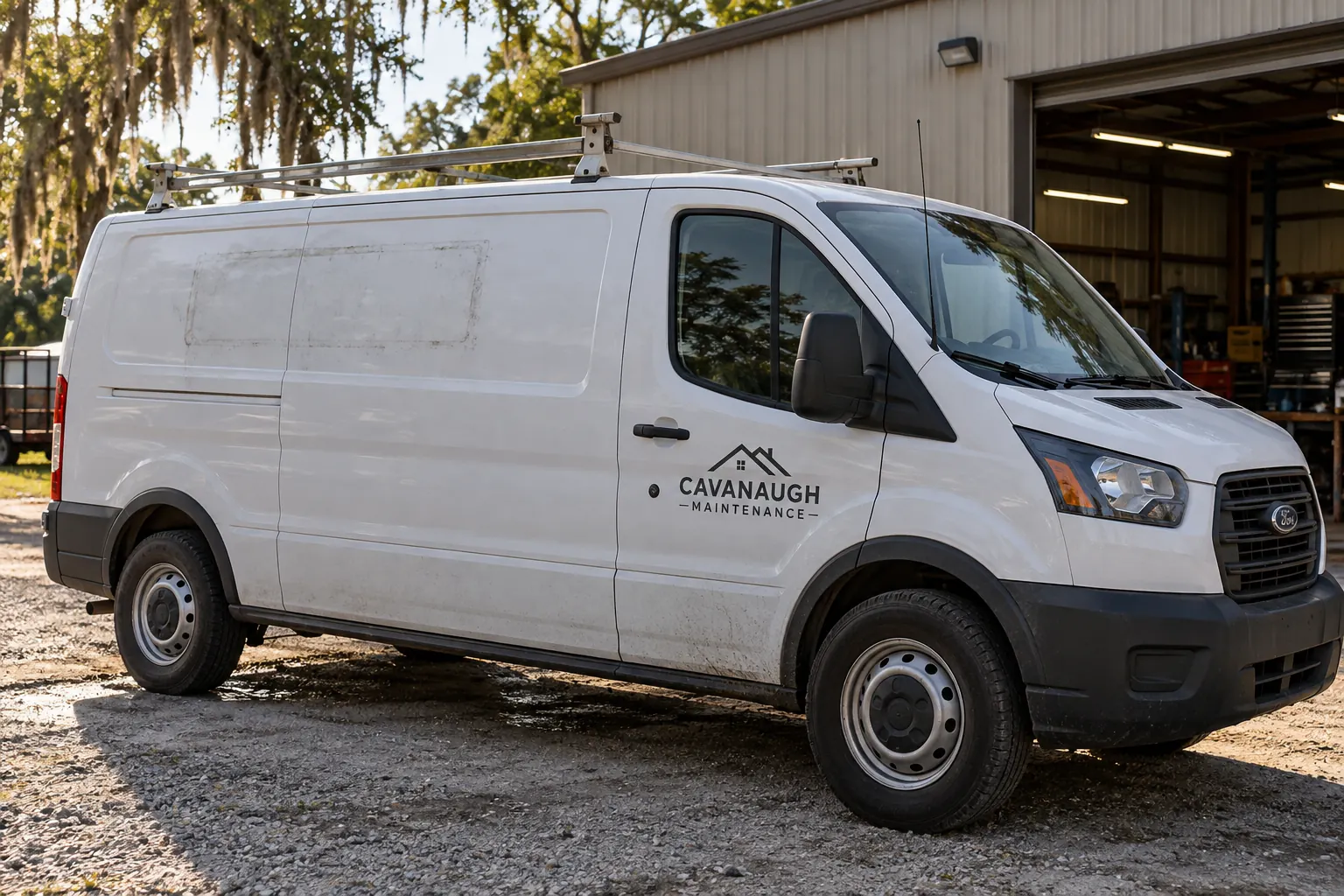
Original fictional commercial planning concept; not a completed customer installation.
Identify the unit, area and reported concern
Record the actual fleet identifier and the business contact reporting the surface question. Connect the area to current overall and closer photographs. State the concern in the reporter’s factual terms and identify what is visible or uncertain. A general note that the van needs cleaning does not locate the actual question or establish what the provider is being asked to assess.
An illustrative entry could identify unit R27, side panel area A and a residue-like outline visible in current view B. Those values show the record structure, not a diagnosis or a real customer condition. The actual brief should use its own source evidence. Keep the unit and area clear enough that another coordinator can distinguish this concern from old graphic history elsewhere on the vehicle.
Collect the actual earlier graphics and work history
Ask the business custodian for known installed-project, material or removal-work references concerning the area. Identify the source and scope of each record. Keep unknown details explicit. An older file showing the company identity may help locate history while leaving the actual installed system or later work unconfirmed.
Record reported timing and sequence factually without turning it into a causal conclusion. If another provider or business process supplied the history, retain the appropriate source contact through normal channels. The useful package explains what is known and where clarification can come from. It should not invent a product or assume a physical method merely because the visible outline resembles a previous decal.
Document the current surface context
Provide views that show the actual area, surrounding paint or finish, nearby graphics and relevant panel boundaries. Retain original image files and identify any annotation separately. A close crop can help locate an outline while omitting other context the provider needs. Ask what additional evidence or survey is appropriate for the real request.
Keep observed appearance separate from a conclusion about the underlying surface or permanence of a mark. The coordinator can report the current condition without claiming to establish the material or technical remedy from a photograph. If the vehicle has known coating or surface-work history, connect the relevant disclosure reference so the provider can ask a more precise source question about the area.
Retain any actual product or treatment history
If the business reports that something has already been used on the area, record the exact supplied product or work reference, date where known and affected location. Identify the source owner and keep unknowns honest. This is history for assessment, not a request to repeat a product or infer that a previous attempt was suitable.
3M’s Maintenance Instruction Bulletin, Revision A, December 2024 includes adhesive-residue guidance. Ask the actual provider which current instructions apply to the real surface and system. This worksheet does not select a chemical, reproduce a cleaning recipe or prescribe a removal method from the title of the concern.
Define the provider question and requested work stage
State whether the business wants an assessment of the reported area, clarification of known history or a proposal for defined work. Identify the actual unit, current evidence and selected question together. Keep a requested appearance outcome separate from what the provider has assessed. A general desire for the panel to look new should not conceal an unresolved surface question.
Ask how existing graphics and any proposed later treatment are addressed in the actual scope discussion. Identify missing source inputs and their owners. The provider can then explain what more it needs and what the proposal concerns. The useful brief turns a vague residue complaint into a concrete next-stage conversation without asking the business coordinator to supply a technical diagnosis.
Record actual responses and current status
Retain the provider’s actual response, assessment reference or further evidence request against the unit and area. Keep acknowledgment, review and physical work statuses distinguishable through the project process. Identify who supplies a missing history source or updated photograph. A new message should not lose the location and question the original evidence was meant to support.
After any actual work, retain the relevant project reference and current evidence through the normal process. Keep the requested outcome and completed treatment distinguishable. If something remains unresolved, record its status and owner factually. The next coordinator should be able to understand what was reported, what the provider supplied and which current evidence supports the next decision without rebuilding the history from several informal conversations.
Use a review brief for a precise service inquiry
The local worksheet captures the actual area, reported concern, earlier work history, current evidence, supplied product history and provider question. Retain actual files through the business’s appropriate process. The Cavanaugh Maintenance scene is a fictional surface-review concept; it is not evidence of a customer installation, diagnosed residue or guaranteed restoration result.
For Pelican Wraps, provide the actual vehicle and area views, available installed and removal references, known coating or other surface history and the coordinating contact. Explain the specific next assessment or work question. Use wrap care and maintenance for the broader resource and the panel replacement service where the actual project needs that discussion. A useful lead provides a truthful starting condition and source trail, giving the provider a defined question and the buyer a practical next action.
Draft and Download Your Working Record
Draft your entry, then download a copy before leaving. Send any project decision through the communication process agreed with your supplier.
Frequently Asked Questions
Take the Next Step with a Clear Project Brief
Continue with the resource that matches your next decision:
- Wrap Care & Maintenance
- Fleet Vehicle Coating Disclosure for Graphics
- Equipment Decal Replacement Photo Record
- Fleet Damage & Panel Replacement
- Request a Quote
Send the actual vehicle or surface photographs, quantities, approved brand files, requested coverage and timing constraints. Identify open questions so the project review can address your equipment and business needs.
