
Fleet Vehicle Sale Graphics Removal Checklist
A fleet vehicle sale graphics removal checklist connects the actual vehicle, selected visible end state and the work that needs assessment before the unit leaves the business. It is useful when the selling business is deciding what should happen to its identity, contacts or other graphics on that specific vehicle. The checklist records real instructions and current evidence rather than assuming the sale itself defines every graphic change. Its output is a bounded removal or identity-change inquiry and a closeout record for the selected scope.
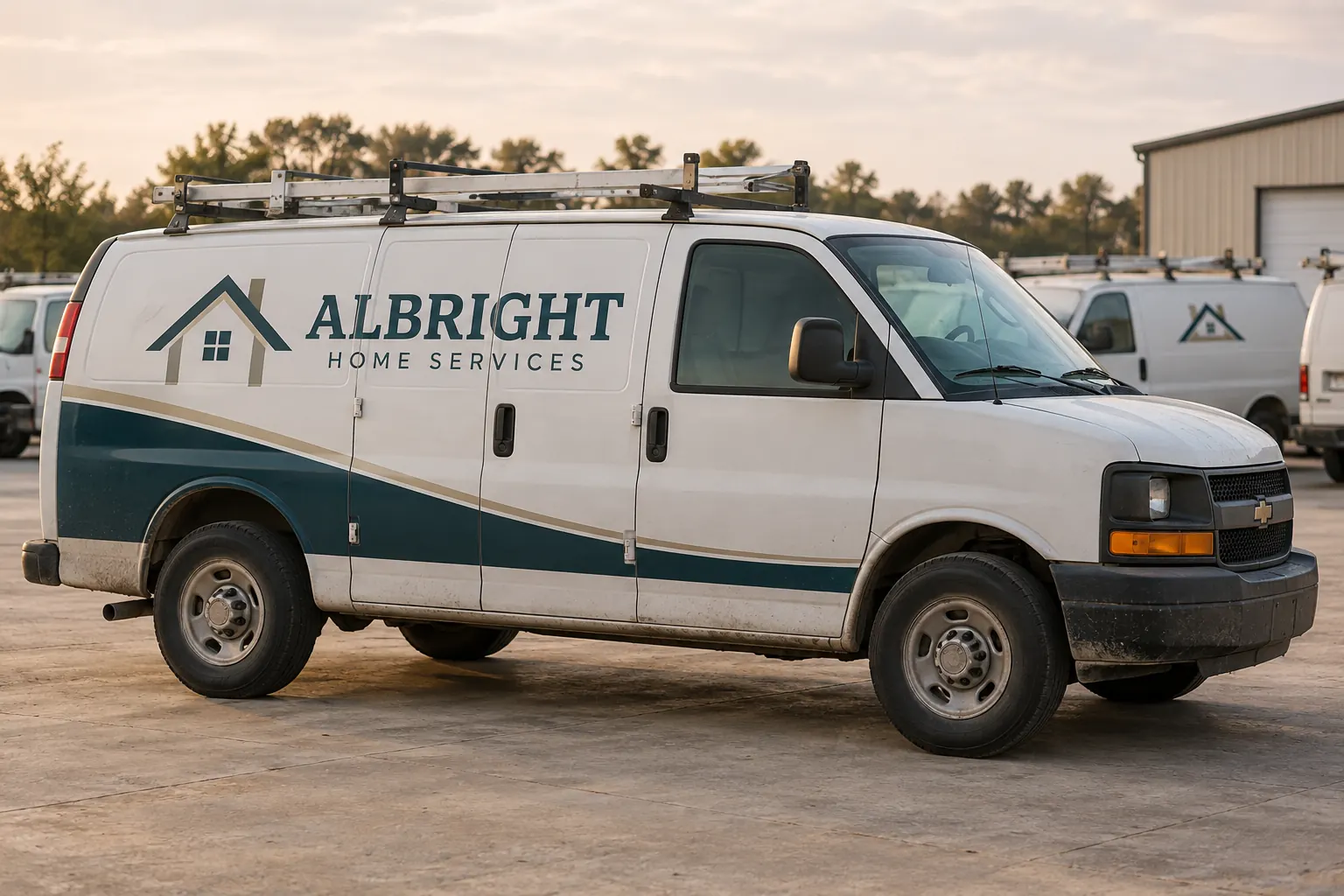
Original fictional commercial planning concept; not a completed customer installation.
Identify the actual sale-related graphics instruction
Record the fleet unit, current vehicle description and business source coordinating the graphics question. Identify the actual sale or handover planning reference appropriate to the business process. Keep sensitive transaction details in their underlying records. State the selected graphics question and current decision status so the provider can understand which physical work is being considered.
An illustrative entry might identify unit V27, business identity retirement proposed and seller coordination response pending. Those values are example fields, not a real sale or permission statement. The actual business should supply its own current instruction and responsible source. A general note that the van is being sold can locate the planning context while leaving the desired visible outcome unresolved.
Inventory the graphics actually present on the unit
Supply current overall and useful detail views connected to the real vehicle. List the business identity, contact information, unit values and other actual instances within the proposed question. Keep original vehicle information and other features distinguishable. Similar units may have different branding histories or added contact decals, so use current evidence for this particular vehicle.
Give each instance an area reference that the buyer and provider can locate. Record known installation or replacement history from actual sources and leave gaps honest. An older proof can help locate project history without establishing everything currently present. The useful inventory lets the business select a defined request instead of asking for the whole van to be debranded while different participants imagine different sets of graphics.
Record the selected end state and its source
Have the responsible business contacts identify which actual instances are to be addressed and what selected outcome they want assessed. Keep retained, retired or proposed replacement messages distinguishable in the record. If another party’s actual instruction is relevant to the request, retain its source and status through the appropriate process.
This worksheet organizes the actual graphics brief; it does not interpret sale terms or decide rights between parties. Keep unresolved transaction or authorization questions with their responsible contacts. A useful end-state map gives the provider a clear project question while exposing what still needs a business decision. The design or removal discussion should follow that real instruction rather than invent the sale’s physical graphics obligations.
Ask for assessment of the actual existing treatment
Provide the current unit and area evidence, selected instances and known installation or earlier work references. Ask the provider what further assessment is needed and how the actual proposed work will be defined. Keep existing surface and treatment questions visible instead of assuming that a familiar company logo identifies the material or removal history.
The checklist does not prescribe heat, tools, chemicals or a universal sequence. It also does not promise the underlying appearance from photographs or an older project on different equipment. The buyer’s role is to supply a defined actual request and truthful history. The provider can then assess the real work and explain its scope, dependencies and relevant source questions through the project process.
Coordinate timing with the real business handover
Identify the actual contact managing unit availability and the relevant handover target supplied by the business. Keep desired dates separate from confirmed work arrangements. Ask the provider what information it needs to establish the next stage. A sale target can be a real business constraint without proving that a particular graphics appointment or outcome is already confirmed.
If the unit or selected scope changes, identify the affected evidence and ask for relevant review. Keep actual vehicle movements and key arrangements with their normal sources. This record retains the sale-related graphics instruction and work question. It should give the next coordinator a clear picture of the current status without becoming an unofficial transaction schedule or a replacement for the provider’s actual appointment process.
Retain closeout evidence for the selected work
Use the actual project process to record the work reference, current unit evidence and any unresolved item. Compare the supplied outcome evidence with the selected instances and scope. Keep inquiry, proposal and completed-work status distinguishable. A date on a business handover plan should not silently become proof that each requested graphic has been addressed.
Identify the owner of remaining questions and keep useful earlier references as history. Preserve business artwork and installed-project records through the appropriate source system with their status clear. Retiring a physical unit and retiring a file are different decisions. A future buyer within the selling business may still need legitimate project history for another unit or later inquiry, even when this vehicle is leaving the fleet.
Send a source-backed vehicle sale graphics inquiry
The local worksheet captures the unit and planning source, actual graphic inventory, selected end state, physical assessment questions, availability and closeout evidence. Retain actual private transaction information through the business’s normal process. The Albright Home Services image is a fictional vehicle-change concept, not a sale advertisement, real customer project or removal result.
For Pelican Wraps, provide the actual unit and current photographs, selected affected instances, available project history and responsible instruction source. Explain timing needs, pending decisions and the coordinating contact. Use the relevant removal or replacement service discussion and the later vehicle-exit record for retained information. A useful lead gives the provider a defined physical question and the buyer a practical next action toward assessed work and documented current status.
Draft and Download Your Working Record
Draft your entry, then download a copy before leaving. Send any project decision through the communication process agreed with your supplier.
Frequently Asked Questions
Take the Next Step with a Clear Project Brief
Continue with the resource that matches your next decision:
- Wrap Care & Maintenance
- Rental Return Vehicle Graphics Removal Brief
- Equipment Graphics Decommissioning Checklist
- Request a Quote
Send the actual vehicle or surface photographs, quantities, approved brand files, requested coverage and timing constraints. Identify open questions so the project review can address your equipment and business needs.
