
Rental Return Vehicle Graphics Removal Brief
A rental-return vehicle graphics removal brief organizes the information needed to assess an actual return-related request. It should identify the asset, the graphics present, the owner’s supplied return instructions and the required handoff date. It is a project record, not a promise that every graphic can be removed without a visible result. Keep the owner’s decision, surface assessment and final return acceptance separate.
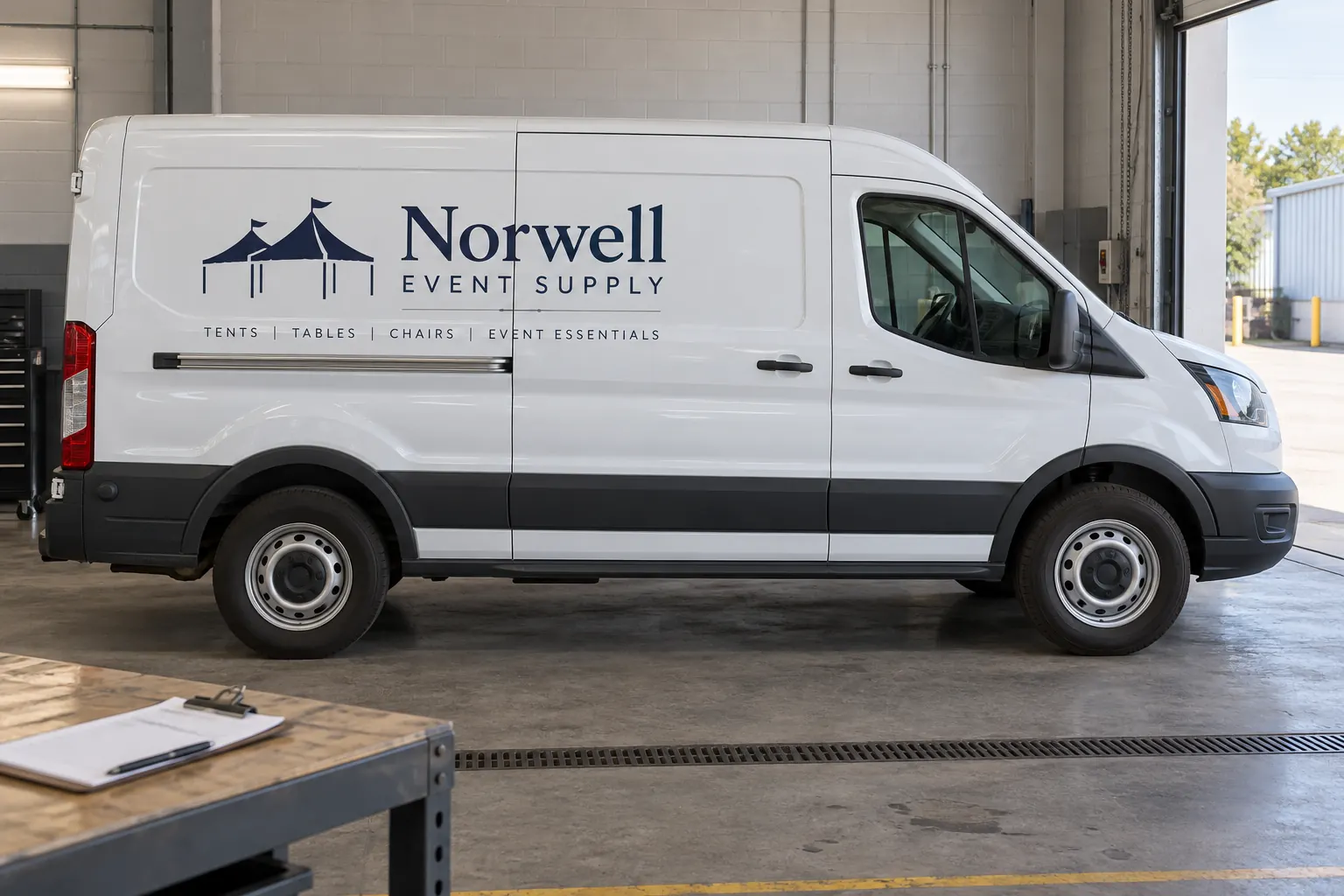
Original fictional commercial planning concept; not a completed customer installation.
Start with the actual return instruction
Collect the current instruction supplied by the rental or asset owner and record its source, date and contact. Identify exactly what identity or graphics work is being requested. If the instruction is unclear, ask the responsible owner contact to clarify it through your normal business process. Do not turn a colleague’s recollection into a confirmed return requirement.
Keep the instruction attached to the correct asset. A previous return for another van may provide context without establishing the conditions for this one. The graphics provider needs the actual requested outcome and relevant information, while the business and owner retain responsibility for their return arrangement. This brief organizes that evidence without interpreting the agreement or deciding acceptance.
Identify the unit and every affected graphic
Record the vehicle reference, body configuration and current location. Photograph both sides, the front, rear and relevant close details. List the identity elements present: door lettering, partial panels, rear contact information or other actual graphics. Identify areas that are not part of the request so the scope does not become an undefined instruction to make the vehicle plain.
Include any available history of the graphics and known surface repairs. If that history is unknown, say so. Do not invent an installation date or assume the visible graphic is the first treatment the vehicle has carried. A factual inventory gives the provider a more useful starting point for assessment than a distant photograph and a request for a guaranteed result.
Describe current condition without predicting the outcome
Take clear current photographs showing observed edge concerns, discoloration, previous repairs or other visible conditions relevant to the request. Describe what can actually be seen and where it occurs. Keep the record neutral; a photograph does not by itself establish the cause of a condition or what the surface will look like after work.
Ask the provider what assessment is needed and what uncertainty remains. Do not promise the owner an invisible outcome or an exact duration before the actual vehicle and scope have been reviewed. The fictional Norwell Event Supply van illustrates a vehicle awaiting a return-related discussion. It does not demonstrate a removal method or a completed result.
Separate graphics removal from other return work
List cleaning, body repair, equipment removal and other return-related tasks under their actual owners. Identify which of those tasks affect the proposed graphics work or its timing. A graphics inquiry should not silently include unrelated repairs or assume that another contractor has already made the vehicle ready. Keep the sequence visible when one task depends on another.
If additional work is discovered during review, record it as a new question or scope change. Ask the appropriate party to assess it. Do not treat a general rental-return deadline as authority to expand the graphics job without a defined decision. The buyer needs a clear account of included work, open conditions and the person responsible for resolving each.
Plan backwards from the actual handoff
Record the owner’s stated return date, the company’s internal release window and the contact who can move the vehicle. Keep those dates distinct from any graphics appointment. Ask the provider to assess the arrangement with the actual condition and scope information. A return deadline does not establish that the required work can be completed within an assumed time allowance.
Build space in the internal coordination process for unresolved questions and any owner review the business requires. Do not invent a universal buffer or promise a particular turnaround. If the requested dates cannot yet be confirmed, mark them pending and assign the next action. Clear status is more useful than a calendar entry that everyone interprets differently.
Request a defined proposal and record its limits
Send the asset inventory, photographs, supplied owner instruction and requested areas. Ask how assessment, included work, access and scheduling are addressed. Identify any uncertainty the provider cannot settle from the supplied information. Compare the actual scope and conditions rather than treating a brief total as a guarantee of return acceptance.
If several rental units are involved, list them individually or in reviewed configuration groups with their actual condition evidence. Similar vans may have different graphic histories and owner instructions. Do not extend a result or commercial arrangement from one asset to every other unit without the relevant review. Keep the proposal reference connected to the units it actually covers.
Prepare a factual completion handoff
Retain the agreed scope, actual work reference and current photographs after the job. Identify any observations that need further discussion through the relevant business process. Keep the graphics completion record separate from the owner’s eventual return inspection or acceptance. One does not automatically establish the other.
If a concern is raised, provide the unit, area, date and supporting photographs. Avoid assigning cause or responsibility solely from a brief message. Route the factual record to the appropriate contact for review. A clear handoff helps the parties discuss what happened without asking an old proof image or a generic removal description to stand in for actual evidence.
Use the working brief for the next decision
The downloadable record collects the unit, supplied instruction, graphic inventory, condition evidence, dates and decision owners. Fill it with actual references and save the text before leaving. Keep photographs and owner communications in your normal project files. Completing the record does not authorize work, amend an agreement or confirm a removal outcome.
For Pelican Wraps, send the package and ask for the actual vehicle graphics request to be assessed. Identify the return-related timing and unresolved owner questions. Use the broader logistics and fleet resources for the surrounding program, while keeping this inquiry focused on the specific asset and evidence needed for a defined removal discussion.
Draft and Download Your Working Record
Draft your entry, then download a copy before leaving. Send any project decision through the communication process agreed with your supplier.
Frequently Asked Questions
Take the Next Step with a Clear Project Brief
Continue with the resource that matches your next decision:
Send the actual vehicle or surface photographs, quantities, approved brand files, requested coverage and timing constraints. Identify open questions so the project review can address your equipment and business needs.
