
Fleet Graphics Delivery Damage Reporting Brief
A fleet graphics delivery damage reporting brief organizes the facts when a delivered graphics package or item appears damaged at receipt. It concerns the delivered package and contents, not a vehicle accident or an installed-graphics incident. The output connects the actual delivery reference, observed condition, photographs, affected items and response owner. Use the sender's and business's actual receiving process. This worksheet does not establish a carrier deadline, insurance coverage, liability or a technical conclusion about whether a graphic can be used. It helps the relevant source assess a clearly documented delivery question.
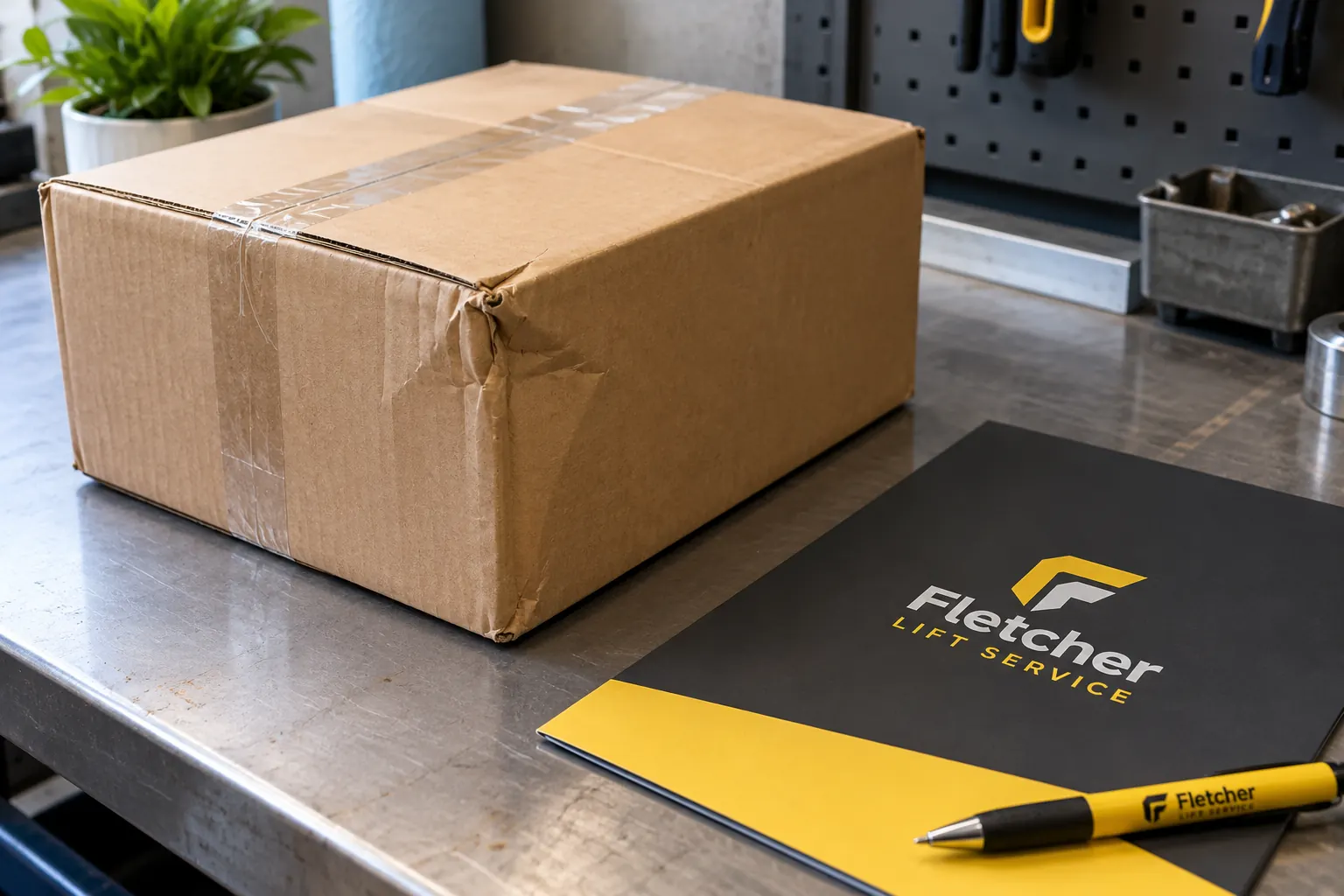
Original fictional commercial planning concept; not a completed customer installation.
Identify the actual delivery and receiving boundary
Record the delivery or shipment reference available to the business, the actual received date and the project or order reference. Identify the receiving role and where the relevant package is located through the business’s normal process. Keep unnecessary address details and personal contact information out of a widely shared summary.
State what was actually received and what remains unknown. A shipment notification, a delivered status and a verified contents check can be different pieces of information. Record the actual sources rather than assume they establish the same event. If the package reference cannot yet be connected with a project item, identify the sender question needed to resolve that mapping before a later report assigns the condition to the wrong order.
Record the condition observed at receipt
Describe the visible package condition factually and identify the relevant view. Notes might concern a dented carton corner, a wet-looking area or a torn outer wrapper, where actually observed. Avoid turning an appearance note into a conclusion about cause, transport handling or responsibility. Keep the observation and its date connected with the real package reference.
Follow the actual receiving process for the item and ask the relevant source how to handle a question about its condition. This record does not supply a universal opening or handling instruction. If a contents review is performed through that process, record what was actually observed and by whom. Keep unexamined contents clearly identified rather than mark every item damaged or usable based on the outer package alone.
Capture useful photographs and item context
Retain an overall package view, relevant identifying context and focused condition views where appropriate to the actual report. Keep images connected with the package and observation reference. Avoid a set of close-ups that cannot be matched to the delivery, or a single wide image that hides the specific condition being reported.
Where the actual process includes contents photographs, identify the particular item and relevant area. Keep original context and label edited or annotated copies clearly if the business uses them. Do not describe an ordinary photograph as evidence of an unobserved impact or a technical material condition. The useful photographic package helps the sender understand the factual question and request a specific missing view if more information is needed.
Map the affected items and their current status
Connect the observed condition with the actual packing list, order description or sender-supplied item reference. Identify the quantity examined and the items not yet checked. A carton containing several graphics should not become a single undifferentiated damaged set if the actual observations concern one identified item and the status of the others is unknown.
Record where the affected items are held through the business’s actual process and which next task depends on a response. Keep status labels factual, such as observed issue reported or assessment pending, where those fit the actual evidence. Do not independently declare suitability, perform a speculative repair or treat the reporting worksheet as permission to proceed with an uncertain item. Ask the relevant provider to define the next review step.
Send a bounded report through the actual response route
Identify the sender or provider contact used for delivery questions and the business role coordinating the response. Include the delivery reference, item mapping, factual observations, relevant photographs and the particular question. Ask what additional evidence or review is needed for the affected items. Keep the report tied to the real delivery rather than a general complaint with no identifiable package.
Use the applicable sender, receiving or carrier process to establish any required steps and timing. This page does not invent a reporting deadline or determine a claim outcome. Retain the actual response reference and the source of any instruction. If several parties are involved, identify the response route and open owner without assuming one party accepted responsibility merely because it received the first message.
Track the response and dependent project work
Record the actual provider or source response, any requested follow-up evidence and the status of the affected items. If a replacement or revised delivery is discussed, identify the confirmed reference and unresolved questions. Keep proposed actions distinguishable from actions that were actually arranged or completed through the business’s process.
Connect any resulting schedule or project scope question with its relevant record and responsible role. A delivery issue can create a coordination question without establishing a new completion date or replacement promise. Preserve the original observation package as history and link later sources so another coordinator can follow the response without repeating the report or relying on an outdated status copied from the first message.
Download the reporting brief and preserve the source trail
Use the working record for the actual delivery reference, receiving observation, photograph register, item mapping, report route and current response status. Keep source images and messages in the business’s appropriate records. The brief should let a second coordinator find the actual package, understand what was observed and identify the next response owner.
For Pelican Wraps, provide the real order or project reference, factual package and item observations, relevant photographs and the bounded delivery question. If the issue concerns an installed vehicle after an incident, use the separate vehicle-graphics incident record instead. A useful inquiry starts with the correct task and actual evidence, giving the relevant source a defined condition to assess without unsupported conclusions about cause, responsibility or future performance.
Draft and Download Your Working Record
Draft your entry, then download a copy before leaving. Send any project decision through the communication process agreed with your supplier.
Frequently Asked Questions
Take the Next Step with a Clear Project Brief
Continue with the resource that matches your next decision:
- Fleet Graphics Procurement & RFQ Checklist
- Fleet Graphics Vendor Question Log
- Fleet Graphics Change Order Checklist
- Request a Quote
Send the actual vehicle or surface photographs, quantities, approved brand files, requested coverage and timing constraints. Identify open questions so the project review can address your equipment and business needs.
