
Fleet Graphics Vendor Question Log
A fleet graphics vendor question log keeps the actual questions and answers for a project connected with their sources and downstream effects. It is useful when several people, proposal revisions or vehicle-specific issues could otherwise leave the same question being asked repeatedly. The output is a current reference for each bounded question, its recipient, response and affected record. The separate question-round walkthrough helps run a focused review session. This permanent worksheet holds the resulting questions and statuses so the next coordinator can retrieve what was answered and what still needs a source.
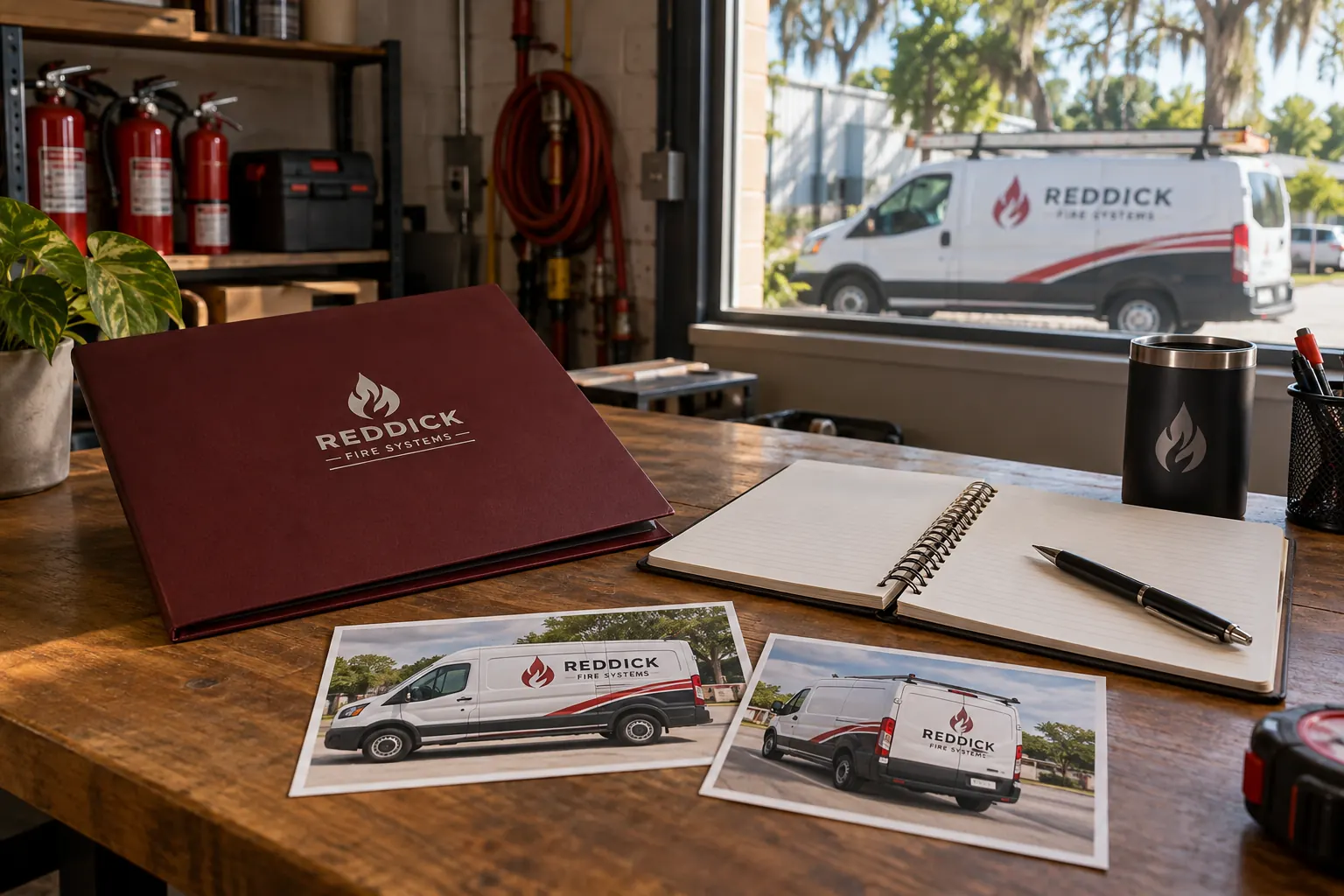
Original fictional commercial planning concept; not a completed customer installation.
Give each question a stable project reference
Identify the actual project, current brief or proposal reference and the business role maintaining the log. Give each question a simple identifier that stays with the issue as responses arrive. Record the affected unit or surface where relevant. A stable reference helps separate several similar questions without rewriting their identity every time a message is forwarded.
Keep the log boundary clear. A question about the current artwork source and a question about a later vehicle addition can belong to different project stages. Record that distinction rather than combine them into one general needs clarification line. The log should make the real task retrievable, with enough context for the source to answer and for another coordinator to understand why the question was asked.
Write one bounded question per record entry
State the missing information or mismatch and identify the source that prompted it. Ask a question the recipient can answer against the actual project. For example, an illustrative entry might ask which current proof reference applies to a named vehicle, while a separate entry asks whether a proposed additional area is part of the selected response.
Do not bundle unrelated questions into a paragraph that can receive a partial answer without a clear remaining status. Separate a business preference from a technical assessment question and from a missing document reference. This keeps the response route appropriate to the task. A concise question is useful when it preserves the relevant facts, not when it removes the unit or source context needed to understand it.
Attach the minimum useful evidence and source location
Identify the actual document revision, line or relevant view behind the question. Retain the source in the business’s normal records and use a concise reference in the log. If a photograph is needed, connect it with the unit and area rather than attach an unexplained close-up. Keep superseded documents identifiable as history where retained.
Record unknowns honestly. If the original request cannot be located, that source gap is part of the issue and should be assigned to the actual owner. Avoid reconstructing a document from memory or copying a response from another project as if it answered this question. The useful evidence package gives the recipient a specific context and makes any additional information request easier to define.
Assign the actual recipient and next response owner
Use the real project process to identify who should answer. The provider can clarify its actual proposal or supplied technical information, while the buyer’s decision maker may need to resolve a scope preference. An internal file custodian may own a missing artwork source. Keep those response roles distinct rather than route every open item to a general contact.
Record the sent reference and any follow-up arrangement actually made. Do not invent a response deadline or infer that a copied participant accepted the task. If the answer depends on another source, identify that route and the coordinator maintaining the question. A useful log exposes the next owner so a later participant can follow the actual inquiry without restarting it through a different channel.
Record the answer and its precise scope
Retain the actual response reference and summarize only what it establishes for the question. If the answer covers one unit, keep that boundary visible. If it directs the buyer to a revised proposal or proof, identify the current source rather than treat the message as a substitute for a document the project still needs.
Use a partial or open status where the response leaves part of the bounded question unresolved. Ask a focused follow-up tied to the original entry. Do not broaden a general explanation into a technical approval, price promise or authorization it did not provide. The record should show which fact was answered, by which source and what remains to be resolved through the actual process.
Update the records that depend on the answer
Identify the actual brief, comparison worksheet, scope record, proof or participant handoff affected by the response. Name the person responsible for updating that record. An answered email can still leave the active project package wrong if the relevant document continues to show the older assumption.
Record the update reference and a bounded check where needed. A coordinator can verify that the current unit list reflects the clarified quantity or that the intended recipient can locate the revised proof. Keep the original question and superseded sources as appropriate history. This step turns the log from a message archive into a useful control for the actual information the next participant will use.
Review remaining questions and prepare a useful inquiry
Use the working record for the project reference, bounded questions, evidence sources, actual recipients, responses and affected-record updates. At a practical review point, check the unanswered items that matter to the next task and their owners. Use the question-round walkthrough for organizing that review rather than repeat its meeting procedure in every entry.
For Pelican Wraps, supply the real units or surfaces, current photographs, requested coverage, approved file references and the particular question. Include the relevant current source and distinguish facts from assumptions. A useful lead gives the provider a defined issue to assess; a useful project log keeps the resulting response connected with the actual work. Preserve that source trail through the next scope and proof decisions.
Draft and Download Your Working Record
Draft your entry, then download a copy before leaving. Send any project decision through the communication process agreed with your supplier.
Frequently Asked Questions
Take the Next Step with a Clear Project Brief
Continue with the resource that matches your next decision:
- Fleet Graphics Procurement & RFQ Checklist
- Fleet Graphics Scope Exclusions Checklist
- Fleet Graphics Subcontractor Responsibility Map
- Fleet Graphics Management
- Request a Quote
Send the actual vehicle or surface photographs, quantities, approved brand files, requested coverage and timing constraints. Identify open questions so the project review can address your equipment and business needs.
