
Storefront Opaque vs Clear Graphics Planning
Opaque and clear graphics discussions should begin with the view the business wants to preserve and the message it wants to add. Product labels alone do not describe the complete proposed appearance or establish suitability for the actual glass. This planning record helps a buyer compare defined coverage options, identify sample questions and supply the right premises information. Material selection and glass assessment belong in the actual provider review, with the applicable manufacturer guidance.
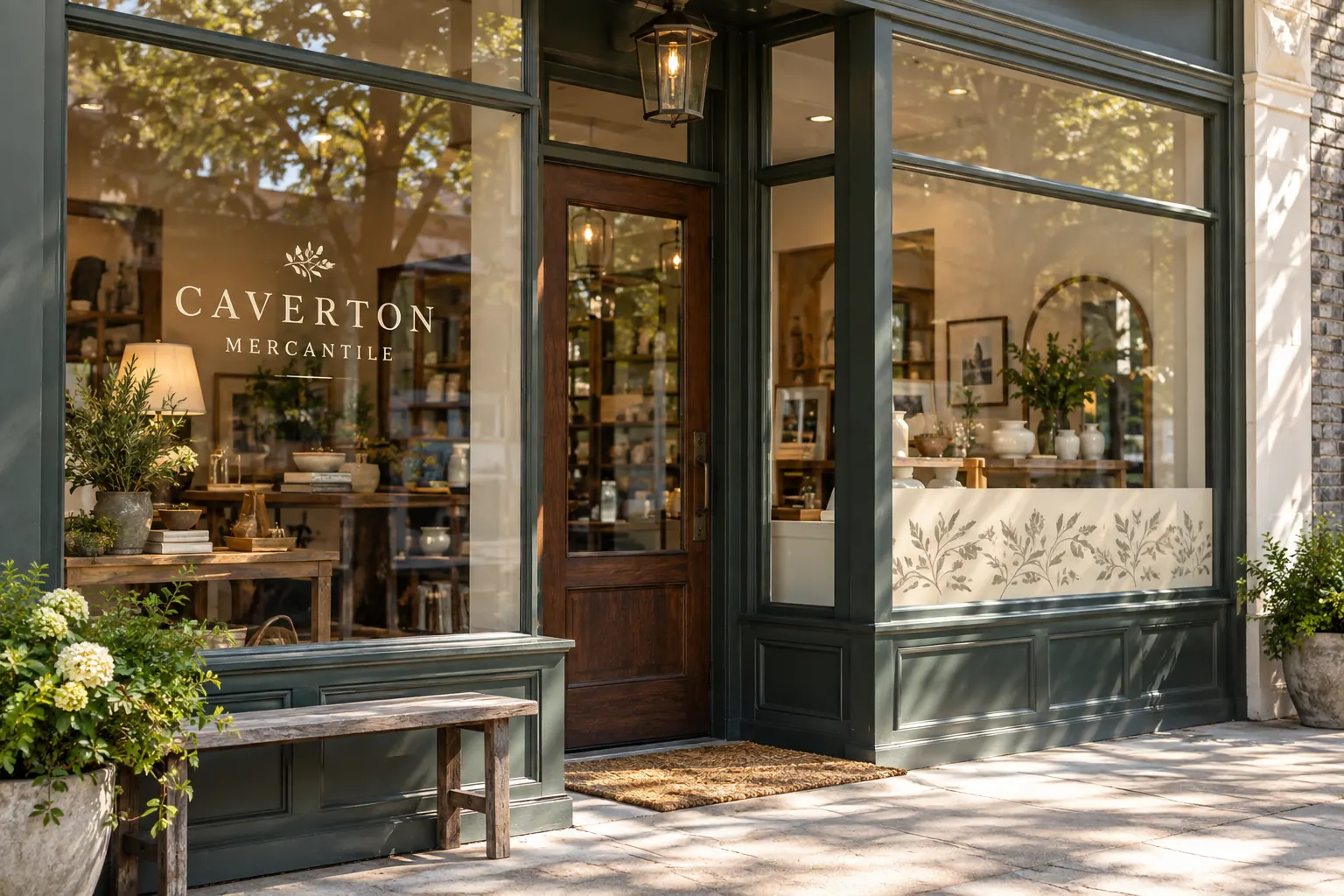
Original fictional commercial planning concept; not a completed customer installation.
Write the view and message goals first
Describe what a customer should understand from outside and what the business wants visible through each named pane. Identify displays, interior activity or another relevant view without assuming every window has the same job. A proposed identity area, campaign area and view-through area can be separate decisions in one storefront.
Use current inside and outside photographs to explain the goals. Keep the request specific enough to compare options: preserve a named display view while adding identity in a defined area, for example. Avoid beginning with cover everything or use clear film as if either phrase explains the intended result. The business needs a visible outcome to discuss before a product proposal can be assessed against that purpose.
Map the desired appearance by actual area
Give each pane or door a reference and describe which parts are intended for printed message, a solid-looking treatment or a retained view. Treat these as planning directions until the actual scope is assessed. Do not derive final dimensions or permissible coverage from a concept image. Link the real glazing and property information available for each area.
The Caverton Mercantile concept shows different limited graphic treatments within one fictional frontage. It illustrates an area discussion, not measured opacity, privacy performance or a suitable material system. Your own record should explain the business purpose of each proposed area. The provider can then ask questions about the real glass and intended treatment instead of interpreting an attractive example as a complete specification.
Compare the complete proposed treatment
Ask the provider to identify the actual proposed film, printing treatment and relevant application arrangement for each option. Record the supplied references and what appearance question the option is meant to answer. A carrier described as clear is not a complete explanation of the proposed printed design; ask which parts of the finished treatment are intended to remain view-through.
Keep different options based on the same real areas and current copy. If one changes coverage or adds work, identify that difference. Do not compare a broad visual description with a fully defined proposal and assume the totals concern identical work. The useful comparison gives each option a findable source, stated purpose and explicit questions rather than relying on a single opaque-versus-clear label.
Make glass and sunlight assessment a real project input
Provide the available glazing records, current photographs, relevant existing treatments and actual exposure information through the responsible premises contact. Ask the provider to assess the proposed system against the applicable guidance. Do not select a high-coverage or dark treatment from appearance alone when the real glass and exposure have not been reviewed.
3M’s September2026 building-window bulletin warns against high-opacity or dark-ink film on glass with significant sunlight exposure because heat can cause breakage. Use the applicable manufacturer guidance for the actual proposed product; this example does not establish that another treatment is suitable. Keep unresolved glass questions visible before dependent design or work decisions proceed.
Primary source: 3M Application: Building Windows, Revision B, September 2026.
Define the sample or appearance review question
Ask what sample, proof or other review item can address the specific appearance question. Record the actual reference and review context. A small item may help discuss one part of the treatment without establishing the appearance of every pane, lighting condition or complete storefront. Keep its stated purpose connected to the decision.
If the business expects a particular level of privacy, view-through or display visibility, make that expectation explicit and ask how it will be assessed for the actual proposal. Do not infer a guarantee from a photograph or general product category. Use the sample-scope walkthrough to record what was reviewed and which other questions remain, then keep the area and material references consistent through revisions.
Keep inside, outside and changing conditions distinguishable
Identify the actual viewpoints and conditions that matter to the business, such as a customer approaching the frontage or staff looking outward from a named location. Record which ones were considered in the review and which remain open. A single attractive screen preview should not be treated as evidence of every real condition the business expects.
Use the sightline record for the detailed observation map and retain its references with this coverage plan. If an option changes the view goal, ask the business owner to make that decision explicitly. A request can evolve, but the current brief should explain why an area once intended to remain visible is now proposed for a different treatment instead of allowing the change to happen unnoticed during layout.
Request a coverage proposal the business can compare
Send Pelican Wraps the actual pane list, inside and outside photographs, view goals, exact public copy, supplied glazing information and proposed alternatives. Identify sample questions, pending decisions and the person coordinating the sources. Explain whether the request is an initial comparison or assessment of an already defined system.
Use the local record below to keep goals, area actions, proposed-product references, glass questions and review outcomes together. The window graphics service can address the commercial scope. The useful result is a comparison rooted in the business’s actual customer message and premises evidence, with a clear route to the next decision. It avoids treating a broad material label or fictional image as proof of privacy, appearance or glass suitability.
Draft and Download Your Working Record
Draft your entry, then download a copy before leaving. Send any project decision through the communication process agreed with your supplier.
Frequently Asked Questions
Take the Next Step with a Clear Project Brief
Continue with the resource that matches your next decision:
- Window Graphics
- Retail & Storefront Graphics
- Storefront Window Graphics Survey Checklist
- Request a Quote
Send the actual vehicle or surface photographs, quantities, approved brand files, requested coverage and timing constraints. Identify open questions so the project review can address your equipment and business needs.
