
Nationwide Fleet Installation: Start With a Location-by-Location Plan
A fleet spread across several markets needs more than a common artwork file. It needs accurate vehicle records, an approved production standard and confirmed installation arrangements for each location. Pelican Wraps is based in Harvey, Louisiana. Use this page to prepare a national or multi-location fleet inquiry; coverage, installer availability, site suitability and project responsibilities must be confirmed for the actual program.
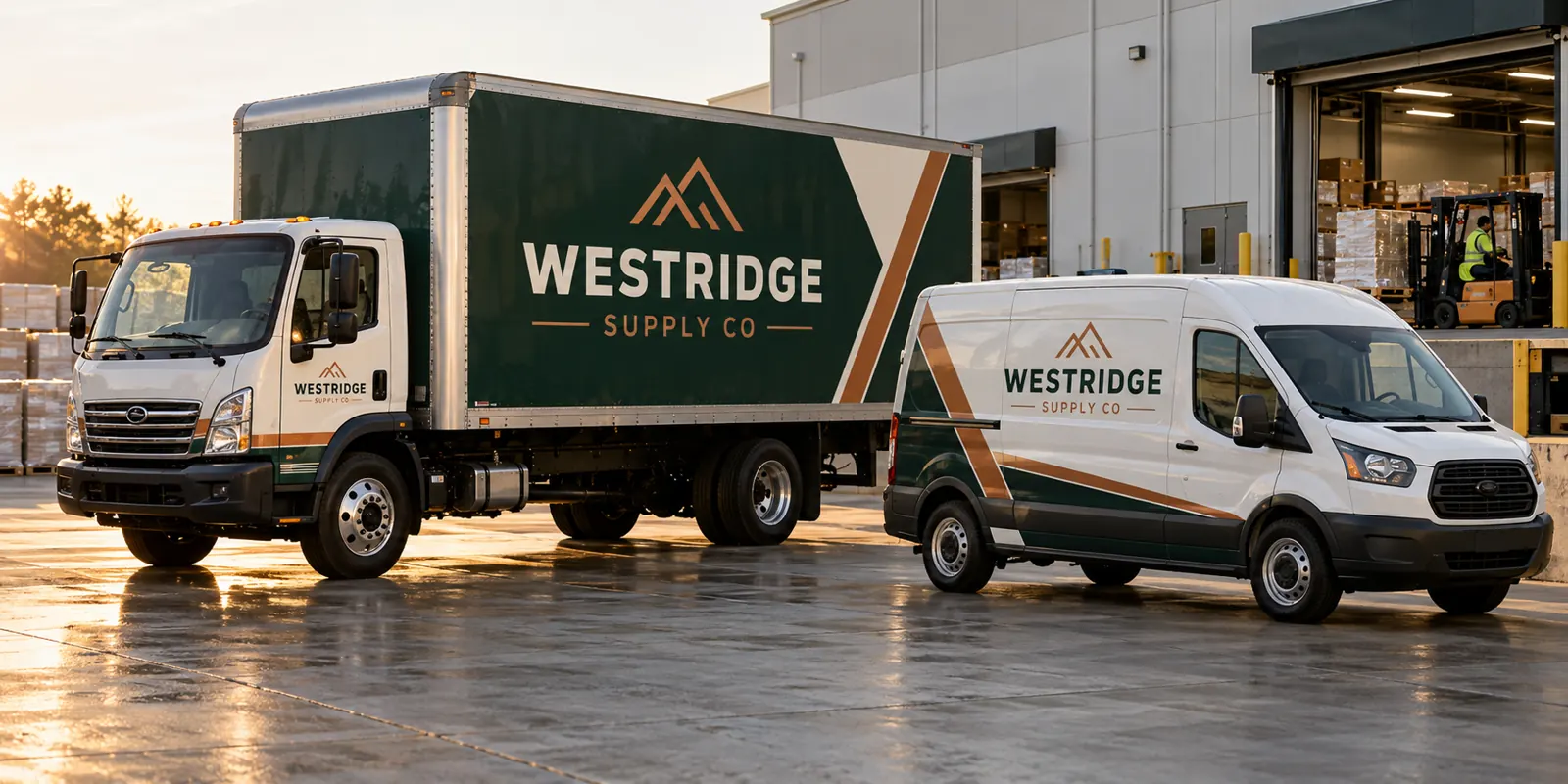
Fictional commercial wrap design concept; not a completed customer installation.
Start with locations and units, not a national total
Break the fleet list into operating locations and identify the vehicles assigned to each one. Include body types, quantities, current graphics and the contact who controls vehicle release. Ten units in one suitable facility create a different planning problem from ten single vehicles spread across separate markets. A national total alone cannot establish the installation sequence or project cost.
Mark locations with deadlines, limited access, ownership restrictions or vehicles that move between bases. Explain which details are confirmed and which remain estimates. The initial review can then identify practical next steps rather than treating every location as an interchangeable stop on a route that has not been agreed.
Confirm the installation arrangement in each market
Do not assume that a service-area page establishes a local Pelican Wraps branch, an available installer or a mobile installation commitment. Ask how each proposed location would be served and which party would perform the work. The Harvey shop is the established base; any additional arrangement requires project-specific confirmation.
For an outside facility, provide the address, access contact, vehicle-clearance information and relevant working conditions. A parking space is not automatically an appropriate installation environment. Ask what site information, preparation and inspection are needed before the location can be accepted. Confirm the responsibilities in writing before dispatching vehicles, shipping graphics or announcing completion dates to the operating team.
Use one approved production and artwork standard
Identify the final identity, vehicle layouts, material specifications and contact rules that the program is intended to use. Different bodies may require different files while sharing the same visual system. Label revisions and connect each production package to the correct vehicle group and location. This reduces the chance of one market receiving outdated contact information.
Where several parties are involved, define who approves adaptations and who can release production. Keep a clear record of what was approved rather than relying on separate local email threads. The fleet graphics management page explains how unit assignments and artwork records support later additions and repairs.
Separate production readiness from site readiness
Approved artwork does not make a vehicle ready, and a ready vehicle does not make unfinished artwork printable. Track these dependencies independently. Confirm the condition of existing graphics, any removal scope, body repairs, cleaning requirements and the vehicle-release plan. Identify who is responsible for preparation at each site.
If graphics will be shipped, define the receiving contact, package identification and storage responsibilities in the proposal. Confirm how the correct package will be matched to the intended vehicle. Avoid assuming that delivery of a printed kit means the installation can begin immediately. The scope needs an agreed process for checking the material, equipment and site before the appointment proceeds.
Build a release plan with local operating contacts
Give each operating location a realistic sequence and a named contact who can make the vehicle available. Ask which units must stay in service, who can move them and what happens if a scheduled unit is absent or needs unexpected repairs. A central brand manager may approve the identity while a local dispatcher controls the equipment; both roles belong in the plan.
Use milestones for approvals, preparation, production, delivery where applicable, installation and closeout. Confirm dates against actual availability. A national launch goal should not be presented as a guarantee before these dependencies are resolved. The scheduling guide provides a useful framework for a phased release.
Define evidence of completion and an exception route
Agree what each completed unit record should include, such as the vehicle identifier, installed revision, date and photographs of the relevant views. Decide who reviews those records and how unresolved items are reported. Photos should show the actual equipment and graphics rather than stand in for a customer acceptance process that has not been defined.
Create a route for exceptions: incorrect vehicle information, missing equipment, unsuitable surfaces or a question about the supplied graphics. Identify who can authorize a scope change and how it affects the remaining schedule. Clear reporting is more useful than a blanket promise that every market will encounter exactly the same conditions.
Prepare a scoped national-program inquiry
Send the location-by-location unit register, body photographs, approved artwork status, desired coverage and timing priorities. State where vehicles can be brought to an existing facility and where another arrangement is requested. Include the owner of the budget, artwork approval and local vehicle release so the review can distinguish commercial decisions from operational dependencies.
Request a multi-location fleet review to establish feasibility and the information still required. Ask the proposal to define production, installation, transportation, site requirements, closeout and exclusions. For a change of business identity, also review fleet rebranding. A confirmed project scope is the basis for a rollout commitment.
Frequently Asked Questions
Turn Your Vehicle Details Into a Clear Project Brief
Send current photographs, vehicle quantities, logo files, coverage preferences and timing. Identify old graphics and paint concerns so the project review can address the actual equipment.
Explore planning resources or request your commercial wrap quote.
