
Government Fleet Graphics: Build an Asset Scope the Buyer Can Review
Organize public-fleet identification, commercial graphics and property items around the actual asset schedule and authorized procurement process. Choose the route below for your buyer question, then provide the specifications, photographs and approval contacts needed for a defined scope discussion.
Choose the procurement question you need to resolve
Use the government RFQ guide to prepare an actual request and asset schedule. Visit capabilities and scope information to organize the supplier facts and documentation relevant to the enquiry. Choose federal planning or state and local planning for the appropriate buyer context.
For purchasing-route questions, see cooperative purchasing review. For classification references, use NAICS planning. For finding and tracking notices, choose opportunity monitoring. Each route serves a different preparation task; a general website page does not replace the actual agency request, vendor verification or purchasing authority.
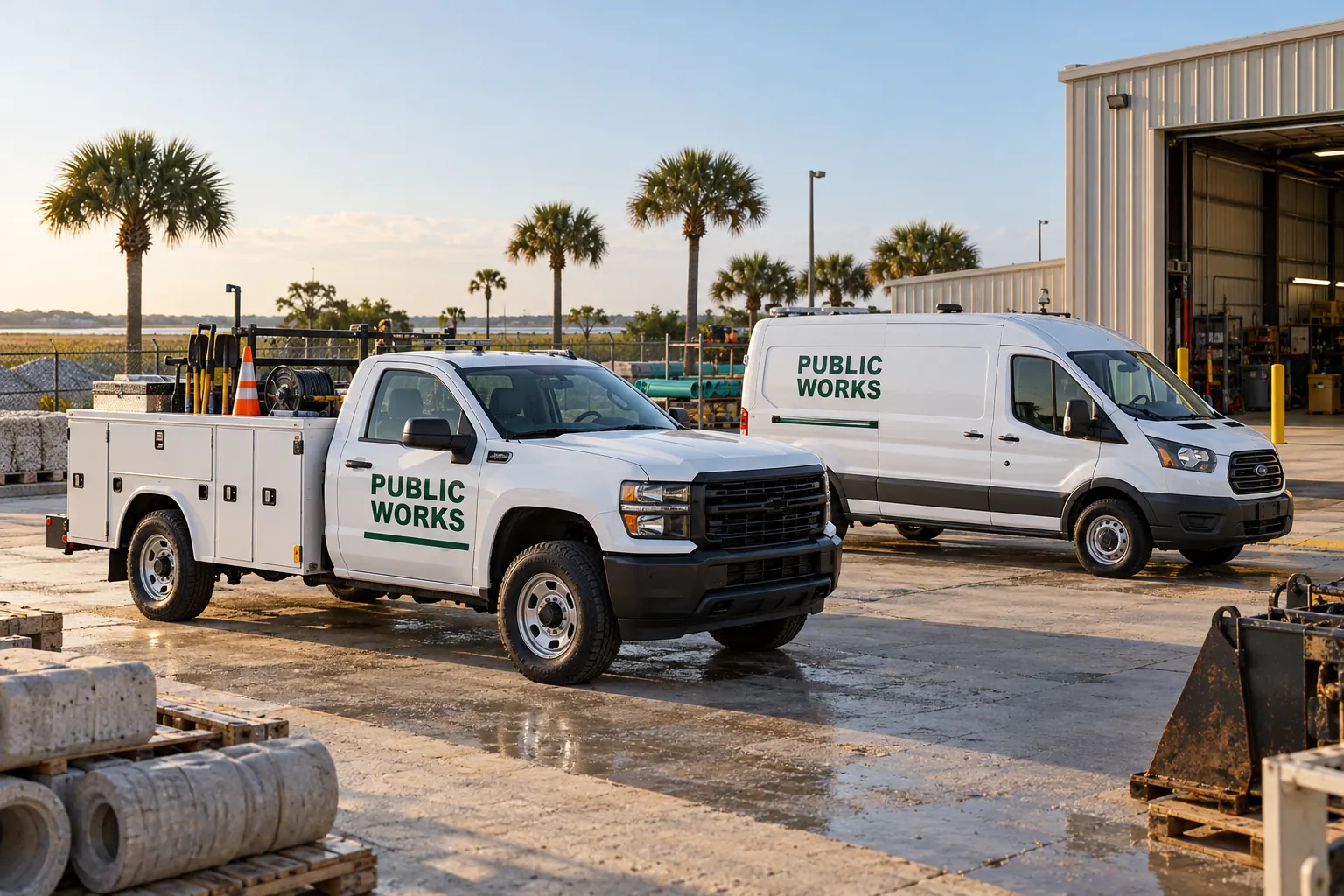
Illustrative planning concept; not an actual agency customer, completed installation, official document or contract award.
Define the graphics work before attaching administrative labels
List the vehicles, equipment or property items receiving graphics and explain their intended identity or information purpose. Separate optional branding from applicable required markings and operational equipment. Describe quantities, configurations, faces and coverage rather than rely on a broad instruction to identify the whole department.
Pelican Wraps project discussions use the Harvey business base at 1201 MacArthur Ave, Suite B, Harvey, LA 70058. Provide the actual asset locations and proposed access arrangements for review. This is one business location, not a claim of an office in every service area or an on-site team at every agency facility. The scope should connect the buyer needs with arrangements that the relevant parties actually confirm.
Prepare an asset schedule with current authorized information
Identify each unit or genuine repeat group and provide overall and close photographs. Include body and door differences, relevant equipment, surface condition, old graphics and measurement status. Keep estimates labeled and assign final verification. A common department name does not establish identical production geometry across pickups, vans, service bodies, trailers and equipment.
Use the inventory worksheet to organize preparation. Have the responsible buyer or operator supply actual identity assets, unit references and applicable required text. Do not invent identifiers or borrow another agency seal for a convincing proof. The record should show the authorized source and approver for changing information as well as the visual direction.
Request a defined technical and commercial response
Describe the proposed faces and relevant starting condition and ask the response to identify the named material system and application assumptions. Separate design, removal, preparation, production, installation and relevant access or transport items where applicable. Keep provisional amounts and exclusions visible so responses can be compared against equivalent work.
Use the RFQ readiness record to check the facts and responsibilities. A price for one clean configuration is not automatically a complete amount for a mixed fleet with old graphics or repairs. The actual proposal and relevant surface review should resolve those questions before production is released, rather than let a general product category carry the entire specification.
Verify vendor and purchasing information for the actual request
Identify the buyer required vendor documents and the official route for checking them. Keep legal identity, registration, classification, certifications and any contract arrangement distinct from a marketing description of graphics services. A website capability statement or fictional public-fleet illustration is not proof of an award or qualification.
Use SAM.gov registration information for federal registration questions and the actual state or local buyer process for its requirements. This site does not publish an invented UEI, CAGE code, certification or contract number. Ask for the current records relevant to the specific request and retain the buyer acceptance of the actual procurement route alongside the commercial scope.
Name the people who approve identity, data and release
Record the authority for business or department wording, variable information, final dimensions and asset release. One person may hold several roles, but the accepted instruction should identify what was approved. A style comment does not establish purchasing authority, and a proposed date does not independently approve the artwork or surface.
Use release planning for unit windows and dependencies. Let the operator explain service constraints and confirm actual supplier availability and access. Keep changes attached to the affected units and current files. The project should have a clear route from authorized request to accepted scope, approved production and documented handover without assuming every public fleet follows one identical schedule.
Turn the enquiry into a traceable project record
Retain the actual request, specifications, asset references, clarification answers and accepted response. Connect completed units or items to approved layouts, relevant product information, installed photographs and care guidance. Record later changes so a replacement enquiry starts with current facts rather than an old department logo alone.
For a real discussion, send the authorized government graphics brief and identify the buyer, operational and approval contacts. See the fictional public-works planning example for a possible decision-record structure. The illustration and example explain scope preparation without claiming a government customer, awarded contract, qualifying program or measured public-service result.
Frequently Asked Questions
Prepare the Actual Government Graphics Request
Send current photographs, vehicle quantities, logo files, coverage preferences and timing. Identify old graphics and paint concerns so the project review can address the actual equipment.
Explore planning resources or request your commercial wrap quote.
