
Utilities and Energy Fleet Graphics Planning
Utilities and energy organizations operate varied vehicles with different equipment, identity and approval needs. Build a clear fleet graphics brief around the actual operator, approved assets, body configurations and specifications, with one maintained reference for additions and replacements.
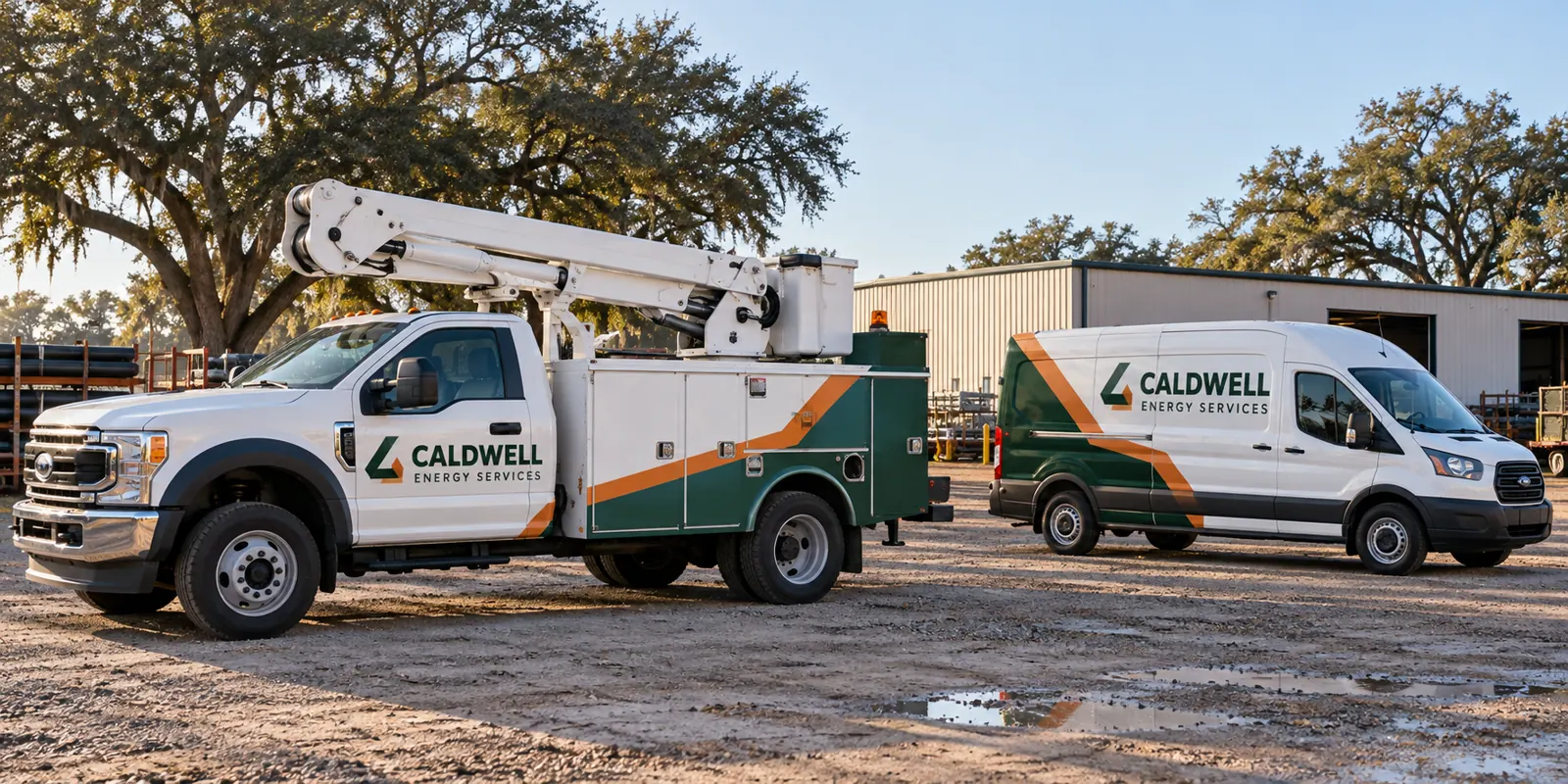
Fictional commercial wrap design concept; not a completed customer installation.
Identify the actual operator and the work represented
Start with the organization name and an accurate description of the vehicle’s role. A utility operator, private contractor and service partner may have different identity requirements. Make that relationship clear in the brief before choosing a visual direction. The viewer should be able to recognize the operator without relying on a generic industry symbol.
Choose the contact route that belongs on the vehicle and have the responsible organization verify it. A business enquiry route and an operational contact are different decisions. Use approved wording and assets so the layout reflects the actual organization rather than introducing a qualification, affiliation or service promise not established by the brief.
For a mixed operator and contractor program, identify the approval owner for each identity relationship in the equipment list. Record which units use the core organization brand and which need a separately authorized treatment. This keeps a newly acquired work truck from inheriting a layout whose partner relationship or operating role no longer applies.
Gather approved brand sources and current requirements
Supply authorized logos, colors, naming conventions and any existing vehicle identity standards. If partner or client assets are included, identify their permission and review process. An unrelated work truck can illustrate a preference but should not become the source for the organization’s current identity or specifications.
Where the project includes prescribed markings, material requirements or other operational conditions, provide the current written documents and the responsible reviewer. The scope needs to address those requirements explicitly. A general graphics concept or a material’s appearance should not be used as evidence that a particular standard has been met.
Inventory utility bodies and smaller support vehicles
List configurations and quantities, including service bodies, utility equipment, van roof heights and other relevant body details. Photograph each version from both sides and rear with equipment safely stowed. Show compartments, racks, booms, reels and access panels that affect the usable graphic areas.
Use the utility-truck page, service-body route and van page for equipment-specific planning. A shared cab model does not describe every body fitted behind it. Separate unusual units from standard versions before the project assumes a uniform fleet.
Work around functional surfaces and existing information
Review the company name and contact details against stable suitable panels. Handles, gaps, racks and equipment can interrupt a continuous design. A selected-panel identity may communicate more clearly than forcing large wording across every compartment. Use current photographs to assess what a viewer actually sees.
Identify warnings, equipment labels, identifiers and access areas that must remain visible and usable. Have the responsible equipment owner review the exclusions. The written scope should state included surfaces clearly, without treating decorative branding as equipment modification or a replacement for operating information.
Keep the identity consistent across a mixed fleet
Define stable elements such as logo treatment, colors and message hierarchy, then adapt placement to each body. A utility truck and a smaller service van can look related without identical compositions. Give division or unit identifiers a clear secondary role where needed, with a verified source list for the actual fleet.
Retain dated proofs linked to vehicle configurations and identifiers. Record equipment changes before requesting replacement graphics. The graphics management route connects additions, repairs and identity updates with a maintained reference, reducing uncertainty about which version belongs to a particular unit.
Plan condition review and vehicle release
Disclose old vinyl, residue, corrosion, repairs and damaged finishes with close photos. Graphics should not be treated as a repair for an underlying surface concern. Removal and preparation need to be explicit in the agreed scope. An established fleet identity does not establish the present condition of a newly added vehicle.
Identify priority units, release windows and who authorizes access, transport and collection. Plan operating coverage around the confirmed project arrangement rather than a generic installation-duration claim. The scheduling guide helps connect body differences and approval readiness with phased availability.
Prepare a utilities or energy fleet brief
Send the equipment list, quantities, current photographs, authorized brand sources and essential wording. Include specifications, approval ownership, coverage preferences and existing information to preserve. Make unknown body details or review requirements visible before production rather than filling gaps with a guessed fleet standard.
Use the inventory worksheet and submit a utilities or energy fleet brief. The truck and van shown here use a fictional private-contractor identity created for this page. They do not represent a utility affiliation, customer installation, qualification or operational performance record.
Frequently Asked Questions
Turn Your Vehicle Details Into a Clear Project Brief
Send current photographs, vehicle quantities, logo files, coverage preferences and timing. Identify old graphics and paint concerns so the project review can address the actual equipment.
Explore planning resources or request your commercial wrap quote.
