
Fleet Graphics Wash Provider Handoff
A fleet graphics wash provider handoff connects the real vehicles, applicable care instructions and the people carrying out the business's wash arrangements. It is useful when a vendor or internal wash team needs current information about an installed graphics system. The handoff record identifies the source package, recipient, questions and update owner. It keeps the work grounded in the actual system and provider guidance, giving the fleet coordinator a practical way to resolve a missing instruction before a generic vehicle-wash routine becomes the assumed graphics care plan.
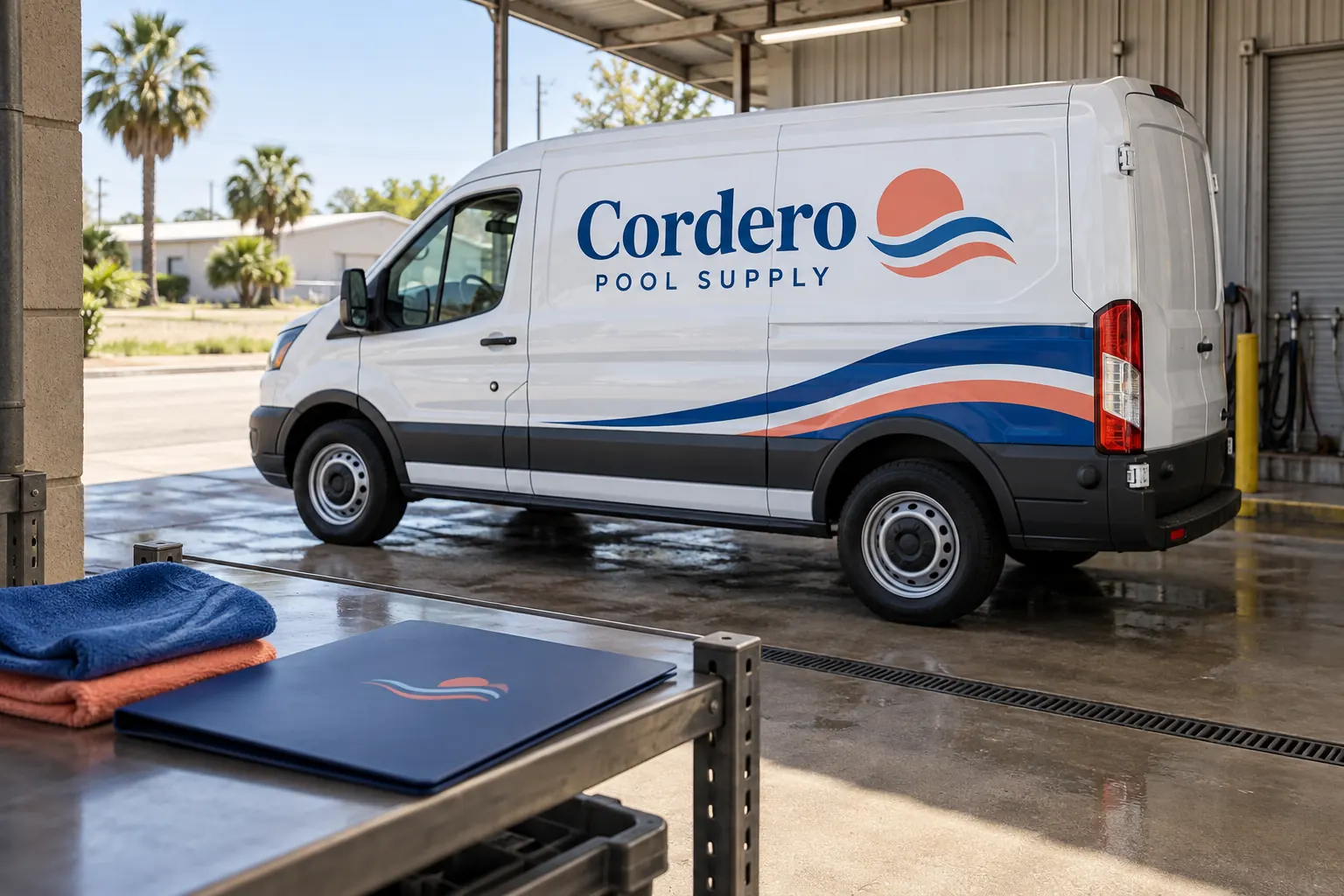
Original fictional commercial planning concept; not a completed customer installation.
Identify the vehicles and installed graphics sources
List the actual units covered by this handoff and the business contact confirming the mapping. Identify the installed graphics project reference and available system information supplied by its provider. Keep an unknown product or finish as a source question. A matching company identity across several vehicles does not establish that every unit has the same installed system or care documents.
Group units only where the actual source supports a shared instruction. Record exceptions and the owner who can clarify them. An illustrative mapping can identify unit W27, project P3 and care source pending from the installer. Those example values demonstrate the record without claiming a system is known. The real handoff should let the wash recipient identify which current instructions concern the vehicle in front of it.
Obtain the current written care package
Ask the installing provider which current care information applies to the actual graphics system and finish. Retain its document reference, version or supply date and clarification contact. Keep the actual project package findable rather than replace it with a familiar general internet article that may describe another product or region.
Manufacturer context supports this source step: Avery Dennison’s vehicle-wrap care bulletin 1.50, Revision 5, June 25, 2024 emphasizes providing written care instructions to the vehicle owner. Use the provider to identify what applies to your installed system. This worksheet carries those actual sources and questions; it does not create a replacement cleaning specification.
Name the recipient and the task it performs
Identify the internal team or actual wash provider receiving the package and the business contact coordinating the handoff. State which units and care task the recipient handles under the actual arrangement. A central fleet coordinator and an outside wash team may need different actions, even when they receive the same document reference.
Record how the recipient can raise a question about the supplied instructions. Keep actual vendor contact details through the business’s appropriate process and use concise references in a broadly shared summary. The objective is clear responsibility. Sending a care PDF to a general office address should not silently become evidence that the person performing the relevant task has received or understood the current unit-specific information.
Check that the recipient can find the correct care package
Use a bounded handoff check with the actual recipient role. Ask the recipient to identify the applicable package for one named unit through the business’s normal process. Record which document reference it located and whether that is the source identified by the custodian. Keep the exercise focused on finding the right information, with no request to demonstrate or change a wash method.
If the recipient finds an older attachment or cannot connect the unit with its package, record that specific gap and source owner. Correct the handoff reference and check the affected retrieval task again where needed. A useful outcome is a recipient who can identify the correct current document for the actual vehicle. Questions about a proposed pressure-washing departure belong in the separate method-exception record, linked from this handoff rather than reviewed a second time here.
Record receipt and remaining questions
Use the business’s normal communication process to establish the handoff status. Record which recipient role received the selected current package, which clarification it needs and who owns the response. Keep sent, received and unresolved statuses identifiable where those distinctions matter to the actual arrangement.
If a revised source or provider response changes the instruction, identify affected units and the recipient update. Retain the previous reference as history. A useful record allows the next coordinator to understand which package was current for a particular wash arrangement without reconstructing it from several attachments that all have similar filenames. The status should reflect the actual handoff evidence rather than an assumption that the latest message reached every participant.
Connect observations with the appropriate follow-up
Name the business contact receiving reports about visible graphics concerns and the actual installing provider or source to consult. Use the edge observation log or incident photo record for a defined condition report. Keep factual observations separate from a conclusion about the wash cause, technical condition or future treatment.
Record the relevant care source and available wash history when they help the provider assess the question. Identify unknowns honestly. The handoff record can support the inquiry without attempting to diagnose an issue or prescribe a repair. Keep the actual source response and next owner with the report so a later change to the care package is traceable to the real project discussion.
Keep the wash handoff usable through fleet changes
Use the local worksheet for unit-to-system mapping, current documents, recipient roles, retrieval gaps, actual handoff status and follow-up ownership. Retain files through the business’s normal process. Review the affected record when a unit’s graphics, wash provider or applicable source package changes. Keep history identifiable while making the current instruction easy to locate.
For Pelican Wraps, provide the actual unit and project references, installed-system information available, current photographs, relevant care documents and the specific handoff question. For new graphics work, send the real scope and evidence so care-source expectations can be discussed alongside the proposal. Use wrap care and maintenance for the broader resource. A useful lead or project question connects the person managing fleet care with the sources needed for a defined next assessment.
Draft and Download Your Working Record
Draft your entry, then download a copy before leaving. Send any project decision through the communication process agreed with your supplier.
Frequently Asked Questions
Take the Next Step with a Clear Project Brief
Continue with the resource that matches your next decision:
- Wrap Care & Maintenance
- Fleet Wrap Pressure Washing Exception Record
- Fleet Wrap Edge Inspection Log
- Fleet Wrap Care Responsibility Matrix
- Request a Quote
Send the actual vehicle or surface photographs, quantities, approved brand files, requested coverage and timing constraints. Identify open questions so the project review can address your equipment and business needs.
