
Fleet Wrap Edge Inspection Log
A fleet wrap edge inspection log records a visible observation, its exact vehicle and area, and the follow-up requested from the appropriate provider. Here, inspection means the business's observational record; it does not certify installation quality or determine a technical cause. Use the log when a driver or care contact notices an edge concern and needs to make it findable. The useful result is a factual report with current views, source references and an owner for the next assessment.
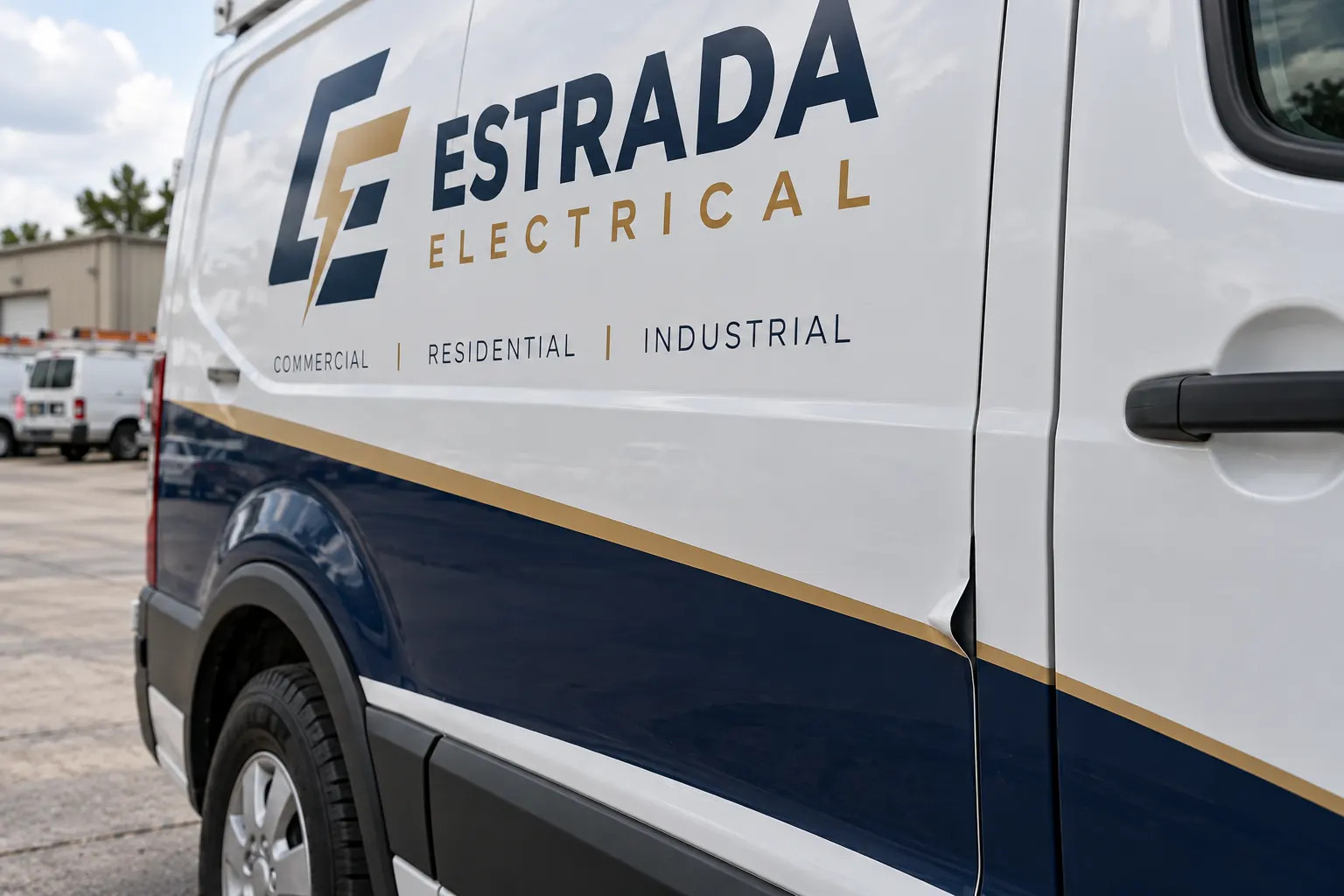
Original fictional commercial planning concept; not a completed customer installation.
Identify the actual unit and observation source
Record the fleet identifier, project reference when known, observation date and reporting business role. Connect the entry to the actual vehicle. Keep a generic fleet description or an image of a similar unit identifiable as reference rather than evidence of this observation. A clear unit match gives the receiving contact a useful place to begin.
Use the business’s normal authorized process to obtain current views. Keep the report proportional to what the observer can actually establish. An illustrative entry could identify unit E27, a reported left rear graphics edge concern and current photographs requested. Those example values demonstrate the record structure. The actual source should supply its own facts and leave missing evidence visible instead of making the entry appear complete through guesswork.
Locate the edge in its wider graphic context
Provide an overall view identifying the relevant side or area and a useful closer view of the concern. Give each photograph a reference linked to the unit. Record which edge or instance the observer means in ordinary language. Several similar boundaries on a large graphic can make a general note about the back edge hard for the provider to locate.
Keep the original evidence files and separate planning annotations where used through the business process. A close view can support a specific question while omitting information about the surrounding panel. Ask the provider what further evidence or assessment is needed. The log’s job is to connect the observed location with the actual unit rather than turn the image into a production measurement or a technical test.
Describe what is visible without probing the film
Write the observation in factual language, identifying what the supplied view shows and what remains uncertain. An illustrative note might say corner appears raised in photograph B, review requested. That is an observation for assessment, not a finding about adhesion, installation method or the cause of a change. Keep the actual wording aligned with the evidence.
Maintain the distinction between observing the area and manipulating the graphics. The log is a reporting tool, not an instruction to lift, pull or repair film. The person collecting the record can make the concern findable while the appropriate provider assesses what it means. Record unobserved areas as unobserved rather than use one image to imply that the entire wrap has passed a condition inspection.
Connect the observation to applicable project sources
Retain available installed-system, care and earlier project references with the question. Ask the actual installing provider which source information is relevant. Keep unknown product, finish or history explicit. A familiar company layout should not become the only basis for assuming the same care instructions apply to every vehicle in the fleet.
For manufacturer context, Avery Dennison’s vehicle-wrap care bulletin 1.50, Revision 5, June 25, 2024 directs owners to the installing company for assessment when graphics appearance deteriorates. Use the actual provider and applicable system sources for the real concern. Keep any supplied history factual rather than infer a cause from the timing of a wash or another event.
Assign the report and actual response owner
Identify the business contact responsible for routing the concern and the relevant provider contact or current project channel. Record the question, available evidence and current status. A reported item should remain distinguishable from a received response or an assessed next action. Use the real communication references the parties normally retain.
If more evidence is requested, identify the specific gap and person obtaining it. Keep the existing observation and source photographs together. A useful log avoids a cycle in which each new message repeats the general concern but loses the unit, edge location or current question. The receiving provider should be able to understand what the business wants assessed and which information has actually been supplied.
Record the actual follow-up and later observations
Retain the source response and its scope against the entry. Identify any actual assessment or work reference and the next owner. Keep a pending question visible while the project process continues. A reply acknowledging the report is not the same status as an assessment conclusion or completed physical work.
If the business records a later observation, give it a new date and evidence reference linked to the earlier entry. Preserve the original record as history. Keep the actual provider instruction current rather than replace it with a guessed remedy. This lets the coordinator follow the concern through its real stages and avoids rewriting the earlier evidence to make it appear that a later decision had already been known.
Use the log for a precise service question
The local worksheet captures the unit, observation source, exact area, overall and detail evidence, relevant project history, report status and follow-up. The business can use its actual care process to select when observations are recorded; this page does not invent an inspection frequency for every graphics system. Retain current documents and actual responses through the normal process.
For Pelican Wraps, provide the actual unit and project reference, current views showing the area, factual observation and known history. Ask for the next appropriate assessment through the project process. Use wrap care and maintenance for broader resources and the damage service where the actual request concerns replacement work. A useful report turns a vague edge concern into a clear source-linked conversation without pretending that a fictional close-up or a coordinator’s log establishes the technical outcome.
Draft and Download Your Working Record
Draft your entry, then download a copy before leaving. Send any project decision through the communication process agreed with your supplier.
Frequently Asked Questions
Take the Next Step with a Clear Project Brief
Continue with the resource that matches your next decision:
- Wrap Care & Maintenance
- Fleet Damage & Panel Replacement
- Fleet Wrap Incident Photo Checklist
- Fleet Graphics Wash Provider Handoff
- Request a Quote
Send the actual vehicle or surface photographs, quantities, approved brand files, requested coverage and timing constraints. Identify open questions so the project review can address your equipment and business needs.
