
Wrap Repair Versus Replacement Cost: Scope the Affected Area First
A damaged graphic does not automatically require a full rewrap, and an available file does not automatically make a small repair appropriate. Compare the affected area, surrounding condition, artwork, material records and business identity before choosing the scope.
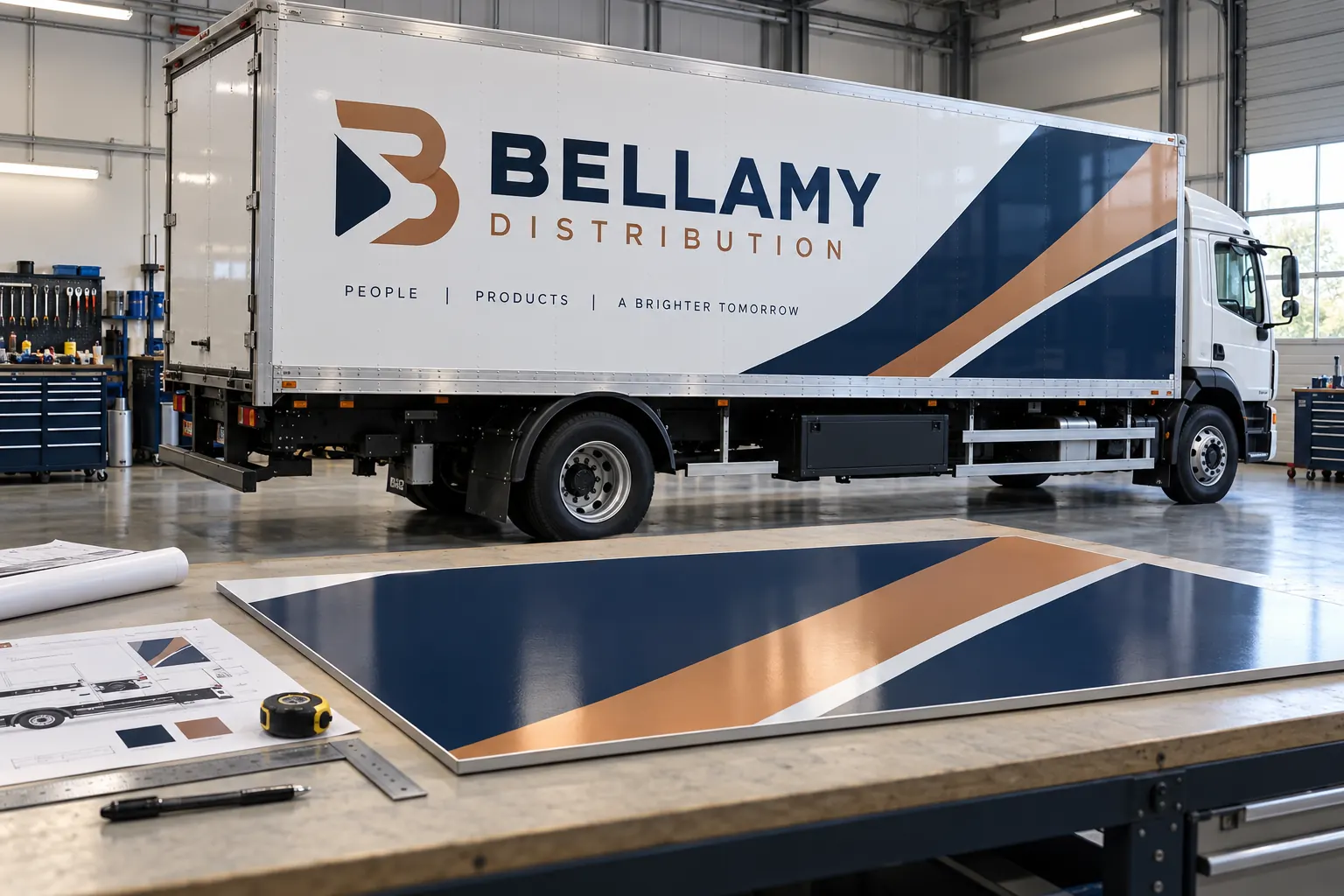
Illustrative planning concept; not documentary customer photography or a product performance test.
Separate graphic damage from underlying vehicle repair
Photograph the whole vehicle, the affected face and close details of the damage. Identify any known impact, body repair, repainting or coating concern. The graphics review needs to know whether the substrate is ready or whether another responsible party must address the vehicle first.
Do not treat a printed replacement panel as a repair to damaged paint or bodywork. Keep those responsibilities separate and resolve readiness before installation. If the condition beneath the graphic is unknown, record it as an uncertainty. A useful scope begins with the actual damage and surface, rather than choosing repair or replacement from a cropped photograph that hides the surrounding area.
Map the affected graphic against the original layout
Identify which panel, seam, message or identity element is interrupted. A small physical defect may affect a central company name, while a larger damaged area may sit within a defined replaceable section. Use the retained artwork and installed photographs to understand the original composition before deciding the extent of the graphics work.
Record whether the damaged section can be defined cleanly within the accepted layout and material system. Avoid assuming that every image can be recreated as an invisible patch. The actual installed construction and condition need review. Fleet damage and panel replacement is the service route for a unit-specific enquiry with these records attached.
Review surrounding age, condition and identity changes
Look beyond the damaged location. Record fading, lifting, cracking or previous repairs elsewhere and identify whether the company name, contact details or services have changed since the original installation. Reproducing an old file can preserve outdated information even when the damaged panel is physically limited.
Compare the immediate repair goal with the useful condition of the rest of the identity. A broader replacement may deserve review when several areas or business details need attention, while a focused replacement may fit a clearly bounded issue. These are planning considerations, not a universal rule that a certain damage size requires one outcome. The decision should follow the actual vehicle and accepted scope.
Use material and artwork records to define the options
Provide the original file version, product references, installation date if known and any earlier repair records. Those details help identify what was installed and what a replacement would need to address. If the material or file is unknown, say so instead of choosing a visually similar product and calling it an exact match.
Appearance can vary between an existing installation and newly produced work. Discuss the actual matching requirement and review the available options without promising an invisible result from a screen image. The color consistency guide supports that conversation. Keep the proposed material and layout in the accepted replacement record so the next repair does not begin with the same missing information.
Compare three clearly defined scope options
Where suitable for review, distinguish a focused graphic-section replacement, replacement of the affected face or panel group, and a broader vehicle rebrand or rewrap. Ask what each option includes for removal, preparation, artwork and installation. Do not compare an undefined patch with an all-inclusive new vehicle identity as though the only difference were printed area.
Record the commercial reason for each option. One may address an immediate defect, another may restore a coherent face, and another may update a wider obsolete identity. The review should explain the boundaries and uncertainties rather than force one answer before the surface and surrounding condition are known. Use current photographs for every option, including any repaired body panels.
Include downtime and approval responsibilities
Provide release windows and the contact who can approve the final scope. If bodywork or paint is involved, identify the responsible repair party and the information needed to assess readiness under the selected graphic system. Keep the repair completion target distinct from a confirmed graphics appointment.
Record delivery, collection and any internal operating impact alongside supplier proposal amounts. Ask how the scope changes if additional condition concerns are found. A clear decision owner helps prevent an asset from remaining unavailable while the project waits for conflicting instructions. The removal cost guide can help define the work that precedes a replacement when older graphics must be cleared.
Choose the option and update the unit record
Review the expected appearance, actual included work, surrounding condition and operational plan together. Confirm the accepted material, layout, removal and preparation responsibilities. Retain the replacement artwork and photographs with the unit identifier, noting what changed and what original graphics remain.
For the next enquiry, that record will be more useful than a vague note that the truck was repaired. To begin, send a damage replacement brief with the unit number, all-side and close photographs, original records and target timing. If the business is using the repair as a larger identity change, also review fleet rebranding planning so an immediate panel decision supports the intended fleet standard.
Frequently Asked Questions
Turn Your Vehicle Details Into a Clear Project Brief
Send current photographs, vehicle quantities, logo files, coverage preferences and timing. Identify old graphics and paint concerns so the project review can address the actual equipment.
Explore planning resources or request your commercial wrap quote.
