
Wrap Versus Paint for Commercial Vehicles: Compare the Job You Need
Choose around the business objective and the actual vehicle condition. A graphic wrap can carry a commercial identity, while paint work addresses a different vehicle-finishing scope. Define the required result before comparing two prices that may describe different jobs.
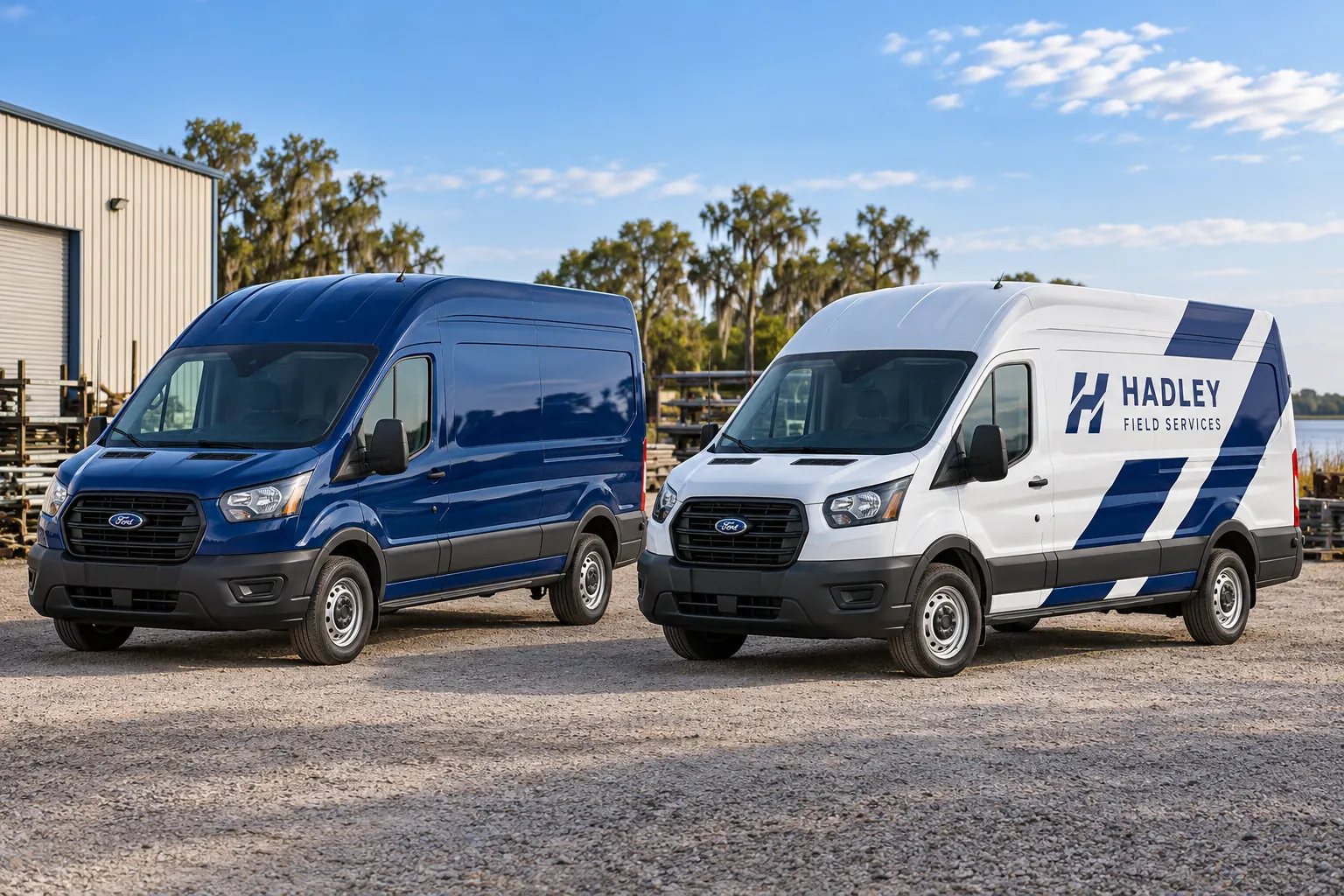
Illustrative planning concept; not documentary customer photography or a product performance test.
Define whether the priority is identity or vehicle finishing
A business may want a readable company identity, a different overall appearance, a repair to damaged coating or several of those outcomes. Separate them in the brief. A printed commercial design and a paint-refinishing proposal are not automatically two methods of delivering the same complete result.
Write the actual end goal: for example, an accurate brand across several white work vans, or a vehicle that needs body and paint attention before any identity is applied. These are different starting points. If both finishing and graphics are needed, plan the responsibilities as connected stages instead of forcing the project into an artificial choice that leaves one of the required tasks undefined.
Compare the starting condition before the visual options
Provide current all-side photographs and close images of scratches, rust, dents, repairs or coating concerns. Identify known repainting and previous graphics. A wrap design does not repair an unsound surface, and the hidden condition beneath older film may require further assessment before readiness can be confirmed.
Avery Dennison describes paint condition as an important consideration in its vehicle wrap selection overview. Use the actual film and coating guidance for the proposed job rather than assuming every vehicle is suitable for graphics. Where repair work is needed, establish the responsible party and required records before scheduling the later graphics stage.
Evaluate how the commercial message will be created
If the objective is a logo, service message and contact route, compare how that information appears in each complete proposal. A simple new paint finish may still need separate lettering or graphics to identify the business. A printed wrap can incorporate a broader composition, but its included surfaces and production scope must also be defined.
Use the vehicle-wraps hub to review the actual commercial coverage options and compare lettering or partial wraps when they fit the message. The best commercial brief explains the required identity without assuming that maximum coverage or a particular finish category is automatically necessary.
Consider future changes without promising an unchanged surface
List the changes the business may reasonably expect: new contact details, a rebrand, another vehicle model, ownership transfer or a later replacement of one damaged section. Ask how each proposed scope would support those changes and what additional work would need review. Keep the discussion tied to the actual system and vehicle.
Do not treat removability as a universal guarantee that every coating returns unchanged or that all graphic sections can be replaced invisibly. Equally, do not assume a paint proposal includes future identity updates. The useful comparison records the intended life of the business message and the responsibilities for later changes, with relevant limitations identified in the actual product and project terms.
Compare the full sequence and operating plan
For each option, list inspection, repair or preparation, design, finishing or graphics production, installation and the vehicle return process where applicable. Identify the responsible party for each stage. Two headline totals can describe very different end points and leave later work outside the apparent comparison.
Provide release windows, delivery and collection arrangements and any fleet operating constraints. Ask the relevant suppliers to state their actual scope and schedule assumptions. Avoid universal claims that one method is always cheaper or faster. The vehicle, surface condition, message, coverage and agreed work determine the comparison; a broad internet statement cannot replace a defined proposal for a working commercial asset.
Use three practical decision scenarios
For a sound vehicle needing a business identity, compare lettering, partial and full graphic options against the same message. For a vehicle with unresolved body or paint concerns, address the finishing assessment before treating graphics as ready to install. For a mixed fleet with different body colors, review how each proposed identity system adapts across the actual units.
These scenarios organize the decision; they do not establish a universal technical or financial outcome. Use the commercial wrap cost guide for graphics scope and obtain the relevant separate finishing proposal when required. Keep any internal operating costs visible in the business budget so the decision includes more than the printed area or paint description alone.
Approve the chosen responsibilities and keep the records
Confirm the intended appearance, current business wording, included surfaces, material or finishing scope and preparation responsibilities. Record who accepts vehicle readiness and who approves the identity artwork. If several suppliers are involved, make the stage handoff explicit rather than allowing each to assume another party has checked the surface or schedule.
Retain the accepted files, product information and photographs with the vehicle record. Future changes should begin with that history and current condition images. To discuss the graphics side, send a commercial vehicle brief with the objective, vehicle list and paint concerns. The review can then focus on the identity the business needs and the conditions that must be resolved to deliver it.
Frequently Asked Questions
Turn Your Vehicle Details Into a Clear Project Brief
Send current photographs, vehicle quantities, logo files, coverage preferences and timing. Identify old graphics and paint concerns so the project review can address the actual equipment.
Explore planning resources or request your commercial wrap quote.
