
High Roof Van Graphics Sightline Planning
High roof van graphics sightline planning asks where the important message belongs for the people who actually see the vehicle. Extra body height creates more design area, but it does not settle the hierarchy. Use current photographs, a defined audience and a short review record to compare the name, service descriptor and contact action. Keep physical surface and installation decisions tied to the actual project assessment.
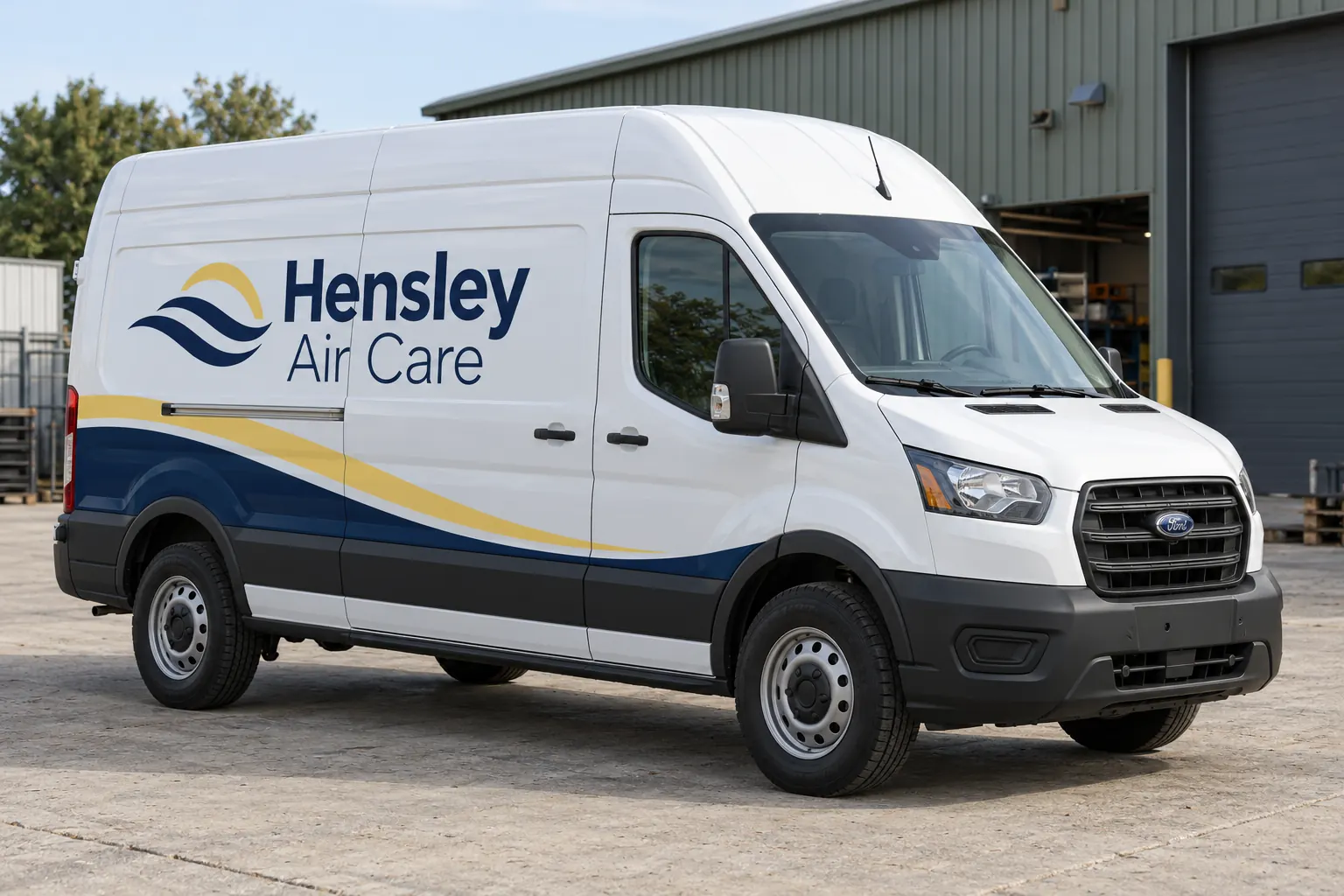
Original fictional commercial planning concept; not a completed customer installation.
Choose the viewer before choosing the upper panel
Identify the ordinary audience and viewing situation. A person at a customer entrance, a pedestrian beside a parked van and a facility contact across a yard can see different parts of the body. Choose the situations relevant to your business rather than assuming the highest available panel is automatically the best place for the company name.
Write down what each selected viewer needs to recognize first. Keep the exercise focused on the public message, not a promise that one layout will be readable from every distance or position. A useful brief might prioritize company recognition in a parked side view and a clear contact route at the rear. That gives the designer a real hierarchy to assess instead of an undefined instruction to fill the tall blank area.
Collect actual views at ordinary standing positions
Provide current side, front, rear and relevant three-quarter photographs. Use normal safe access and identify the unit and view. Avoid relying only on a low dramatic photograph that makes the upper body look unusually prominent. If a reference comes from another van, label it clearly and state which actual details remain unconfirmed.
Include racks, windows, roof equipment and accessories that affect what is visible. Mark planned changes. The fictional Hensley Air Care concept illustrates a restrained middle-body identity on a tall van, but it is not a measured survey. Your project needs its own configuration and current condition information before placement and coverage are treated as settled.
Separate essential text from supporting visual area
List the company name, accurate service descriptor and approved contact action as separate message components. Identify which must work together and which can be secondary. Ask the provider to show how the proposed hierarchy uses the actual body rather than allowing decorative graphics to force essential wording into a narrow leftover strip.
Review the available height in relation to the full composition. A larger upper visual element and a lower contact line may be one direction; another project may need a different balance. The buyer’s task is to state the communication priority and supply evidence. Do not invent a universal text height or placement formula from a single attractive example, especially when the fleet includes several roof and door configurations.
Use a view-by-view observation card
Create a short card with the unit, intended viewer, photograph reference, essential message and observed concern. For example, the parked side view may show the company name clearly while the rear reference reveals a contact line divided by door hardware. Keep each observation linked to the relevant image and proposed proof.
Replace vague feedback such as “use the height better” with a concrete question about the actual message. Ask whether an essential descriptor is competing with a large symbol or whether a rack obscures the upper name in the intended view. Keep factual wording corrections separate from visibility concerns. This lets the designer address the right problem without guessing which part of the composition the business wants to prioritize.
Compare layouts within the same defined coverage
Ask for any comparison to use the same actual vehicle, approved wording and stated areas. A lettering direction and a broader partial treatment can have different scopes; identify those differences rather than treating every rendering as the same offer. Check the side and rear independently while keeping the identity coherent across both.
Record the included artwork work, body adaptations, existing graphic removal and installation arrangements in the proposal discussion. A large high-roof image does not establish that every upper or roof area is included. Keep optional areas and unresolved surface questions visible. The useful choice is a reviewed message and scope, not simply the concept containing the greatest amount of color.
Record the body version and review triggers
Retain the selected proof and the actual photograph set with the high-roof body reference. Identify the message priorities and equipment that influenced the decision. When another model or roof configuration enters the fleet, ask which assumptions remain applicable and what needs another review. A shared brand does not make a different body a direct copy of the first layout.
Review affected files when racks, windows, contact wording or branch assignments change. Keep retired references separate from current reorder instructions. The next buyer should be able to see why the name and contact route were arranged as they were, rather than treating an old proof as a universal template for every tall van the business might purchase.
Turn the sightline review into a clear inquiry
Use the working record below to capture the unit, viewer, relevant views, message hierarchy, observed conflicts and approval owner. Save the text and retain actual photographs and brand sources through your normal project process. The record organizes a layout question; it does not establish a visibility guarantee, measurement or installation approval.
For Pelican Wraps, send the real van details, current photographs, approved identity files, desired coverage and sightline observations. State whether this is one unit or a controlled fleet group. Use the broader van and fleet design resources for the overall program while keeping this inquiry focused on how the tall body should support your business message in the relevant ordinary views.
Draft and Download Your Working Record
Draft your entry, then download a copy before leaving. Send any project decision through the communication process agreed with your supplier.
Frequently Asked Questions
Take the Next Step with a Clear Project Brief
Continue with the resource that matches your next decision:
- Van Wraps
- Vehicle Ladder Rack Graphics Visibility Guide
- Fleet Wrap Design Standards
- Commercial Vehicle Photo & Measurement Guide
- Request a Quote
- Vehicle Wraps
Send the actual vehicle or surface photographs, quantities, approved brand files, requested coverage and timing constraints. Identify open questions so the project review can address your equipment and business needs.
