
Reflective Vehicle Graphics: Compare Visibility, Branding and Required Markings
Decide what reflective elements are intended to do before selecting a product or layout. Optional reflective branding, required conspicuity markings and ordinary printed identity need distinct reviews, even when they appear on the same working vehicle.
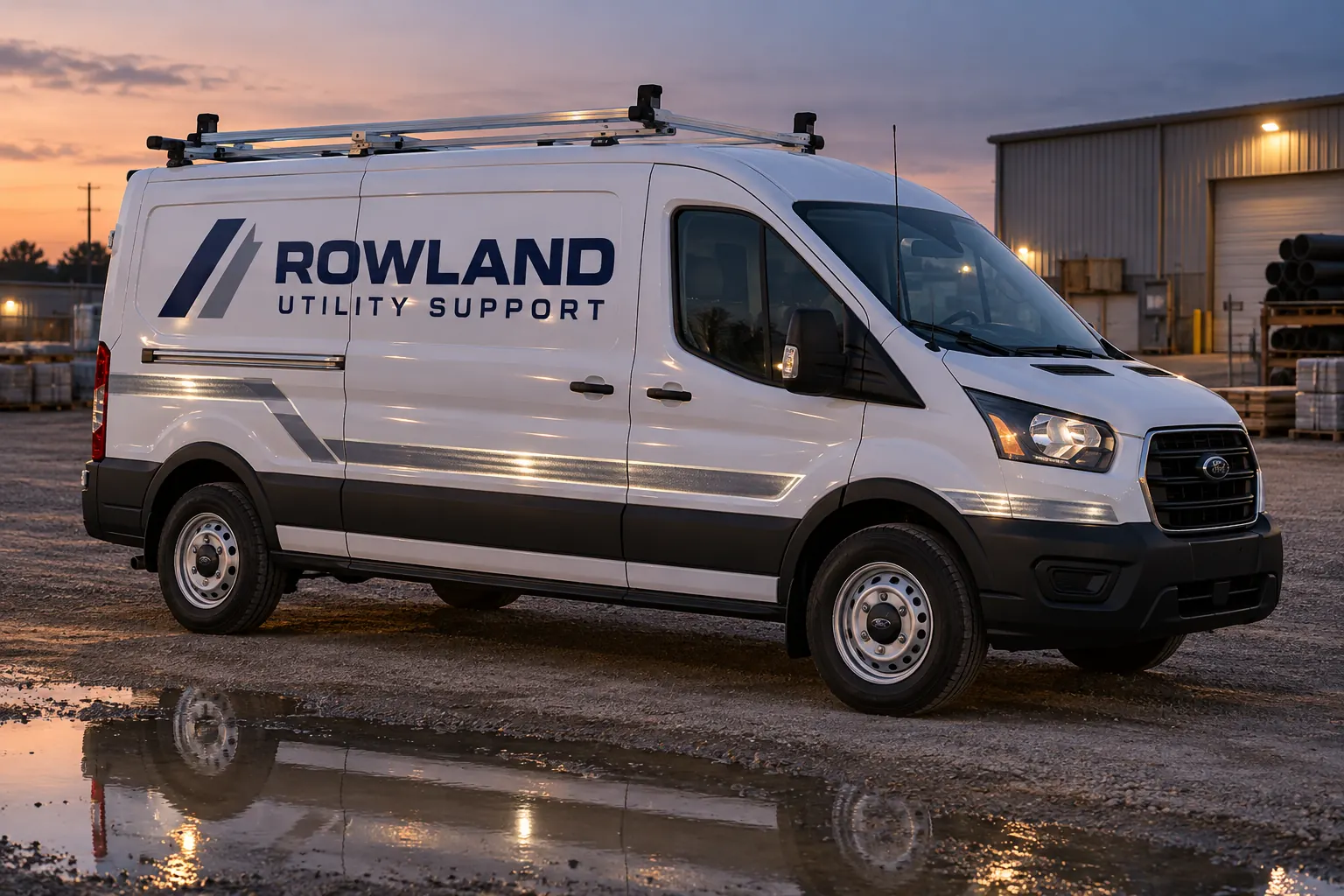
Fictional commercial wrap design concept; not a completed customer installation.
Define the reflective element purpose in the brief
Describe the vehicle, working setting and message you want the reflective element to support. A company identity visible under relevant lighting, a unit identifier and a regulated conspicuity system are different project purposes. State which of them the enquiry concerns instead of using reflective as a complete specification.
List the affected units and faces and identify who owns any operational or regulatory requirements. A commercial graphics discussion can then separate optional brand treatment from information or markings that need a defined technical review. The fictional utility-support van shown here illustrates a restrained identity concept. It is not a documented safety system, agency vehicle, approved marking arrangement or measured demonstration of real-world visibility.
Understand reflection without promising constant illumination
Retroreflective material returns incident light toward its source; the observer and light relationship matters. 3M explains the underlying retroreflection principle. A reflective graphic is not an internally powered light, and a bright illustration cannot establish how a selected vehicle product will appear from every position in every environment.
Review the actual proposed product and relevant viewing conditions. Keep daytime identity and the intended illuminated appearance within the same discussion, while recognizing they are different checks. Avoid unsupported promises that a graphic glows continuously, replaces vehicle lighting or guarantees detection. The useful purchasing question is how the specified system supports the defined purpose on the actual asset.
Separate commercial identity from regulated conspicuity
A reflective logo or decorative stripe should not be assumed to satisfy a requirement for a particular marking system. Ask the responsible fleet contact to identify any applicable requirements and the relevant vehicle category. Preserve the required lights, reflectors, warnings and marking areas in the layout and review optional graphics around them.
Use the carrier and unit-marking guide for data ownership questions. It serves a different purpose from deciding the appearance of a reflective business name. Where a specified conspicuity product or configuration is required, the accepted scope must identify that requirement rather than substitute a similar-looking film or an attractive generated concept.
Select the named product for the actual surface and construction
Provide the vehicle configuration, substrate, condition and intended coverage before accepting a reflective material proposal. Ask for the actual product reference and relevant application guidance. Reflective is a broad description, not proof that every film can be printed, formed, layered or installed over every body detail in the same way.
The 3M reflective fleet graphics overview is a product-category starting point, not a substitute for the selected system specification. Connect material review to body-detail planning where seams, curves or hardware affect the intended area. Keep exclusions and unresolved fit questions visible in the proposal.
Build a readable identity before expanding the reflective area
Choose the information that needs priority: the business name, a short service description or a unit reference. Evaluate its size and clear area on the actual vehicle face. A restrained accent can fit a brand system, while adding more reflective shapes does not automatically improve the hierarchy or make a crowded message easier to understand.
Use the real photographs and dimensions to review the relationship between optional graphics and working equipment. Keep important text clear of disruptive hardware and protected areas. Compare partial coverage with lettering and decals when selecting the broader identity scope. Coverage and reflectivity are separate choices that should be described individually.
Review proofs and samples for the decision they can support
Check wording and layout in the artwork proof and discuss physical samples or other relevant product references where available. An on-screen rendering can help explain composition, but it is not a measurement of the final graphic response under actual headlights, viewing angles, weather or surface conditions. Label illustrations so the decision-maker understands their role.
Record the approved product, colors, construction and placement with the final version. If the project changes from ordinary film to a reflective system, review production and installation assumptions rather than treat it as a simple screen-color replacement. The accepted scope should describe what is actually being supplied and any conditions that still require confirmation before work is released.
Retain the care and replacement record for the selected system
Give the responsible fleet contact the maintenance guidance for the actual installed product. Record unit references, installed locations and photographs so later damage or identity changes can be reviewed against the original specification. A replacement should be assessed against current condition as well as retained artwork, particularly when adjacent graphics have aged.
For the initial review, send a reflective graphics brief with the vehicle list, photographs, intended purpose and any required marking references. See the reflective graphics application page for the service route. The enquiry can then connect commercial identity, product suitability and actual operational requirements without inventing a safety certification or guaranteed result.
Frequently Asked Questions
Turn Your Vehicle Details Into a Clear Project Brief
Send current photographs, vehicle quantities, logo files, coverage preferences and timing. Identify old graphics and paint concerns so the project review can address the actual equipment.
Explore planning resources or request your commercial wrap quote.
