
Leased Commercial Vehicle Wraps: Plan Permission, Records and Return
Build the graphics scope around the actual vehicle agreement and owner requirements. Confirm what is permitted, document the starting condition and plan the eventual removal or handover before treating a leased vehicle like an owned fleet asset.
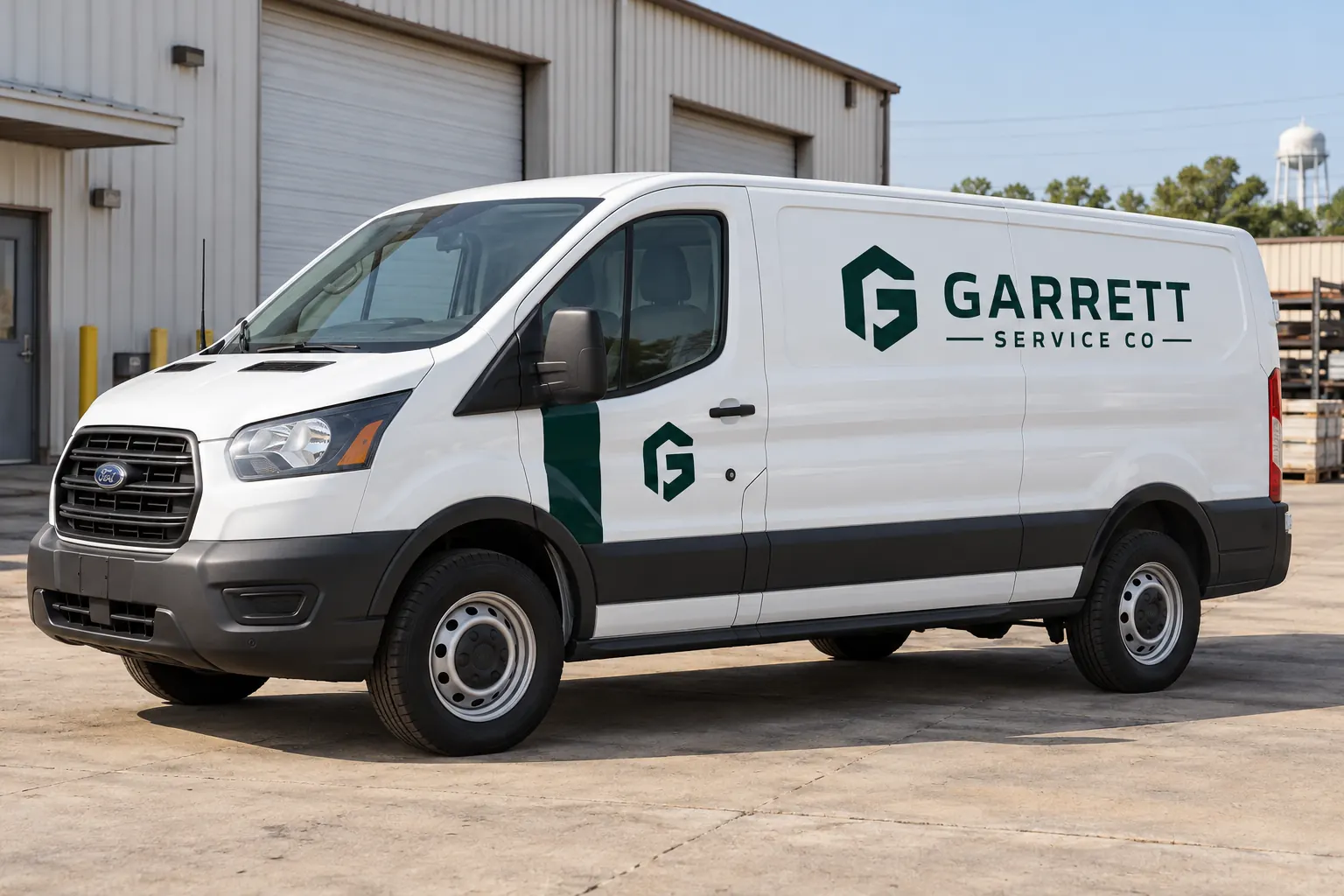
Fictional commercial wrap design concept; not a completed customer installation.
Begin with the actual agreement and responsible owner
Identify the vehicle owner or lessor and the agreement governing the asset. Ask the responsible contact what approval is required for the proposed graphics and retain the response with the project record. Do not infer permission from another leased vehicle, a manufacturer illustration or a general statement that wraps are removable.
Define the intended coverage and identity so the permission discussion concerns the actual proposed change. Keep legal interpretation and contract decisions with the responsible parties. The graphics project should follow confirmed requirements rather than invent a universal rule that every leased van or truck can be wrapped under the same conditions.
Record return expectations before choosing the graphic scope
Identify the expected return or transfer process and any requirement to remove the business identity. Ask what condition or documentation the responsible owner expects and how that will be assessed under the actual agreement. A planning date for vehicle return should be visible early enough to discuss the preceding graphics work.
Ford Credit, for example, directs customers to their agreement and wear/use guidance on its lease-end information page. That example is not a rule for every commercial lease. Use the requirements that actually govern this asset rather than transfer another provider terms or a broad online statement into the project assumptions.
Document the starting condition and vehicle history
Photograph the vehicle before new graphics and record known repairs, repainting, old film and visible coating concerns. Identify the actual configuration and any owner-supplied information relevant to the surface. Keep unknown condition labeled, especially where older graphics conceal the paint.
Use the photo checklist and surface-condition guide to organize the review. A condition record supports later discussions without guaranteeing an unchanged finish or proving which party is responsible for every concern. The actual agreement, product and asset history need to remain distinct from the design approval.
Choose coverage and materials around the real project
Review the approved message, intended faces and actual vehicle geometry. Lettering, partial coverage and fuller printed graphics are different scopes, but none should be treated as automatic lease approval. The selected material system and surface need review for the actual use and intended future removal discussion.
Use lettering or partial wraps when they fit the business identity. Ask the proposal to identify its material, preparation and coverage assumptions. Do not promise a particular removal outcome from a category word or an appealing concept image, and do not confuse a graphics product term with the lessor acceptance requirements.
A leased-asset graphics record
| Stage | Keep with the unit |
|---|---|
| Permission | Actual owner requirements and confirmation |
| Starting condition | Photographs, repair and old-graphic history |
| Installed scope | Accepted coverage, artwork and products |
| Return plan | Removal, review and handover responsibilities |
Assign removal and end-of-term responsibilities
Decide who organizes the later removal, who authorizes the work and how exposed condition will be reviewed before handover. Keep removal, adhesive work, body or paint repair and final owner acceptance as separate responsibilities unless the accepted scope expressly combines them. A new graphics price should not silently imply that every later task is included.
Use the removal guide and removal scope comparison for that plan. Record the relevant dates and contact details in the asset history. A vehicle returning at the end of a term needs a defined coordination process, not a remembered assumption that the installer will automatically handle the entire return.
Coordinate approvals, vehicle release and changed conditions
Keep the owner permission, business artwork approval and operational data confirmation linked but distinct. Identify the people who can accept a changed scope or surface question. If the vehicle is repaired, repainted or transferred during the graphics project, update the record and review the effect before proceeding from older photographs or permission assumptions.
Record release windows, delivery and collection arrangements and the actual target handover. The release planner can organize proposed dates but does not notify the owner, interpret the lease or book supplier capacity. Confirm actual arrangements through the responsible project process and retain the accepted decisions with the vehicle record.
Keep the evidence needed for the next handoff
Retain starting-condition photographs, confirmed permission, accepted artwork, product references and installed images. Add repairs, damage, later graphic changes and removal findings as the vehicle history develops. Those records give the end-of-term discussion a clearer basis without guaranteeing that no charge, repair or other issue can arise under the agreement.
For an initial graphics review, send a leased-vehicle brief with the vehicle details, proposed coverage, current photographs and confirmed owner requirements. Identify unresolved permission or return questions honestly. The review can then define the graphics work around the actual asset and authorization rather than a universal claim about all leases.
Frequently Asked Questions
Turn Your Vehicle Details Into a Clear Project Brief
Send current photographs, vehicle quantities, logo files, coverage preferences and timing. Identify old graphics and paint concerns so the project review can address the actual equipment.
Explore planning resources or request your commercial wrap quote.
