
Tanker Truck Graphics & Commercial Branding
A tanker needs a branding plan fitted to its actual tank, cab and working equipment. Large curved surfaces can carry a clear identity, while access points and existing information need a deliberate review. Pelican Wraps starts tanker graphics inquiries with the vehicle photographs, proposed message and a defined surface assessment before recommending the coverage.
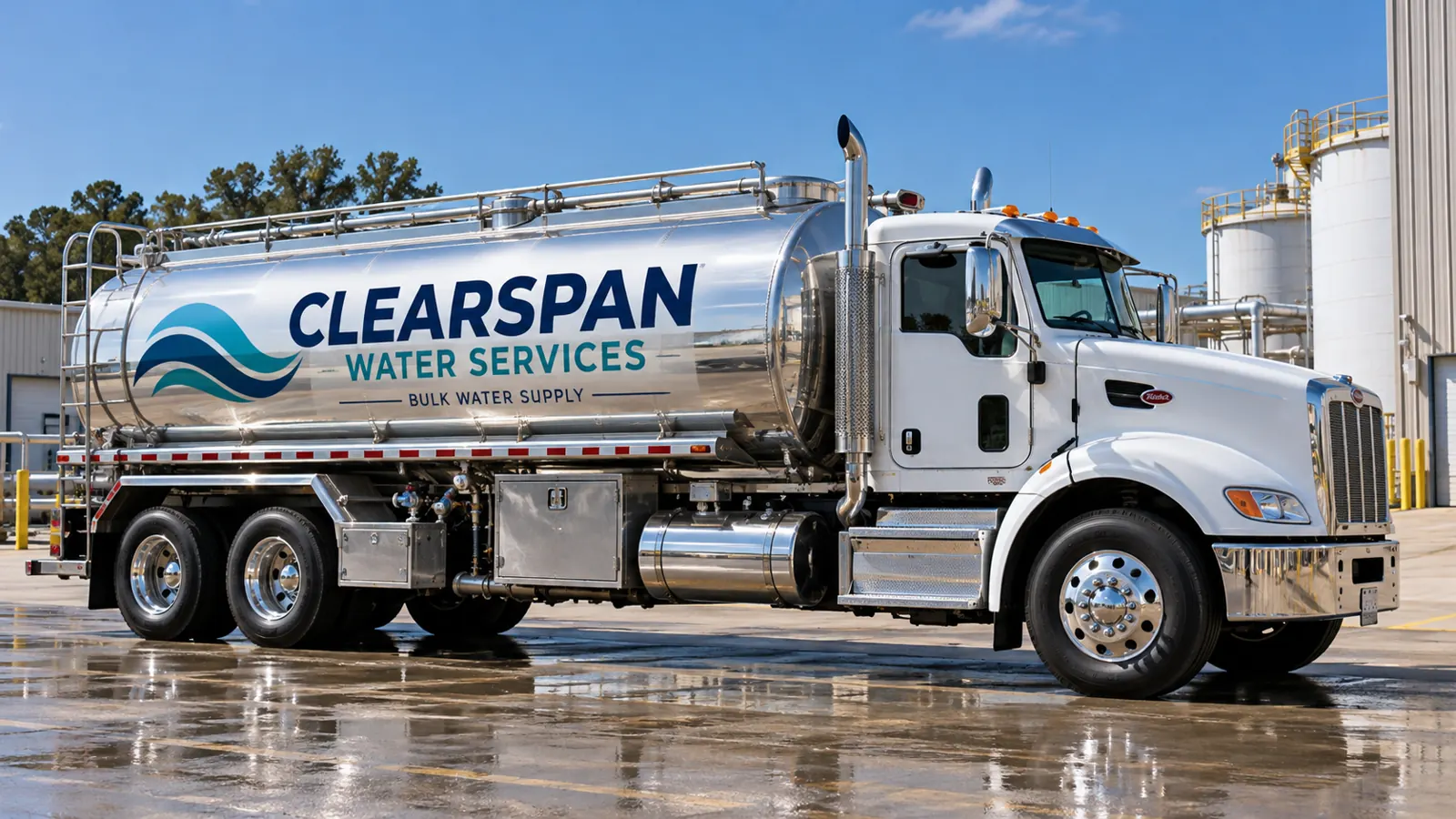
Fictional commercial wrap design concept; not a completed customer installation.
Document the tank and the cab as separate surfaces
Send overall views of both sides, the front and rear, along with close photographs of the tank finish and the cab panels. Identify the vehicle configuration and whether the tank or trailer can be released separately. Describe coatings, existing graphics, repairs and any information available about the intended application surfaces.
The cab and tank do not have to use the same physical layout to share an identity. Review how the business name and service description should appear on each. A broad side view can conceal fittings or changes in curvature, so include detail images rather than relying on a single attractive photograph. The initial scope should identify which parts need inspection or measurement before production.
Choose a brand hierarchy that suits a rounded body
Start with the approved operator identity and a plain description of the business where it is useful. Decide which details need to be recognized quickly and which can be read at close range. Review the message from the intended side and rear views. A tanker’s outline and visible panel area call for their own layout instead of a stretched box-truck design.
Keep the contact route controlled across the cab and tank. If the owner, operator and customer-facing brand differ, provide the approved wording and assignment. The designer should not infer the relationship from an old photograph. A clear brief makes it possible to evaluate a restrained lettering treatment as well as any broader printed graphic being considered.
Map fittings, access points and information to preserve
Photograph rails, ladders, hatches, valves, cabinets, hoses and other equipment that affects the proposed area. Explain which components move or require routine access. Mark the usable branding surfaces on the review drawings so the layout is connected to the working equipment. A decorative panel should not create uncertainty about an access point.
Identify existing owner, asset, operating and required markings separately. Supply the applicable approved information and the responsible reviewer where those items are involved. Keep that review distinct from the decorative graphics approval. The proposed illustration is a design direction; the installation scope must be based on the actual vehicle and its authorized requirements.
Review material suitability for the actual tank finish
Describe the tank substrate and finish as accurately as the owner’s records allow. Include previous coatings, polishing, repairs and existing film. State the normal operating and cleaning conditions and any surface-temperature information relevant to the requested area. These details help identify the assessment needed before a material system is proposed.
A commercial graphics quote should specify the intended surfaces and system rather than treating every tanker as the same application. Ask which checks or information are outstanding and who will supply them. Review material and specification questions alongside the proposal. The agreed scope and written product instructions should govern the work, not an assumption based on another vehicle’s appearance.
Compare selected-area branding with broader coverage
A company name, logo and limited graphic treatment may meet the identity goal while leaving the tank finish visible. A more extensive printed approach needs its own suitability and fit review. Compare the options using the same approved message and show the proposed boundaries. Avoid choosing the scope solely from the size of a generic side illustration.
Ask the proposal to distinguish the cab, tank, rear areas and any separate equipment panels. Include artwork adaptation, existing-graphic removal, preparation and installation responsibilities. If the fleet contains different tank configurations, identify which bodies need separate layouts. The lettering service and coverage guide provide useful comparison routes for the discussion.
Organize a tanker fleet around unit records
Build a register with the cab and tank or trailer identifiers, operating bases, configuration differences and approved artwork revision. Connect photographs and final proofs to those records. If equipment is reassigned or paired differently, identify which contact and identity rules remain fixed. This helps prevent a repeat order from being fitted to the wrong asset.
Plan release with the responsible operations contact and describe the equipment’s readiness and any site requirements. Confirm the agreed inspection and installation arrangement before moving a vehicle. For recurring changes, retain production references and completed views in the fleet record. Use graphics management to organize later additions and replacement reviews for damaged graphics.
Request a tanker graphics assessment with the right evidence
Provide the equipment details, tank and cab photographs, quantity, proposed coverage, approved identity and artwork status. Explain current graphics, surface information, working access and the desired timing. Identify the people responsible for the vehicle, any required markings and final business approval. Mark unknown details clearly so the next review can resolve them.
Request a tanker branding review to establish a project-specific scope. Pelican Wraps is based in Harvey; installation elsewhere requires its own confirmed arrangement. For fleets that also use freight trailers and tractors, connect the inquiry to semi-truck graphics so the identity can be reviewed across the actual equipment mix.
Frequently Asked Questions
Turn Your Vehicle Details Into a Clear Project Brief
Send current photographs, vehicle quantities, logo files, coverage preferences and timing. Identify old graphics and paint concerns so the project review can address the actual equipment.
Explore planning resources or request your commercial wrap quote.
