
Water Tank Equipment Identification Decals
Water tank equipment identification decals should connect an actual tank or associated equipment unit with the business's current identification source. This guide prepares an exterior business-graphics inquiry with actual unit views, proposed areas, known surface information and responsible source contacts. It does not determine contents, suitability for a particular water use or original equipment labeling. The goal is a clear identification request that a provider can assess without confusing a company decal with technical information about the tank.
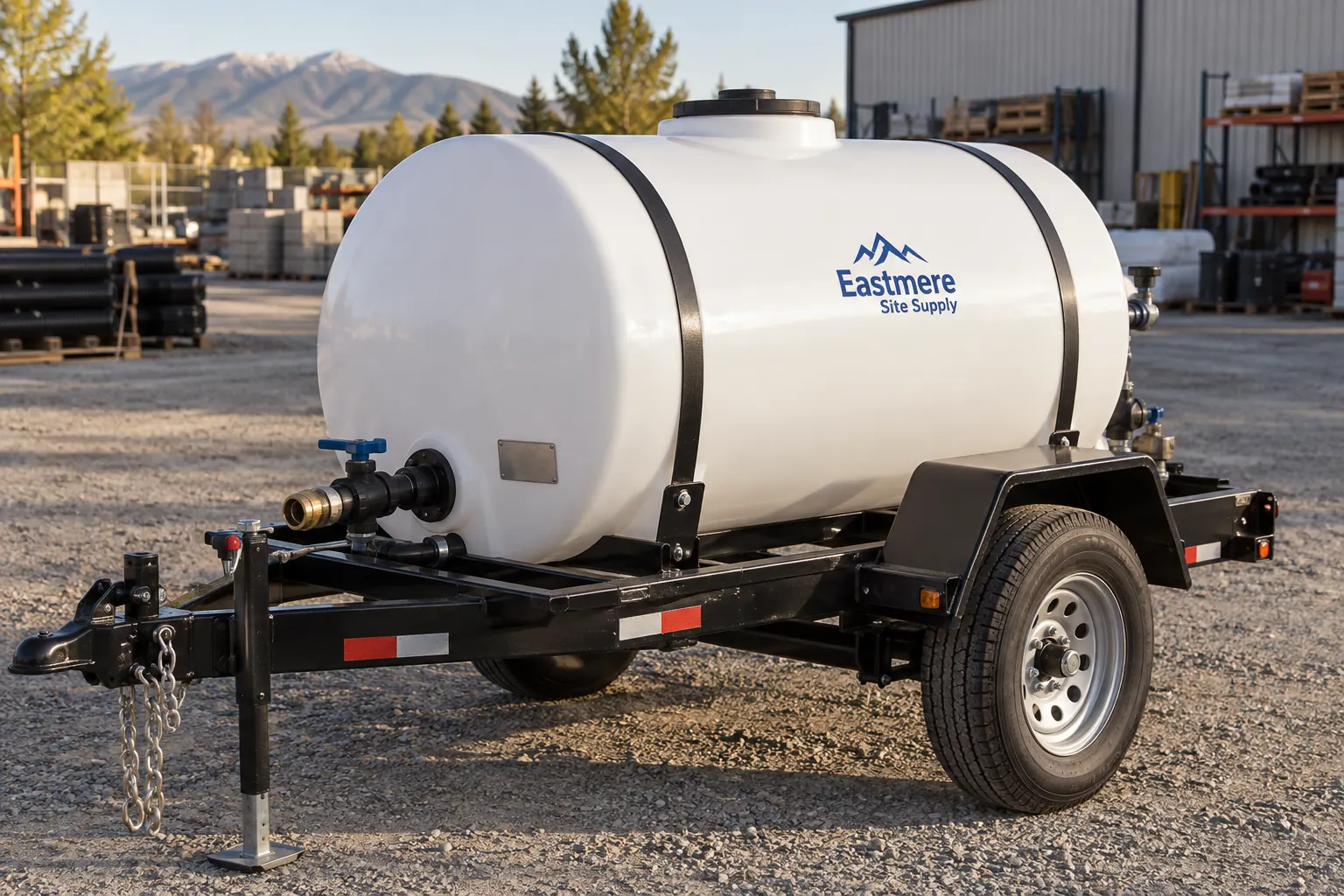
Original fictional commercial planning concept; not a completed customer installation.
Confirm what the business is identifying
Record whether the requested identifier concerns the tank itself, an associated trailer or another defined equipment unit. Use the business’s current inventory reference and the owner confirming that assignment. Supply actual overall photographs through the normal authorized process. Keep each physical part distinguishable so a reference to the tank does not quietly become an instruction for every surface on the trailer.
If several tank units are included, create one evidence row per actual unit. A shared visual description does not establish the same surface, hardware or existing information. The useful record identifies the real item and the business value assigned to it. Leave uncertain matches pending rather than using a generic tank photograph to give an incomplete inventory request the appearance of certainty.
Separate business identity from contents and technical wording
Provide approved company identity, business unit values and any actual proposed contact copy from their source owners. Explain the reader task for that information. Keep the requested business message distinguishable from original equipment labels, contents information or other technical statements that need their own responsible sources.
Do not add a water-use claim, capacity value or suitability statement because it appears common on a similar tank. If the actual project includes other information, identify its source and appropriate reviewer rather than asking a designer to invent it. An illustrative company decal can show where a business identity might be discussed while making no determination about the real tank’s contents, intended use or condition.
Provide actual tank surface and area evidence
Map each proposed graphic instance to current overall and closer views. Show the real profile, surrounding fittings, bands, access features and existing information relevant to the requested area. Record available tank material or finish information from actual documentation, and identify the custodian who can clarify gaps. Do not guess the substrate from its color alone.
Ask the provider what further survey or assessment is needed for the actual surface and treatment. A curved or shaped example in a concept image is not a production template. Keep actual dimensions or survey inputs within the provider’s requested process. The evidence should establish which area is being discussed without converting an illustration or an uncertain material description into a universal product instruction.
Gather equipment-source preservation instructions
Ask the responsible equipment owner which actual documentation and instructions apply to the proposed exterior work. Record visible original plates, labels and other information in context, with unresolved functions identified as questions. Keep the relevant source response connected to the particular unit and area it concerns.
Do not treat a business decal request as permission to cover, reproduce or replace original equipment information. If an existing feature is unreadable or its purpose is uncertain, assign the clarification to the appropriate owner. The graphics provider needs the real inputs and preservation decisions for assessment. A coordinator can make those questions easy to find without deciding technical requirements from the appearance of the tank.
Define the requested instances and existing treatment scope
List the actual unit and area for every requested company or identifier decal. State whether the inquiry concerns a new application, replacement of a known graphic or another defined change. Provide current condition evidence and available graphics history from the owner, keeping unknowns explicit. Do not assume a former treatment establishes what is suitable now.
Ask the proposal to identify the actual assessment and work included. If alternatives are requested, keep the same unit mapping, current copy and evidence in each option. Separate desired timing from confirmed availability and name the person coordinating the real equipment. This makes the discussion concrete while allowing the provider to address surface, existing treatment and access questions through the normal project process.
Review the identification proof with the source record
Check exact company and unit copy against approved sources. Match the proposed layout to the correct actual part and area reference. Review the supplied preservation instructions and remaining physical questions with their responsible owners. Consolidate appearance comments into one current proof version so different contacts do not issue conflicting unit or placement corrections.
If the equipment assignment or proposed area changes, identify affected evidence and ask for the relevant review. Keep previous versions as history. A business copy approval should not silently become confirmation of technical statements or physical suitability that were outside the reviewer’s scope. The decision record should show what was actually selected and which assessment inputs remain outstanding for the defined request.
Keep an equipment-specific identification handoff
Use the local worksheet for the physical unit mapping, approved business copy, area evidence, equipment-source instructions, requested instances and coordination. Retain actual photographs and documentation references through your normal business process. After actual work, add current project evidence so a later replacement buyer can distinguish the completed treatment from an earlier inquiry.
Send Pelican Wraps the actual tank and associated-unit views, approved copy, proposed areas, known history and responsible contacts. Identify missing surface information and open decisions. Use equipment graphics for the broader proposal and the replacement photo record where an existing decal is involved. A useful result is an exterior identification request grounded in the actual equipment and current business source, with technical questions clearly assigned to the people who can answer them.
Draft and Download Your Working Record
Draft your entry, then download a copy before leaving. Send any project decision through the communication process agreed with your supplier.
Frequently Asked Questions
Take the Next Step with a Clear Project Brief
Continue with the resource that matches your next decision:
- Equipment & Machinery Graphics
- Equipment Brand Plate Preservation Guide
- Equipment Decal Replacement Photo Record
- Request a Quote
Send the actual vehicle or surface photographs, quantities, approved brand files, requested coverage and timing constraints. Identify open questions so the project review can address your equipment and business needs.
