
Equipment Brand Plate Preservation Guide
Equipment branding should be planned with the original identification and information on the actual unit in view. This guide organizes the plate and label evidence that a graphics provider and responsible equipment owner need before reviewing a new business graphic. Its output is a source-backed preservation brief: what is present, where it is, who can explain it and which questions remain open. It does not replace the equipment's documentation or ask a graphics designer to decide the function of an unfamiliar plate.
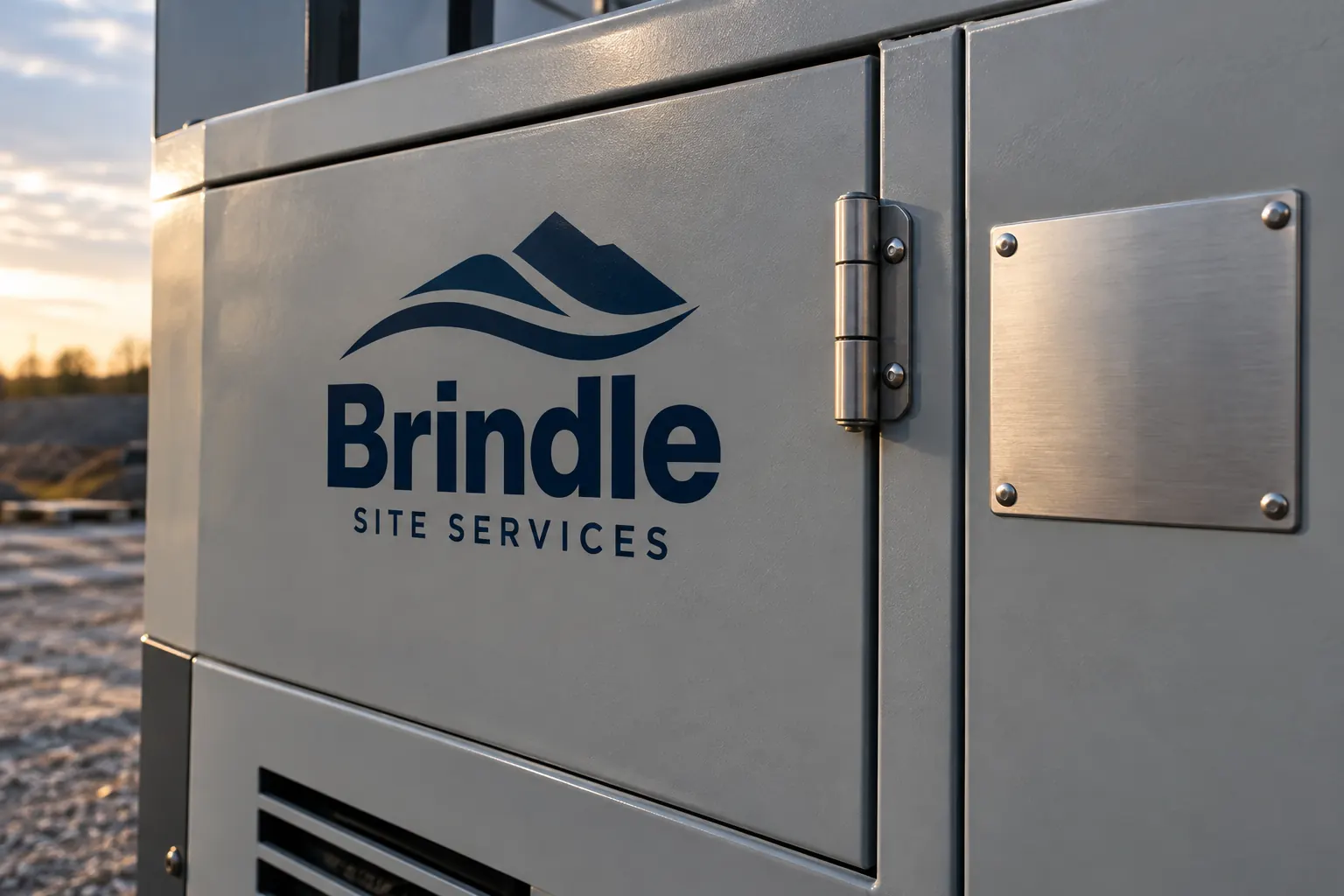
Original fictional commercial planning concept; not a completed customer installation.
Identify the actual equipment and document sources
Begin with the business unit identifier, equipment description and current overall photographs supplied through the owner’s normal process. Record the custodian who can connect the unit to its actual documentation. A product image for a similar machine should remain a reference rather than proof that the requested equipment has the same plates and labels.
List the available manual or manufacturer references without guessing missing model details. Identify who can obtain the actual source when the record is incomplete. The purpose is to let a provider ask a bounded question about a known unit. A request that says preserve all plates but supplies no actual views or source owner leaves the project team unable to establish which features the designer is expected to recognize.
Create an inventory of existing identification features
Use current authorized photographs to record visible plates, decals and other information near the proposed graphic areas. Give each feature an evidence reference and identify its location in an overall view. Record only what can actually be established from the supplied evidence; leave uncertain wording or function unresolved.
An illustrative entry might read side panel feature P1, brushed metal plate visible in overall view A, close photograph B, function confirmation requested from equipment custodian. That entry preserves the question without inventing a serial number or declaring the plate unimportant. Your actual inventory should help the responsible owner and provider talk about the same physical feature even if the coordinator collecting images cannot interpret it.
Ask the responsible source what must be preserved
Send the actual evidence to the equipment owner’s appropriate technical contact and ask for the instructions applicable to the proposed work. Record the source, affected feature and scope of the response. Do not translate an informal comment about one plate into a general rule for every unit or every nearby label.
If the owner directs the team to a manufacturer source, retain the actual reference and identify any remaining clarification. The graphics brief should convey supplied instructions accurately. It should not decide whether original information can be covered, moved, recreated or omitted based on the coordinator’s preference for a cleaner layout. Keep unresolved technical questions visible until the people responsible for that equipment supply the relevant decision.
Map the proposed business graphic beside the evidence
Show the intended branding areas in the same location context as the recorded features. Distinguish a proposed design area from an assessed final treatment. Include seams, handles, access points and other surrounding features in the actual views so a cropped close-up does not conceal the physical context.
Ask the graphics provider what additional information or survey is needed. Do not derive a universal clearance or placement measurement from a concept image. An actual response should identify the equipment and proposed treatment to which it applies. When an area remains unresolved, mark that portion of the request pending rather than presenting an apparently finished layout that encourages people to assume the missing preservation question has already been answered.
Keep original labels separate from company artwork assets
Retain the business logo, current contact copy and approved appearance sources in the graphics package. Keep the equipment plate inventory and supplied preservation instructions identifiable alongside them. A manufacturer label photograph is evidence for the project discussion, not a license to recreate technical information as part of the company’s graphic master.
If original information is damaged, missing or unreadable, record that condition factually and assign the question to the responsible equipment owner. Do not repair the evidence by inventing characters in a mockup. A business identification proposal can remain defined while the owner separately resolves the original information issue through its appropriate process. This prevents a design file from becoming an unverified substitute for the actual equipment source.
Review the proof against the preservation brief
Compare the proposed layout with the actual feature inventory and the supplied instructions. Identify the current proof version and which unit or unit group it concerns. Have the responsible owner review the features within their scope, while the business reviewer checks company identity and exact copy. Consolidate comments into one current instruction.
If a revised layout changes its relationship to a recorded plate or label, identify the affected feature and obtain the relevant review. Do not treat a previous comment on another placement as blanket approval. Keep open questions and their owners in the decision record. The useful result is a traceable relationship between the actual equipment evidence, the proposed business graphic and the sources used during review.
Build an inquiry that carries the preservation evidence forward
Use the local record below for the unit and documentation sources, feature inventory, supplied instructions, proposed area evidence, proof decisions and unresolved actions. Retain the actual photographs and responses through the business’s normal process. After actual work, keep relevant project and current evidence references without assuming the inquiry alone documents installation.
For Pelican Wraps, send the real equipment views, business artwork, recorded features, responsible source contacts and defined graphics scope. Explain missing documentation and decisions. Use equipment graphics for the broader buying discussion and the replacement photo record for documenting an existing graphic. This guide is complete when the project team can identify what needs preserving and who will resolve each remaining question, rather than relying on a designer’s visual guess.
Draft and Download Your Working Record
Draft your entry, then download a copy before leaving. Send any project decision through the communication process agreed with your supplier.
Frequently Asked Questions
Take the Next Step with a Clear Project Brief
Continue with the resource that matches your next decision:
- Equipment & Machinery Graphics
- Equipment Decal Replacement Photo Record
- Generator Enclosure Graphics Planning
- Request a Quote
Send the actual vehicle or surface photographs, quantities, approved brand files, requested coverage and timing constraints. Identify open questions so the project review can address your equipment and business needs.
