
Equipment Graphics Decommissioning Checklist
Equipment graphics decommissioning needs a defined business change and a clear record of the graphics actually affected. An equipment return, sale, reassignment or retired contact may create different instructions. This checklist prepares the source decision, unit evidence, requested physical work and closeout responsibilities for assessment. It does not prescribe a removal method or promise a surface outcome. The useful result is a traceable change request that distinguishes the business's selected end state from work that has actually been assessed and completed.
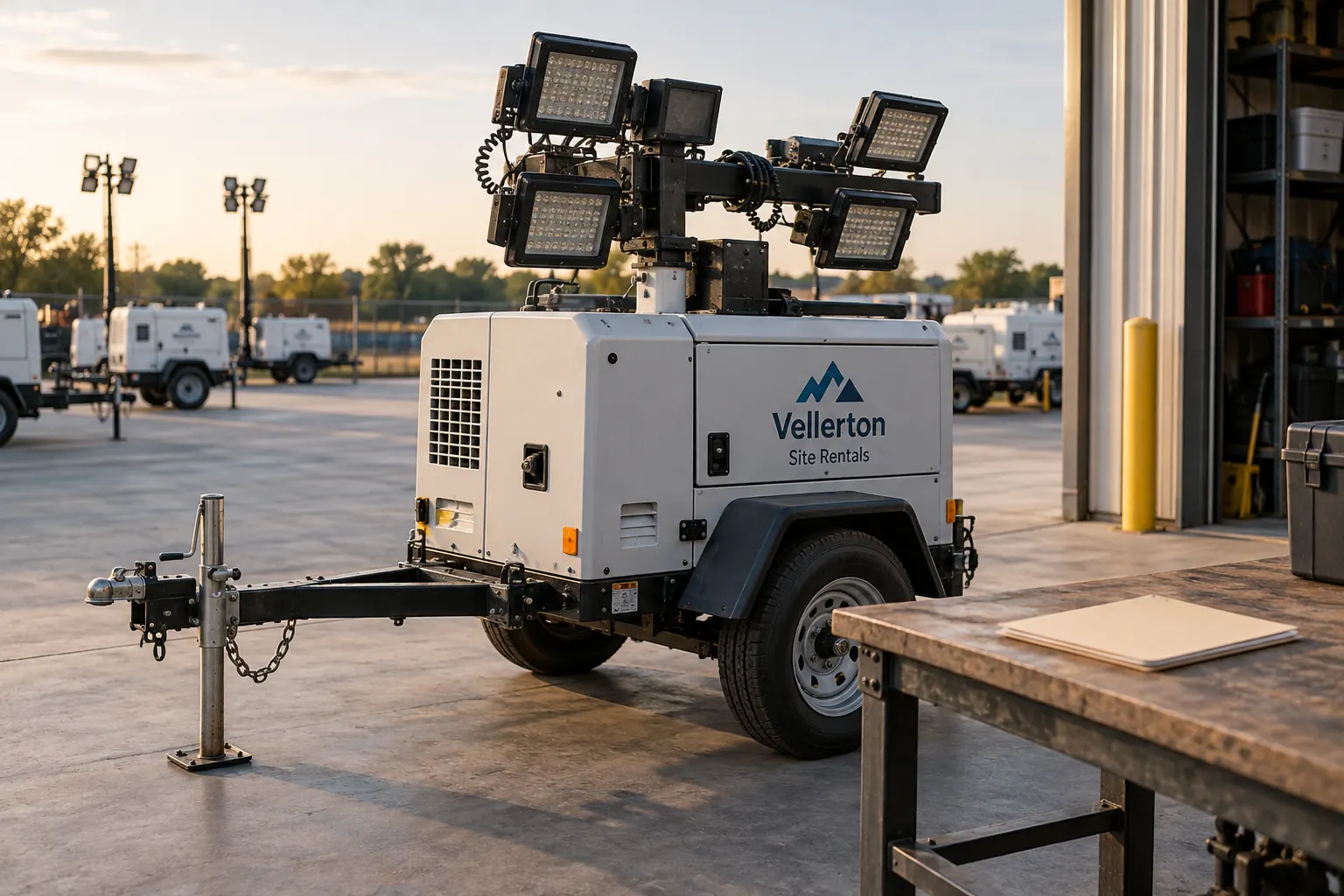
Original fictional commercial planning concept; not a completed customer installation.
Record the business change and the actual instruction
Identify the equipment unit and the decision that creates this graphics request. Record the source owner, reference and current status. State the selected end state in the business’s own approved terms, such as addressing a former operator identity on a specified unit. Keep a planned sale or return distinguishable from an actual instruction to perform defined graphics work.
An illustrative change row might identify unit 27, former operator identity, proposed return to equipment owner and pending owner instruction. That example is deliberately incomplete until the responsible source supplies the actual decision. Your record should expose the missing input rather than translate a general remark about returning equipment into assumed permission to alter every visible graphic on the unit.
Inventory the actual graphics affected by the change
Use current overall and closer photographs connected to the unit identifier. List each visible business graphic instance within the proposed change and identify its area. Include relevant surrounding original information and features in context. Record unknown history and observed condition factually without diagnosing removal difficulty from an image.
Distinguish an operator identity, service contact and business unit number where they have different source owners. A request to retire one message does not automatically determine what should happen to the others. Map the actual instances so the buyer and provider can discuss a bounded request. Keep old artwork references as supporting history rather than assuming they describe every graphic currently present on the equipment.
Confirm the intended state of each affected instance
Have the responsible business source identify which message should be retired, retained or replaced within the actual request. If a new identity is proposed, obtain its exact current source and decision owner. Do not make a clean design preview hide the distinction between removing an old identity and supplying a new approved message.
Record the actual owner or operator instructions relevant to the unit. Keep unresolved authorization or agreement questions with their responsible contacts rather than interpreting them in the graphics worksheet. The coordinator’s job is to make the decisions explicit and findable. A graphic marked retired in a file folder is a record status; it does not establish that the physical unit has reached the selected end state.
Ask the provider to assess the physical work
Supply the indexed current photographs, available material or installation references and known history. Identify the requested instances and selected business outcome. Ask the provider what further assessment is needed and what the proposed work includes. Keep questions about existing treatment and underlying surfaces explicit in the proposal discussion.
Do not prescribe tools, heat, solvents or a universal removal sequence from this checklist. Do not promise an unchanged underlying appearance based on an old image or a prior job on different equipment. A defined request gives the provider enough context to assess actual work and explain dependencies. Keep the business decision to retire a message separate from assumptions about how that decision will be carried out physically.
Coordinate availability and related business records
Name the person arranging the actual unit’s availability and location for assessment or work. Identify the desired timing and the actual return, reassignment or other dependency supplied by its owner. Keep those needs distinguishable from confirmed arrangements. If the unit changes, update the evidence and request rather than carrying a previous assessment across automatically.
Identify the business records that need review because of the selected identity change. These may include the active graphics master, unit register or service contact assignment where applicable to the actual project. Give each action an owner. Do not automatically delete useful project history. Keep former artwork identifiable as historical so another coordinator does not accidentally use it as the current instruction for later equipment.
Define the evidence needed for closeout
Agree through the project process how the actual completed work and any outstanding items will be recorded. Connect current evidence to the same unit and instances as the request. Identify the person responsible for reviewing the outcome against the selected scope. A calendar date, invoice or approved concept alone should not silently become proof that every affected graphic is no longer present.
If the completed scope differs from the request or an item remains unresolved, record that status and owner factually. Keep the provider’s actual work reference and relevant current photographs findable. The closeout record should allow the next equipment coordinator to understand what the project addressed, what remains and which current identity or artwork source should govern a future graphics inquiry.
Send a bounded decommissioning inquiry
Use the worksheet below for the business change source, actual graphic inventory, selected end state, physical assessment questions, coordination and closeout evidence. Retain actual files and responses through your normal process. Keep requested work, confirmed arrangements and completed evidence distinguishable throughout the record rather than moving every item to done when the initial brief is sent.
For Pelican Wraps, provide the actual unit views, affected instances, approved instructions, known history and coordinating contact. Identify pending owner decisions and timing dependencies. Use equipment graphics for the broader buying discussion and the owner-versus-operator checklist if role instructions are not settled. A useful result is a change request the business can follow from its actual decision to a documented current state without inventing a removal method or claiming work has happened before it has.
Draft and Download Your Working Record
Draft your entry, then download a copy before leaving. Send any project decision through the communication process agreed with your supplier.
Frequently Asked Questions
Take the Next Step with a Clear Project Brief
Continue with the resource that matches your next decision:
- Equipment & Machinery Graphics
- Equipment Owner vs Operator Branding Checklist
- Equipment Decal Replacement Photo Record
- Request a Quote
Send the actual vehicle or surface photographs, quantities, approved brand files, requested coverage and timing constraints. Identify open questions so the project review can address your equipment and business needs.
