
Fleet Wrap Incident Photo Checklist
A fleet wrap incident photo checklist organizes the graphics evidence available from the business's actual incident process. It identifies the unit, affected area, current photographs and the question being sent for graphics assessment. Use it to make a report findable after a concern is raised. The record does not determine incident response, fault, insurance status or the cause of visible damage. Its practical output is an evidence package that a graphics provider can connect to the real unit and a defined next inquiry.
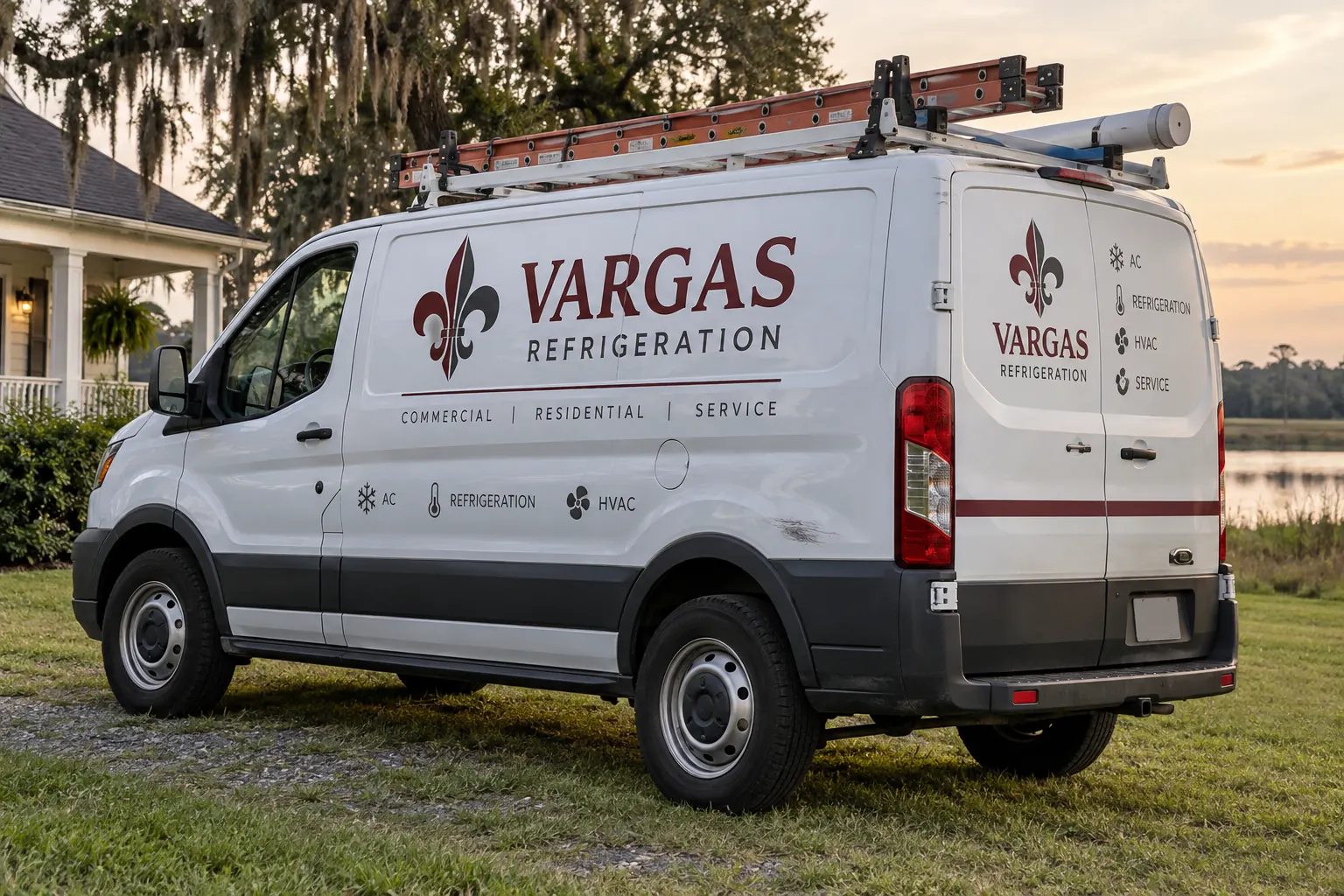
Original fictional commercial planning concept; not a completed customer installation.
Connect the graphics record to the business incident source
Record the actual fleet identifier and the business incident or report reference appropriate to the project. Identify the coordinating role and source of the graphics question. Use information already available through the business’s normal authorized process. Keep sensitive personal or customer details in the appropriate underlying record rather than duplicate them in a widely shared graphics summary.
State the actual current question, such as asking a provider to assess the next graphics step for an identified area. Keep it separate from the wider incident decision. An illustrative entry could identify unit I27, business report reference and side graphic evidence requested. Those values are examples, not a real incident. The actual record should explain which vehicle and question the photo set supports.
Index overall views before close details
Provide current overall views that identify the real unit and relevant side or area, then connect closer photographs to that context. Retain the originals and give each file a reference the business and provider can use. Keep historical photos identifiable as history. A close image of a familiar logo may omit the context needed to locate the affected graphics instance.
Use evidence obtained through the business’s appropriate process and ask the provider what further information is needed. This checklist is not a direction to return to an incident scene or manipulate equipment to obtain a particular view. Its job is to organize the available graphics record and expose a missing source, allowing the responsible parties to establish an appropriate next assessment against the actual project.
Record what the images establish and what they leave open
Describe the visible area and condition factually. Identify blurred, cropped or unavailable details as gaps. Keep an observation such as a visible scuff or an incomplete graphic distinguishable from an explanation of how it happened. The provider needs the actual evidence and question, while other incident conclusions remain with their responsible sources.
An illustrative observation could identify lower side graphic, photograph B and a request to review the affected instance. Replace that structure with the real unit and evidence. Preserve useful context without retouching the original image to make it appear clearer or more complete. If planning annotations are used through the project process, retain them separately and identify their purpose so the original evidence remains understandable.
Identify the graphics instance and available project history
Connect the affected area to the actual installed project, selected proof or artwork reference where available. Record which instance the business wants assessed and whether surrounding graphics are part of the question. Keep an unknown source file or system detail as a request for clarification. A general company name should not become the only project identifier for several similar fleet layouts.
Provide known earlier work or replacement history from actual business records and identify its source. Keep that history separate from a technical conclusion. The evidence package should help the provider locate the relevant project and ask a specific follow-up question. It should not imply that a photograph alone establishes the material, underlying surface or scope of a potential replacement.
Define the assessment or proposal question
State what the business needs next: clarification of the affected graphics instance, information needed for assessment or a defined replacement inquiry. Name the coordinating contact and any actual timing need. Keep a desired outcome distinguishable from the provider’s response. A request for a small visual change can still need actual scope and evidence review.
If vehicle repair or another work stage is part of the actual business plan, identify the responsible source and relevant status. The graphics record can retain that dependency without inventing repair instructions or an order of work. Ask the provider how current project inputs affect its assessment. The useful package gives each open question an owner rather than treating the wider incident record as a complete graphics specification.
Retain actual responses and revised evidence
Record the provider’s actual answer, additional evidence request or work reference against the unit and incident-source reference. Keep reported, under review and later work status distinguishable through the normal project process. An acknowledgment of the photo package should not silently become a diagnosis or a confirmed replacement arrangement.
If current evidence changes, give it a new reference linked to the original observation. Retain earlier material as history. Identify who supplies missing files or unit details and what decision remains open. This creates a practical trail that another coordinator can understand without reconstructing several messages or assuming a newly uploaded photograph resolves every question in the wider incident process.
Send a coherent graphics incident inquiry
The local worksheet captures the unit and business source, overall-to-detail evidence, factual observation, graphics references, assessment question and next owner. Keep the actual incident process and its sensitive details in their appropriate records. The Vargas Refrigeration scene is a fictional condition-documentation concept and establishes no real customer incident, cause or completed repair.
For Pelican Wraps, provide the actual unit, relevant current photographs, available project and artwork references, factual known history and specific graphics question. Explain pending vehicle or source inputs and name the coordinator. Use fleet damage and panel replacement for the commercial discussion and the damage photography walkthrough for the capture sequence. A useful report gives the provider enough real context to establish the next assessment or scope question without asking it to infer the whole incident from one close-up.
Draft and Download Your Working Record
Draft your entry, then download a copy before leaving. Send any project decision through the communication process agreed with your supplier.
Frequently Asked Questions
Take the Next Step with a Clear Project Brief
Continue with the resource that matches your next decision:
- Wrap Care & Maintenance
- Fleet Damage & Panel Replacement
- Fleet Wrap Edge Inspection Log
- Request a Quote
Send the actual vehicle or surface photographs, quantities, approved brand files, requested coverage and timing constraints. Identify open questions so the project review can address your equipment and business needs.
