
Fleet Wrap Pressure Washing Exception Record
A fleet wrap pressure washing exception record organizes a proposed departure from the actual care instructions supplied for an installed graphics system. It identifies the units, current source, wash provider's request and the response needed from the responsible installer or manufacturer source. The worksheet does not grant technical permission or create universal wash settings. Its useful output is a traceable method question, with current status and affected recipients clear before a proposed alternative is mistaken for the active care instruction.
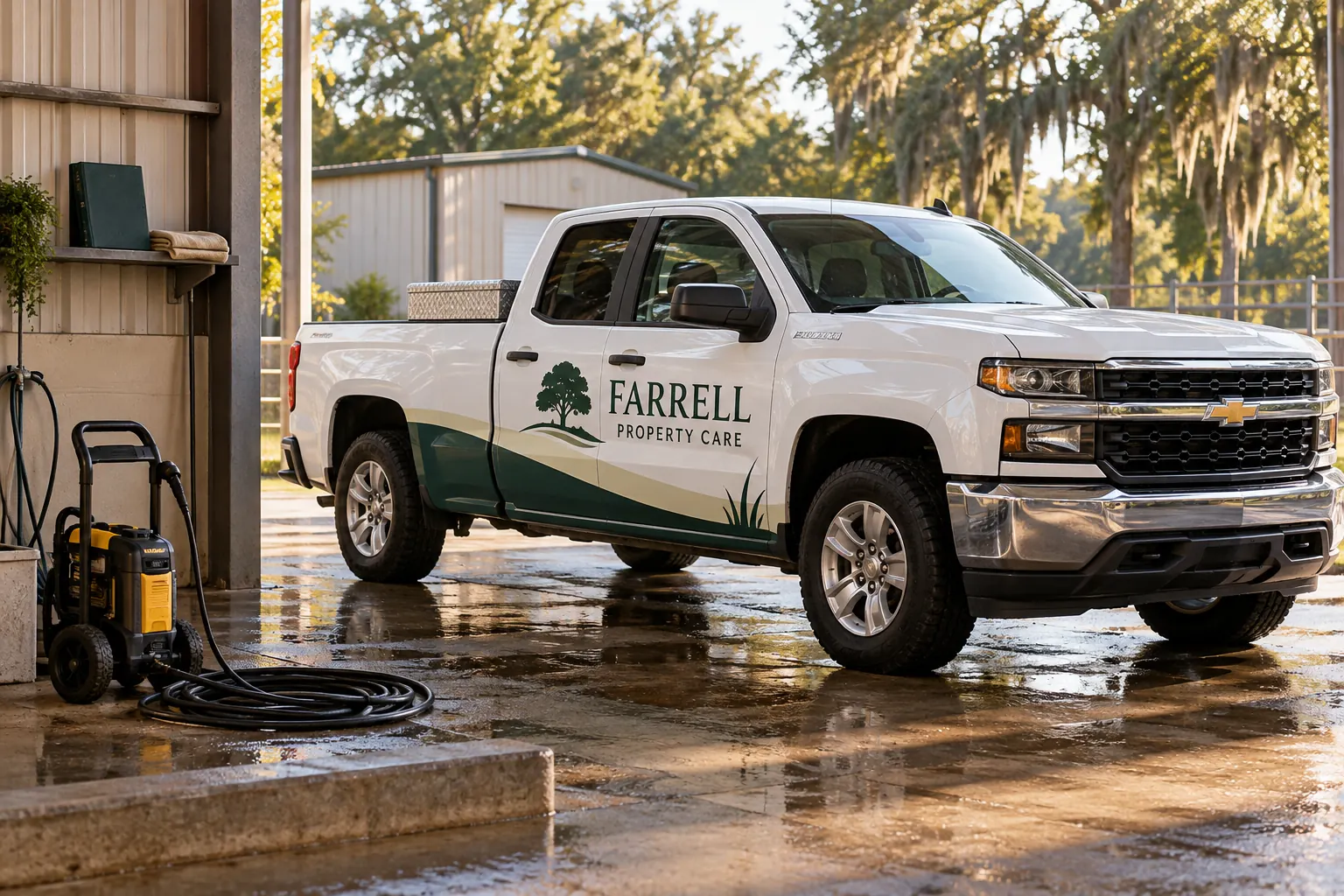
Original fictional commercial planning concept; not a completed customer installation.
Identify the actual system and current care source
List the fleet units concerned and their installed project or system references where available. Ask the installing provider which care instructions apply to the actual film, finish and project. Retain the document reference and current clarification contact. Keep unknown products or different unit systems visible rather than assume a common company identity establishes one wash rule.
Connect the exception request to that source. An illustrative entry could identify unit P27, actual care reference pending and a wash provider question about its proposed routine. Those values show the record structure. The actual business should supply its real units and source status. The first useful action is to identify the instruction being discussed, because a requested exception has little meaning when nobody can establish the applicable current package.
Describe the proposed routine exactly as supplied
Have the actual wash provider describe the relevant method and parameters through the business’s normal process. Retain the source and identify which units or task the proposal concerns. Keep unknown details as questions for that recipient rather than fill in familiar settings from another job. The purpose is to give the responsible source an answerable request.
Record the reason the wash provider is asking for a different method and the current decision status. A business preference for its usual routine should remain a request until the relevant technical source has supplied the applicable response. Keep the proposed routine distinguishable from the active care instruction in the handoff package so a summary written for review does not accidentally become the instruction the recipient follows.
Use manufacturer context without inventing a universal rule
3M’s Maintenance Instruction Bulletin, Revision A, December 2024 explains that aggressive washing can damage graphics and excessive pressure can force water underneath, contributing to lifting or curling. Use the actual installer and applicable system documents to address your proposed method. This record is a source-and-response tool, not a substitute wash specification.
Retain the exact source scope when a provider identifies relevant conditions or instructions. Avoid assembling a new universal rule from selected numbers in several unrelated documents. The business can ask a precise question while leaving system assessment with the responsible source. Keep a different finish, product or installed condition identifiable when it changes the actual information needed for the response.
Assign the technical question and business coordination roles
Name the installing-provider or manufacturer source handling the actual method clarification and the business contact coordinating the wash recipient. Use the normal project process to obtain the response. Record the unit, source instruction, proposed alternative and specific question together so a general answer cannot lose the context of the request.
Keep the business’s operational preference separate from the actual technical response. A manager can choose who coordinates the wash arrangement without declaring that a method overrides system instructions. If the question remains unresolved, retain the pending status and next owner. The useful record makes the actual decision findable instead of placing an unsubstantiated approved label beside a vendor’s routine simply because it is convenient.
Record the response within its actual scope
Retain the supplied answer, relevant document or project reference and affected units. Identify any follow-up input or condition that remains open. Keep an acknowledgment distinguishable from a technical clarification, and a clarification distinguishable from any broader commercial commitment. The source response should say what it actually supports for the defined request.
If the wash provider supplies a revised routine, identify it as a new current proposal and seek the relevant review. Preserve earlier requests as history. A response about one set of parameters or one system should not silently become blanket permission for a different process across the entire fleet. The coordinator should be able to explain which request and source answer were considered together.
Update the actual wash handoff and observation routing
Use the wash provider handoff record to identify the applicable current instructions and recipient update. Carry the actual source response and remaining status into that package through its owner. Keep superseded proposals distinguishable. The person performing the task should have one current instruction source rather than several alternatives with unclear approval status.
Identify where factual condition observations should be reported through the business and installing-provider process. Retain relevant unit, photograph and known history references when a concern is raised. The exception record can support that inquiry without diagnosing a cause from the existence of a wash request. Use the edge or incident records for their actual observation and follow-up tasks.
Send a bounded care-method question
The local worksheet captures actual units, current care documents, proposed method details as supplied, responsible sources, response status and recipient updates. Retain the actual source material through the business’s normal process. The Farrell Property Care image is a fictional planning scene with stored equipment; it does not demonstrate a wash method or establish permission for the real installed system.
For Pelican Wraps, provide the actual unit and project references, available system and care information, relevant current views and the wash provider’s specific question. Identify missing inputs and the coordinating contact. For new work, send the real graphics scope and evidence so care-source expectations can be discussed in the proposal process. A useful inquiry makes the method question assessable while preserving a clear current instruction and owner for the next action.
Draft and Download Your Working Record
Draft your entry, then download a copy before leaving. Send any project decision through the communication process agreed with your supplier.
Frequently Asked Questions
Take the Next Step with a Clear Project Brief
Continue with the resource that matches your next decision:
- Wrap Care & Maintenance
- Fleet Graphics Wash Provider Handoff
- Fleet Wrap Edge Inspection Log
- Fleet Wrap Care Responsibility Matrix
- Request a Quote
Send the actual vehicle or surface photographs, quantities, approved brand files, requested coverage and timing constraints. Identify open questions so the project review can address your equipment and business needs.
