
Federal Graphics Enquiries: Separate the Asset Scope from Vendor Verification
Prepare a federal graphics enquiry through the actual authorized request and required documentation. Describe the vehicles or items, approved information and review responsibilities, then keep the commercial response connected to current vendor and procurement records.
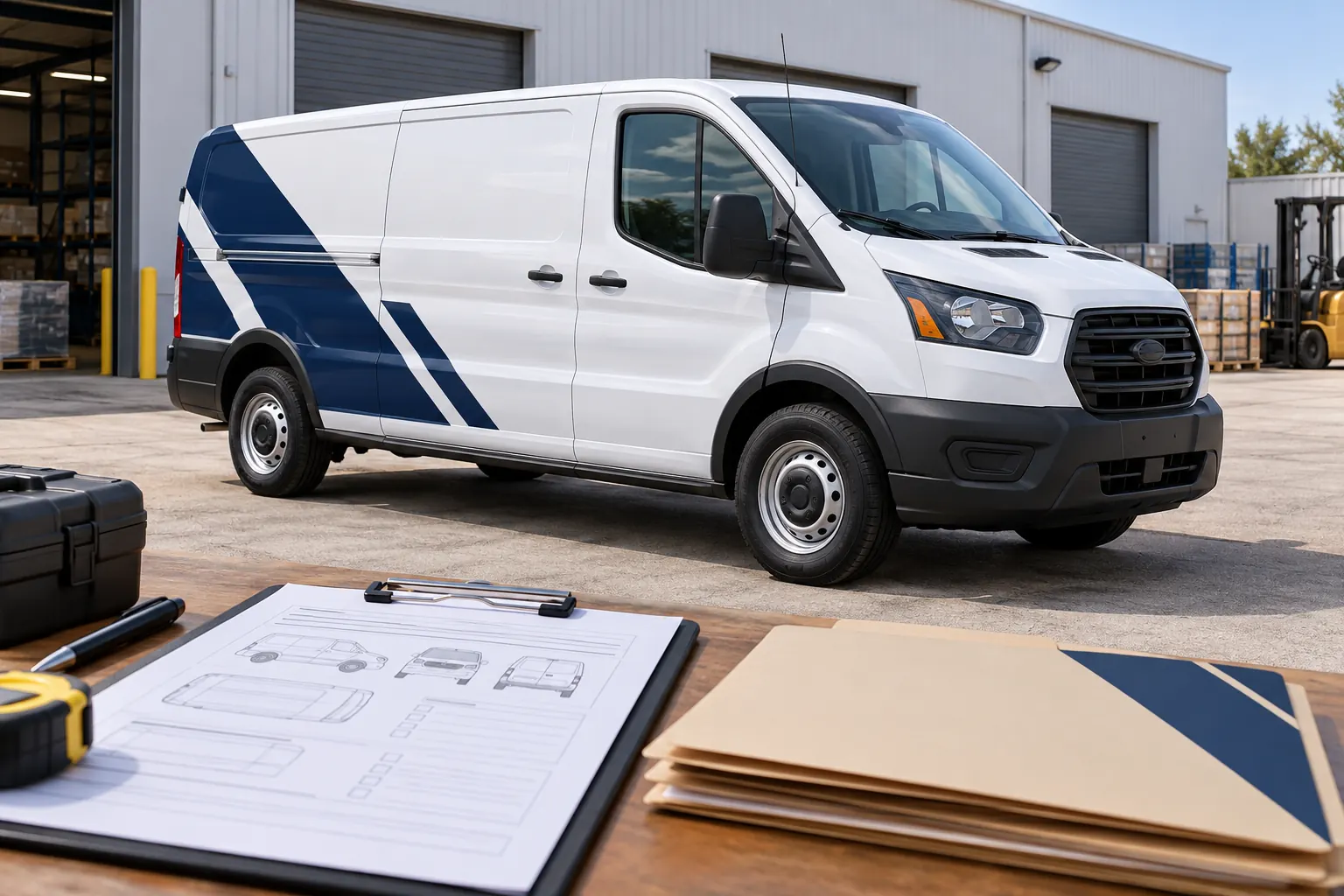
Illustrative planning concept; not an actual agency customer, completed installation, official document or contract award.
Start with the actual notice or authorized buyer request
Provide the request reference, issuing office, response instructions and relevant attachments. Identify whether the discussion concerns market research, a quotation or another actual stage, using the buyer wording. A general interest in government work does not establish the required response format or authority to begin a project.
Use SAM.gov contract opportunities for official federal notice searches and follow the actual notice for current requirements and changes. This page is a graphics scope guide, not a live solicitation listing or a statement that Pelican Wraps holds an award. Keep the buyer documents and accepted clarification route with the enquiry so later scope decisions can be traced to the real request.
| Review item | Actual record to retain |
|---|---|
| Request reference | Actual notice, stage, response instructions and authorized contact |
| Vendor verification | Current required legal-entity and registration evidence |
| Asset scope | Units, configurations, faces, condition and measurement status |
| Acceptance | Approved data, layout version, release and actual response acceptance |
Distinguish a UEI from an active entity registration
The official SAM.gov registration page distinguishes obtaining a Unique Entity ID from completing registration for direct federal awards. A UEI-only record does not by itself establish the registration needed to apply directly. Use the current official record and the actual request when verifying relevant vendor information.
Do not infer qualification from a website service description or capability layout. Ask for the actual legal-entity information and documentation required by the buyer and retain the relevant verification. This page does not invent a Pelican UEI, CAGE code, registration status, set-aside certification or past performance. The administrative record and the graphics scope should be clear, separate parts of the real response.
Define the assets and deliverables with enough detail to review
List actual units or property items, quantities, configurations and intended faces. Provide labeled photographs, relevant dimensions and their verification status. Separate broad identity graphics from changing unit information and any required markings or protected equipment identified by the responsible agency contact.
Use the inventory worksheet for initial preparation and adapt the attachment to the actual request format. A general fleet quantity cannot describe every cab, door, service-body compartment or trailer rear. The asset record should show genuine repeat groups and exceptions so the proposed response can identify actual work rather than silently assume one clean standard configuration.
Connect the specification with actual surfaces and proposed products
Provide known old graphics, paint or body concerns, repairs and relevant finish history. Ask the response to identify the named proposed system, construction and application assumptions for the actual coverage. Keep removal, separate vehicle work and preparation responsibilities stated instead of assuming the design file proves every surface is ready.
Use preparation planning to organize condition questions. If the buyer specifies a product or performance requirement, retain the actual wording and use the authorized clarification process for questions. This guide does not substitute a generic film category, concept image or supplier brand for the technical and administrative requirements of the actual request.
Make the response boundaries and open questions visible
Describe design development, quantities, production, installation and relevant access, transport and other included items. Identify exclusions, provisional information and optional alternatives where the buyer permits them. Keep assumptions attached to the line or asset they affect so the reviewer can understand the commercial amount.
Use the government RFQ preparation route and follow the official submission instructions for a real response. A website quote enquiry is not automatically a compliant solicitation response or authorization to change specifications. Record clarification answers and update the affected scope before treating a provisional figure or early design direction as accepted work.
Keep site access, identity approval and release authority distinct
Identify who can authorize the agency identity, accept variable data, confirm dimensions and release assets. Describe the actual proposed work location and access arrangement and ask the relevant parties to confirm it. A scheduled discussion or accepted style does not establish installation permission at every federal property.
Record proposed unit windows and dependencies in the rollout planner where useful, then retain the actual accepted schedule. Pelican Wraps uses the Harvey business base; this page does not claim a federal-site presence, cleared staff or universal on-site capacity. The project record should describe real arrangements without adding credentials or access rights that have not been verified.
Retain the accepted response and the supplied-work record
Keep the actual request, response, clarifications and authorized acceptance together with the approved layouts and unit schedule. Connect completed items to installed photographs, relevant product references and care guidance. Record changes through the actual project process so later repeats use the current scope and approved information.
For an initial discussion, send the federal graphics scope with the request reference, assets, photographs and decision contacts. Explore capabilities and documentation planning for the supporting facts. The next step should establish a defined, verifiable response without claiming an award, procurement approval, fixed turnaround or measured result from a fictional illustration.
Frequently Asked Questions
Prepare the Actual Government Graphics Request
Send current photographs, vehicle quantities, logo files, coverage preferences and timing. Identify old graphics and paint concerns so the project review can address the actual equipment.
Explore planning resources or request your commercial wrap quote.
