
Owner Operator Fleet Branding Permission Checklist
An owner-operator fleet branding permission checklist helps the buyer collect the actual decisions needed before a vehicle carries another business’s identity. It should identify the asset, the people supplying approval, the proposed marks and the limits of the requested work. Use it as an administrative handoff. It does not determine ownership rights, interpret an operating agreement or establish which regulatory markings apply to a particular vehicle.
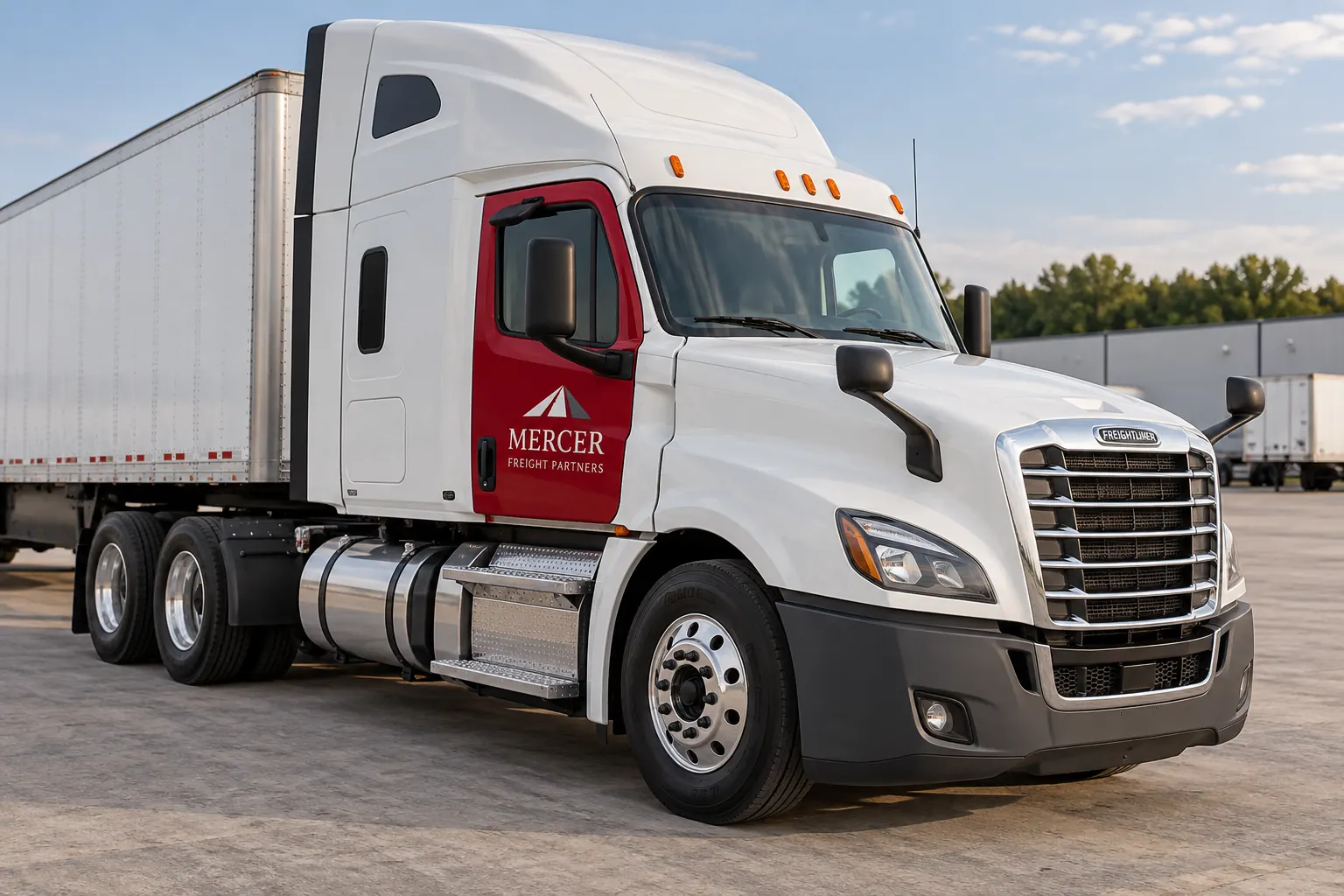
Original fictional commercial planning concept; not a completed customer installation.
Identify the asset and the parties in the request
Record the specific truck or trailer, its body configuration and the business requesting the graphics. Identify the vehicle owner contact and the person who can confirm the relevant permission through the company’s normal process. Keep a tractor and trailer separate when they have different owners or requested treatments. A shared operating arrangement does not make every asset interchangeable.
Use stable unit references in the file package. Provide current photographs rather than relying on another operator’s similar truck. The provider needs a reliable connection between the requested identity, the actual vehicle and the people who can answer scope questions. If authority is disputed or unclear, identify the unresolved decision instead of filling the gap with an assumption.
Define exactly which identity is proposed
List the company name, logo, descriptor, contact information and any other marks requested for the vehicle. Distinguish the operator’s own business identity from another company’s approved brand. Provide exact current assets and wording through their responsible owners. Do not ask the graphics provider to choose among conflicting affiliations or infer which business should be represented.
Record whether the request concerns a cab, trailer, defined panel or another actual area. A statement such as “put fleet branding on the truck” leaves too much unstated. The permission record and the project scope should refer to the same assets, marks and areas so a later reviewer can see what was actually being discussed.
Collect actual approval references rather than an informal assumption
Ask the responsible parties to provide the approval or instruction needed through their existing business process. Record who supplied it, when and what it covers. Keep the source available with the project file. This checklist organizes evidence; it does not prescribe the terms of an agreement or decide whether a particular document creates sufficient legal permission.
If the instruction limits the proposed areas, duration or wording, make those supplied limits visible in the brief. Send questions about unclear conditions back to the appropriate decision owner. The supplier should receive one coherent current instruction rather than several messages that appear to authorize different marks or different parts of the vehicle.
Keep regulatory and operating information separate
Have the responsible fleet or compliance contact identify the exact operational information that applies to the unit and what must remain visible. Provide their approved content and placement requirements for any requested work. Do not copy numbers or labels from a concept image, another operator’s vehicle or an older file simply because the layout looks familiar.
Keep that review distinct from the brand permission record. Authorization to use a business logo does not determine regulatory content, and a commercial proof does not establish operating authority. The fictional Mercer Freight Partners tractor illustrates a restrained business identity only. It is not a regulatory template, a real operator relationship or evidence about the markings required on your unit.
Record duration and change triggers supplied by the parties
Identify any stated end date, reassignment event or other review trigger associated with the proposed identity. Record the source rather than inventing a standard term. Ask who will notify the artwork owner when the operating relationship or contact information changes. A clear administrative record helps the next buyer know when a previously approved file needs another decision.
If future removal or replacement is part of the requested project discussion, state that separately and ask for the actual scope to be assessed. Do not assume branding permission includes an agreed removal method, surface outcome or commercial arrangement. Keep the supplied business decision and the provider’s work proposal connected without treating them as the same document.
Survey the actual body and compare the requested work
Provide current views of the relevant cab, trailer or equipment areas, including hardware, existing graphics and known surface concerns. Identify planned repairs or equipment changes. Ask the provider to assess the proposed areas and what further information is needed. A permission reference settles neither the physical configuration nor the suitability of every requested surface.
Compare proposals by the included assets, areas, artwork adaptations, existing graphic work and installation arrangements. Keep optional work and unresolved conditions visible. If several owner-operated units are being coordinated, retain the relevant permission and scope references for each rather than letting one approved example silently represent every asset in the group.
Confirm release and handoff responsibility
Identify who can bring the vehicle, authorize its operational release and confirm the unit arriving. Provide real availability constraints and ask the provider to assess the project arrangement. Keep the date subject to the actual scope, artwork and readiness decisions. A brand permission record does not by itself establish a confirmed installation appointment.
At handoff, verify the asset and approved version. If another truck is substituted, review the relevant ownership, body and wording information before treating the request as unchanged. Retain the agreed work reference and current photographs after completion so later changes begin with the actual record rather than a remembered description of the first truck.
Build a clean administrative package
Use the downloadable checklist to collect asset identity, proposed marks, approval sources, supplied limits, operating-information owners and open actions. Save the text and retain the underlying records in your normal business file process. If a permission question remains unresolved, route it to the responsible parties before dependent work is treated as approved.
For Pelican Wraps, send the actual asset photographs, current brand files, coherent instruction and requested coverage. Identify the permission and operational contacts and any timing constraints. Use the broader fleet and commercial truck resources for general program decisions. This focused record helps the supplier review a defined graphics request without being asked to interpret an operating relationship or choose the business’s authority structure.
Draft and Download Your Working Record
Draft your entry, then download a copy before leaving. Send any project decision through the communication process agreed with your supplier.
Frequently Asked Questions
Take the Next Step with a Clear Project Brief
Continue with the resource that matches your next decision:
- Logistics & Delivery
- Semi-Truck & Tractor-Trailer Graphics
- Commercial Trailer Fleet Graphics
- DOT Numbers, Unit Numbers & Commercial Vehicle Markings
- Request a Quote
Send the actual vehicle or surface photographs, quantities, approved brand files, requested coverage and timing constraints. Identify open questions so the project review can address your equipment and business needs.
