
How Long Do Commercial Vehicle Wraps Last? Plan by the Actual System
Service-life planning depends on the named materials, graphic construction, exposure, condition and care. Review the actual installed system and its applicable terms instead of assigning one lifespan to every surface and working vehicle.
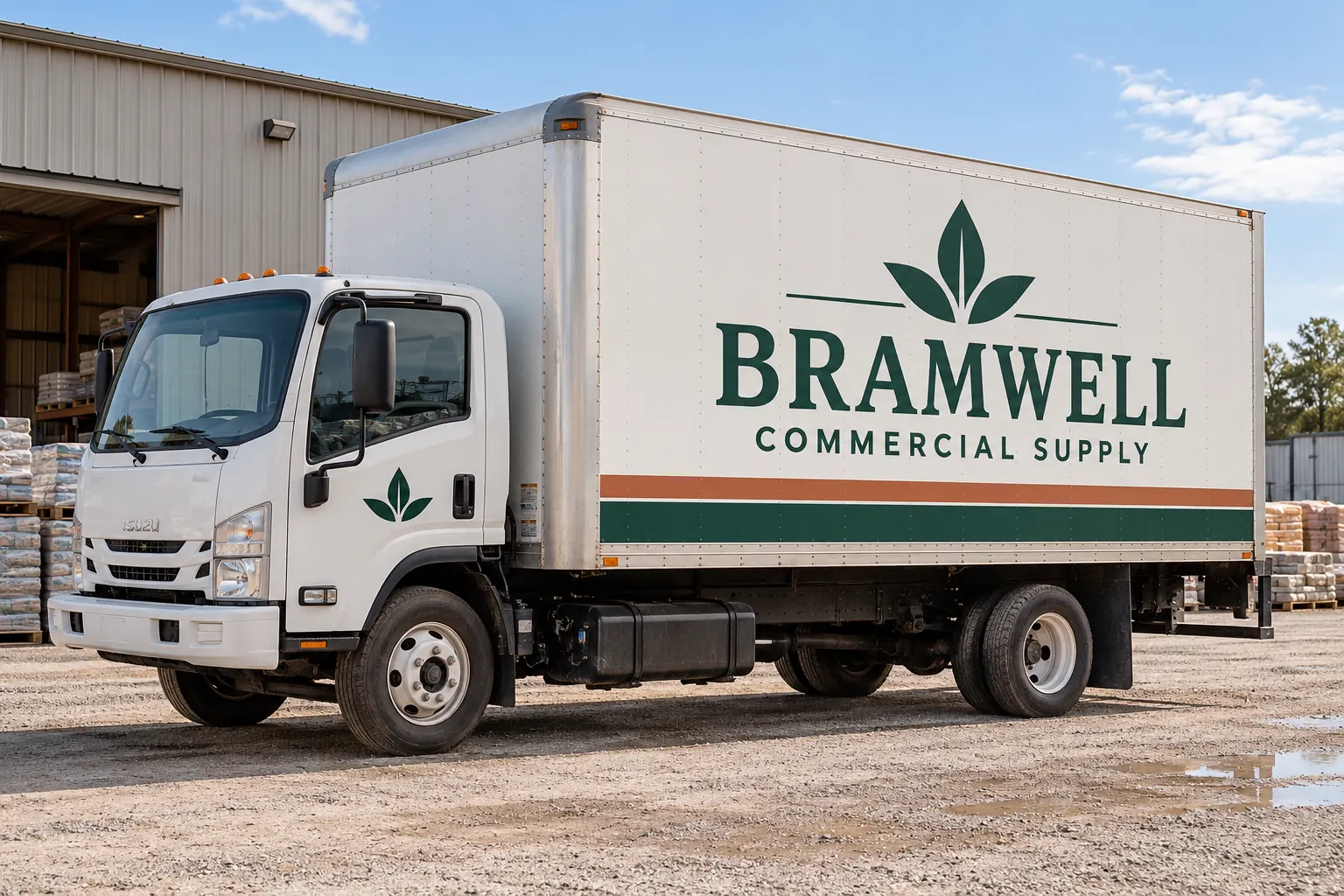
Fictional commercial wrap design concept; not a completed customer installation.
Separate intended service life from a warranty promise
The business may want a graphic to serve for a particular planning period, while a product document or project agreement describes specific conditions and terms. Keep those distinct. An intended duration is not automatically a guarantee that every panel will look the same or remain suitable until that date.
Ask which named material system and terms apply to the actual job. A broad phrase such as premium vinyl does not identify the construction, exposure assumptions or exclusions. The warranty planning guide helps organize that separate question. Service-life planning should produce a maintained record and review process rather than one unsupported number printed beside every vehicle category.
Identify the whole installed graphics system
Retain the film, relevant printing and protective construction references, accepted artwork and installation record. Printed wraps, cut identity graphics and reflective items may have different products and intended uses. Do not combine them under a single generic lifespan merely because they share one company name on the same truck.
Use the material-category guide to begin the application discussion and the finish guide for appearance choices. Neither category nor finish alone establishes the complete service-life outcome. The actual product and installation record give future maintenance or replacement enquiries a much stronger starting point than an old sales image.
Record exposure by area and operating use
Identify where the graphics sit on the vehicle and how the asset operates and is stored. A roof area and a vertical side are different exposure descriptions, while routes, contamination and cleaning can add relevant operating context. Keep the actual conditions visible in the scope and fleet record.
For example, Avery Dennison distinguishes vertical and horizontal durability information within its DOL Max product information. That is a reason to review the specified product and orientation, not to assign those product figures to every wrap. Do not turn one manufacturer example into a universal Pelican service-life promise for all materials and vehicles.
Make care a maintained responsibility
Obtain the guidance for the actual installed film and finish and share it with the people cleaning or maintaining the vehicles. Record the ordinary wash process and relevant exposure information so a changed routine can be reviewed. A care sheet is more useful when someone owns it and the fleet can identify which material it applies to.
Use the resource hub to find the care guide and handover checklist when organizing instructions, records and contacts. Do not assume a generic cleaning product or an unreviewed repair method suits every graphic. The practical aim is to follow the selected system guidance and report changed conditions before the team relies on an outdated assumption.
Inspect condition rather than wait only for an anniversary
Record lifting, damage, cracking, changed appearance and other concerns through the fleet maintenance process. Include close photographs and the unit reference so a review can identify the actual area. A calendar reminder is useful, but it should not replace attention to condition while the vehicle remains in service.
Also check whether the graphic still communicates accurate business information. A material can remain physically present while the domain, services or company identity has changed. That creates a commercial replacement need separate from product deterioration. The replacement timing guide can help organize those triggers without assuming a single age threshold answers every case.
Compare repair and replacement against current evidence
When one section is damaged, provide the retained product and artwork record plus current photographs of the surrounding graphics. Review whether the intended solution is a defined section, a face or a wider update. Appearance and matching need actual assessment; an available file does not guarantee an invisible repair on an older installation.
Use repair versus replacement planning for that scope discussion. Include any body repairs or changed equipment and review readiness separately from the graphic age. A sound fleet decision considers the current message, actual condition and operational plan rather than replace everything automatically at one number or retain damaged graphics merely because a planning period has not ended.
Keep a useful service record for the next decision
Link each unit to its installed system, accepted artwork, photographs, care instructions and later repairs. Record business wording changes and asset transfers. These details support the next removal, replacement or addition enquiry and reduce reliance on guesses about what was installed years earlier.
For a new project, send a commercial graphics brief describing the equipment, coverage, intended use and planning period. For an older installation, send the known history and current condition instead. The project review can then address the actual product and work. A useful service-life discussion ends with traceable information and responsibilities, not a guarantee detached from the installed system.
Frequently Asked Questions
Turn Your Vehicle Details Into a Clear Project Brief
Send current photographs, vehicle quantities, logo files, coverage preferences and timing. Identify old graphics and paint concerns so the project review can address the actual equipment.
Explore planning resources or request your commercial wrap quote.
