
Interior Wall Graphics Surface Survey
An interior wall graphics survey package should identify the actual wall, available finish records, current condition evidence and the project questions still open. This buyer record organizes those inputs for the provider’s assessment. It does not select a film from a photograph or turn an assumed paint age into approval. Keep the actual surface review connected to the proposed work before a mural proof becomes an apparently complete installation instruction.
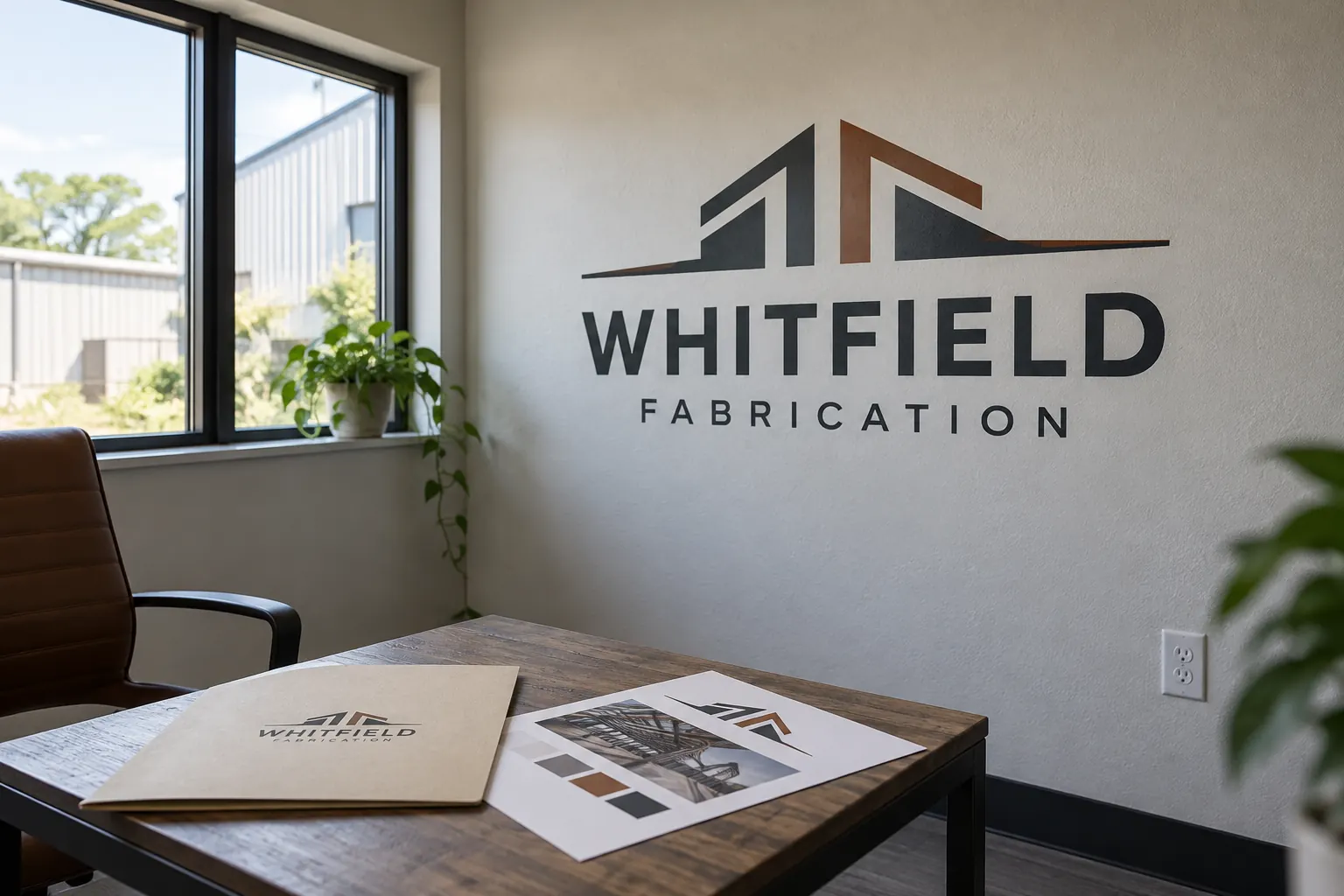
Original fictional commercial planning concept; not a completed customer installation.
Identify the wall and the intended graphics task
Give the actual wall a plain location reference and record what the business wants the graphics to communicate. State whether the request concerns a mural, selected identity elements or another defined treatment. Keep the wall separate from adjacent surfaces that may have different finishes or proposed work.
Record the current premises contact and the person approving the message. A design owner may know the desired appearance without controlling paint or building records. Identify those source roles early. The provider needs one understandable project reference with actual areas and responsibilities, rather than an attractive inspiration image accompanied by a request to find any wall product that will make it happen.
Collect overall views and relevant surface details
Supply current photographs showing the whole proposed area and useful details of the finish, existing treatment, openings and nearby features. Identify each view and retain originals. A close texture image without its location can be difficult to connect with the actual mural scope, while an overall room image may not show the detail the provider asks to assess.
Use observations rather than diagnoses. Record what is visible and what the premises contact supplies about the wall. If condition or history is uncertain, identify the question and owner. Do not describe a surface as suitable merely because it looks clean in a photograph. The package should help the provider identify the real assessment needed for the proposed system.
Find the actual composition and finish sources
Ask the responsible premises team for available wall and finish information, including the actual coating or previous treatment records where known. Record their source and relationship to the named area. Label provisional or missing information clearly. A recollection that the wall was painted recently should not be converted into a verified product or readiness fact.
An illustrative entry can read North Meeting Wall, composition supplied by facilities record, finish source current paint reference, photographs north-wall-overall and north-wall-detail, assessment pending provider review. These are example fields. The real owner supplies the actual information. Keeping the sources explicit makes it easier to request a missing record instead of asking the designer to infer wall history from an office concept.
Connect the product proposal with surface assessment
Ask the provider what actual information and assessment are needed for the proposed wall treatment. Record the product and review references supplied through the project. 3M’s wall bulletin explains that no single film or adhesive performs best across every paint it tested. The practical planning implication is to keep the actual finish and project-specific assessment visible.
Use the guidance applicable to the proposed system. This example is not a universal film recommendation or a buyer-performed adhesion procedure. Do not invent a cure period, cleaning recipe or acceptance value to fill the form. Keep the provider’s actual assessment requests and responsible contacts connected to the current wall source.
Primary reference: 3M Application: Walls, Revision A, December 2024.
Record dimensions and interruptions by source
Include dimensions or drawings already supplied for the project and identify their units, area and status. Show doors, windows, outlets and other relevant features in the current context. Keep buyer reference information distinguishable from the dimensions and decisions used by the responsible project process for actual work.
Ask what further survey is needed. If the fit-out changes a feature, identify the affected wall reference and source update. The crop-planning record can use the verified project geometry to review the artwork composition, but a pleasing crop should not settle surface or dimension questions. Keep those decisions connected without turning one into unsupported evidence for the others.
Keep site readiness and requested scope explicit
Record actual access arrangements, relevant fit-out dependencies and the person supplying readiness information. State the desired timing separately from confirmed work arrangements. If finish or surface information remains pending, explain what is available now and ask what the provider can assess at this stage.
Describe existing graphics and the intended change with photographs and available history. Ask the proposal to define the actual work and responsibilities. Do not assume that a mural total covers every preparation, removal or building task. A clear package lets the buyer compare what is proposed and gives the provider a practical route to clarify the scope before dependent artwork or scheduling decisions progress.
Prepare a source-linked wall graphics inquiry
Send Pelican Wraps the actual wall reference, current overall and detail photographs, supplied finish information, dimensions with status, proposed message and relevant premises sources. Identify unknowns, their owners and the requested project stage. Ask what additional assessment or survey is needed for the real surface and treatment.
Use the local worksheet below to retain the evidence and next actions. Use wall murals and interior graphics for the commercial discussion and the mural-crop record for composition decisions once the geometry is identified. A useful wall survey package is a findable account of the actual area and available sources. It gives the project a more reliable starting point than an unqualified ready label based on an image or remembered paint date.
Draft and Download Your Working Record
Draft your entry, then download a copy before leaving. Send any project decision through the communication process agreed with your supplier.
Frequently Asked Questions
Take the Next Step with a Clear Project Brief
Continue with the resource that matches your next decision:
- Signs & Graphics
- Wall Murals & Interior Graphics
- Commercial Signs
- Commercial Wall Mural Artwork Crop Planning
- Artwork Guidelines
- Request a Quote
Send the actual vehicle or surface photographs, quantities, approved brand files, requested coverage and timing constraints. Identify open questions so the project review can address your equipment and business needs.
