
Northshore Vehicle Wraps and Fleet Graphics: Choose the Actual Project Route
Plan Northshore commercial vehicle and fleet graphics through Pelican Wraps in Harvey. Choose the city-specific route or describe the actual operating locations, then connect vehicle information, approved identity and release arrangements in one clear project brief.
Choose the Northshore route that matches your project
Use Slidell planning when dispatch and release of working vehicles are the immediate issue. Use Covington and Mandeville planning when adding or adapting vehicle configurations is central. If the assets are based elsewhere in the region, state the actual city and operating location in the brief.
The Northshore tourism map resources provide geographic context; use actual asset addresses for the project record. This regional page helps choose a route rather than identify another office. Pelican Wraps uses 1201 MacArthur Ave, Suite B, Harvey, LA 70058, and project-specific work and access arrangements still need confirmation.
| Record | Include in the brief |
|---|---|
| Regional route | Actual city and relevant Slidell or Covington/Mandeville planning page |
| Operating locations | Real asset addresses rather than one regional label |
| Shared standard | Master identity plus fitted configurations and approved variable data |
| Accepted arrangement | Actual work location, release owners and confirmed availability |
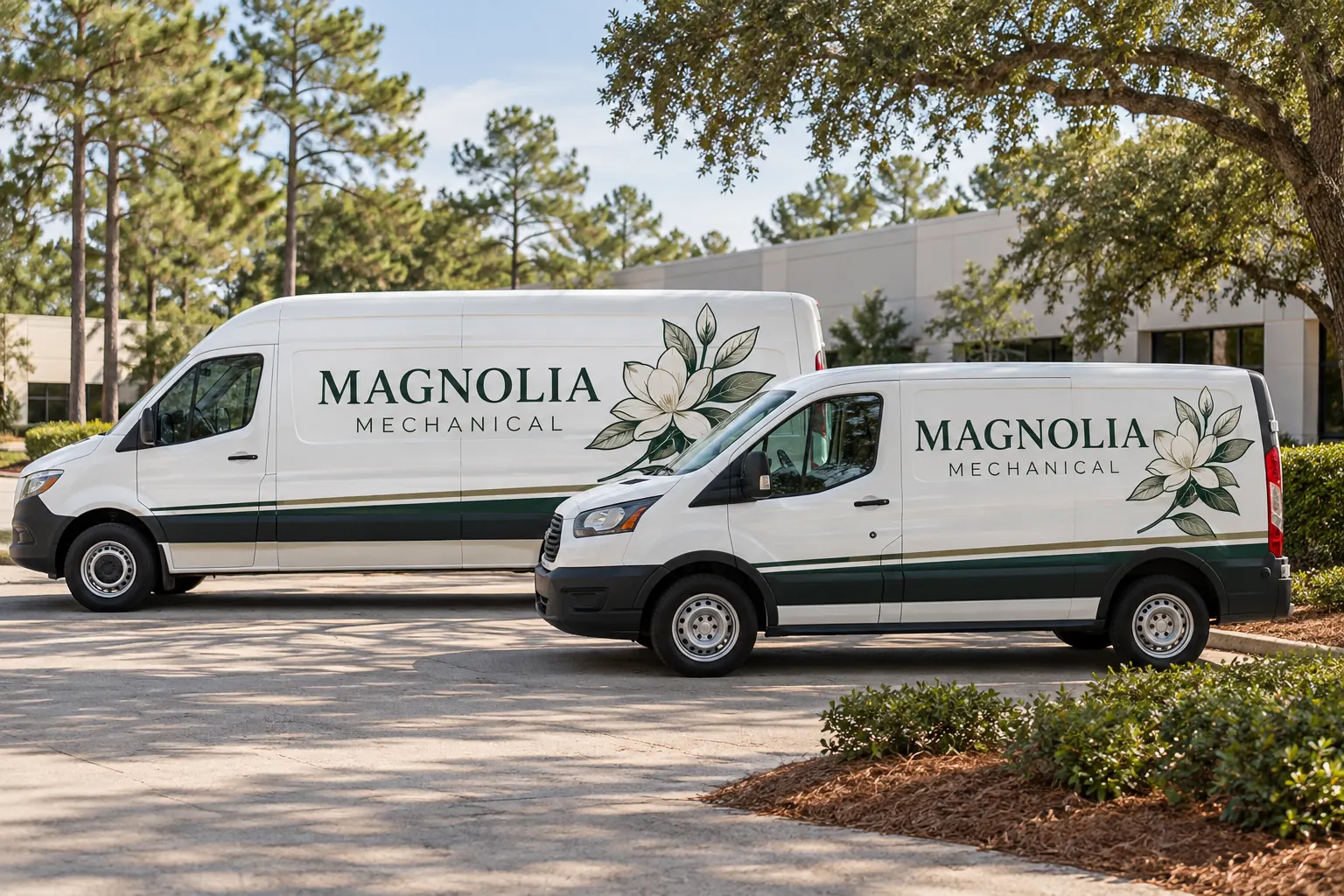
Fictional commercial design concept; not a local customer installation or a photograph of Pelican Wraps premises.
Decide whether the project arrangement fits before moving assets
Begin with photographs, configuration quantities, approved identity and intended coverage. Identify where units operate and the people controlling their release. These facts support an initial scope discussion before a working vehicle is moved or an early date becomes an assumed appointment.
Use Harvey handoff planning for the actual base-location discussion. The enquiry should confirm relevant receiving, transport and work arrangements and supplier availability. A regional service-area page does not establish an installation team at every location, a fixed travel time or permission to access every facility. Keep the real scope and arrangement explicit so the buyer can decide whether to proceed.
Keep regional operating groups within one identity standard
A buyer may have units assigned to different operating contacts while wanting one recognizable business identity. Retain current master artwork and define which information is fixed and which genuinely varies. Branch wording, destinations and internal unit references need clearly labeled sources and approvers.
Use multi-branch planning and design standards to organize the shared record. The fictional Magnolia Mechanical vans illustrate one visual family across different bodies. They are not evidence of a Northshore customer network, completed installations or branch locations. Use the actual units and authorized business information for a real program.
Separate configuration, coverage and starting condition
Record actual body dimensions, roofs, doors and equipment and identify genuine repeat groups and exceptions. Describe the faces and boundaries for full, partial or lettering alternatives. Then attach relevant old-graphic, repair and finish information to the actual units rather than assume a shared model establishes shared readiness.
Use the inventory worksheet and coverage comparison where useful. Each tool serves a distinct planning task and uses your entries without confirming product fit or a price. The actual proposed system, included work and unresolved condition questions need review before a fitted design becomes a production instruction.
Build movement and release around actual unit constraints
Record proposed start and end windows, release owners and outstanding dependencies by unit or sensible batch. Identify transport, substitute vehicles and access responsibilities through the operator process. A regional fleet should not assume every operating group can release the same quantity on the same day.
Use the rollout planner to retain the record and current Louisiana 511 information for journey questions. Confirm the actual supplier arrangement after relevant scope and readiness decisions. The worksheet does not book dates or approve a route for every vehicle, and the page does not give universal journey or installation durations.
Name the actual decision owners and keep changes current
Identify the people accepting brand appearance, changing data, fit information, vehicle release and final work. One person may hold several roles, but the record should say which decisions were accepted. A central logo approval does not automatically validate every local destination or unit field.
Keep the request, clarification answers, accepted layouts and relevant commercial assumptions together. If a unit or operating location changes, update the affected instruction and confirm the new arrangement instead of relying on an old regional plan. The most useful fleet standard combines a consistent identity with visible exceptions and current responsibilities rather than force every vehicle and branch into an unverified identical workflow.
Choose the next service or send the regional brief directly
Explore vehicle services when equipment selection is the main question or fleet programs for continuing identity, rollout and replacement needs. Use the relevant city route when it helps explain the handoff. You do not need to complete every guide or worksheet before starting the enquiry.
Send the Northshore project brief with actual units and operating locations, photographs, identity files, coverage and proposed timing. Identify approvers and mark open questions. Retain installed photographs, relevant product/care information and approved versions after the work so later additions have a useful starting record without assuming an older file fits every new vehicle.
Frequently Asked Questions
Prepare Your Actual Vehicle Graphics Brief
Send current photographs, vehicle quantities, logo files, coverage preferences and timing. Identify old graphics and paint concerns so the project review can address the actual equipment.
Explore planning resources or request your commercial wrap quote.
