
Harvey and Westbank Vehicle Wraps: Start with the Actual Shop Handoff
Plan commercial vehicle and fleet graphics with Pelican Wraps at 1201 MacArthur Ave, Suite B, Harvey, LA 70058. Share the actual equipment and project details first so coverage, readiness, approvals and work arrangements can be reviewed before the vehicle handoff.
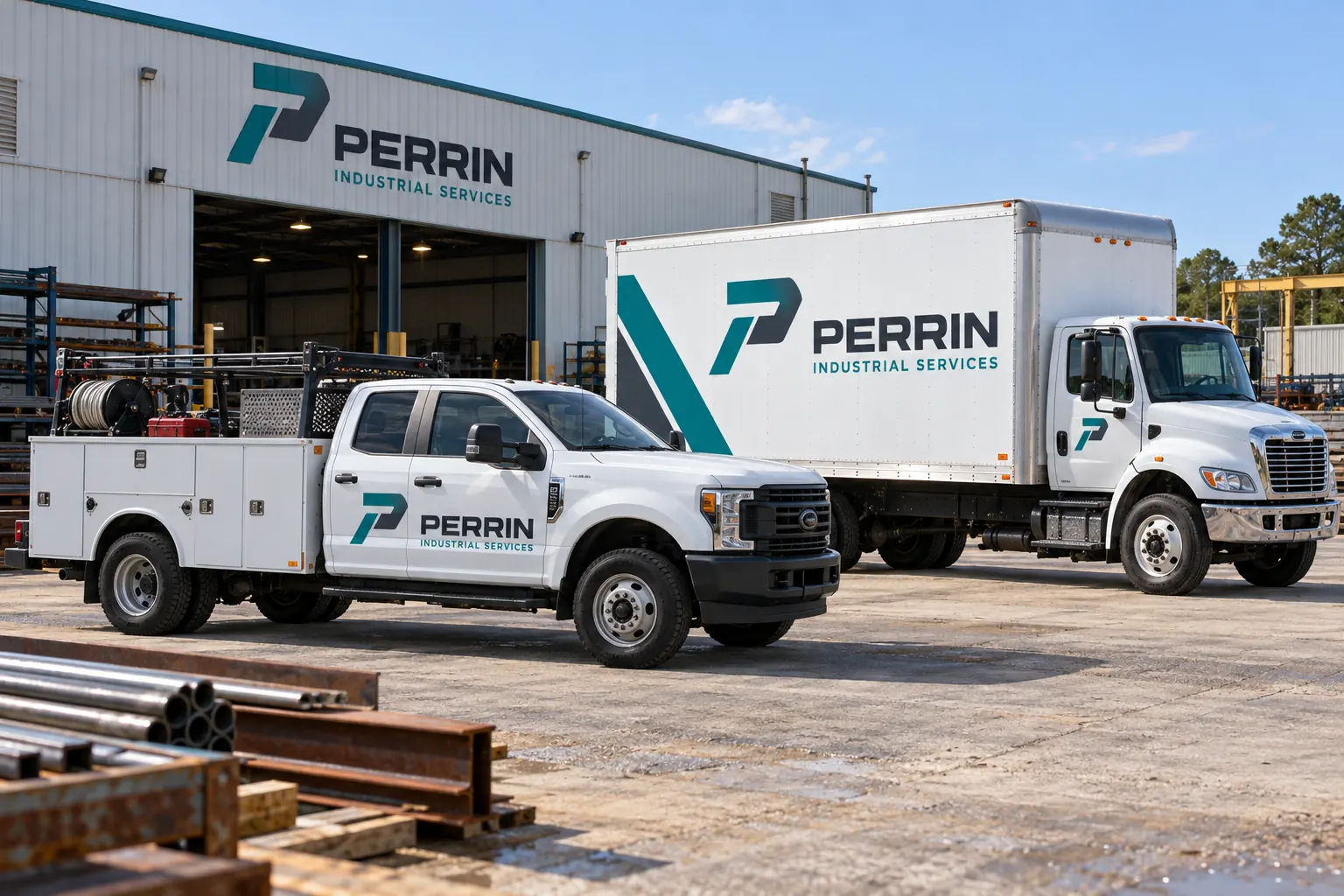
Fictional commercial design concept; not a local customer installation or a photograph of Pelican Wraps premises.
Use the real business destination and confirm the project arrangement
The Pelican Wraps business base is 1201 MacArthur Ave, Suite B, Harvey, LA 70058. Use directions to the Harvey destination when the actual visit or vehicle movement is agreed. The address identifies the business; it does not independently reserve a work window or establish that every vehicle and task is ready to arrive.
Start through the project quote route with the equipment and scope. Confirm the relevant access, release and receiving arrangement before moving a working asset. This page does not invent opening hours, unrestricted walk-in capacity, clearance dimensions or a universal installation process. The useful handoff follows the actual project review and accepted arrangements.
| Record | Include in the brief |
|---|---|
| Before movement | Actual vehicle and scope supplied through the project route |
| Ready instruction | Accepted configuration, wording, fit and relevant condition review |
| Receiving arrangement | Confirmed window, movement and access responsibilities |
| Handover record | Unit, installed photographs, relevant product and care references |
Send photographs and a useful brief before relying on a visit
Identify the vehicle or item, quantity, intended faces and approved business message. Provide overall and close photographs showing actual body construction, doors, equipment and current graphics. Include dimensions where available and label estimates. A concise first brief helps identify the questions that need a closer review.
Use the photo checklist to organize the references. Disclose known finish concerns and repairs and name the decision contact. The fictional Perrin Industrial Services illustration on this page is a concept, not a photograph of Pelican Wraps premises or a completed local customer fleet. Your actual equipment and records should guide the scope discussion.
Choose the equipment service and coverage that match the job
Explore box-truck wraps, van graphics or the full vehicle range for the relevant asset. Explain whether the project concerns one vehicle, a repeat program, rebranding or a damaged graphic area. The equipment and purpose determine which questions matter next.
Describe intended faces and compare full coverage, partial coverage and lettering through actual boundaries and message hierarchy. Use coverage comparison when alternatives help. The worksheet organizes your entries; it does not select a film, estimate area or confirm a quote. Keep actual proposed products and included work with the commercial response.
Resolve readiness separately from vehicle availability
Provide old-graphic history, finish information, known repairs and current condition photographs. Mark concealed or uncertain details for review. A free vehicle window does not establish a suitable starting surface, and a new graphic is not separate bodywork or paint repair.
Use preparation planning and identify the owner of any earlier vehicle task. Ask the scope to distinguish removal, preparation and installation where relevant. A unit can be listed for planning while a readiness question remains open; it should not be treated as ready merely because the driver can bring it to the destination.
Connect the approved file with the actual asset arriving
Keep the unit reference, configuration, accepted layout and changing data together. Name the people approving the commercial identity, operator information, measurements and production release. A general logo acceptance should not be applied automatically to a different van length or a service body with other compartment details.
Use the inventory worksheet for repeated work. If the planned unit changes, review the actual fit, condition and scope before using the same instruction. The Harvey destination is the same, but the file and work can differ between assets. A clear receiving record identifies what is arriving and which accepted version belongs to it.
Confirm release, transport and receiving responsibilities
State proposed dates and the operational constraints behind them. Identify who controls keys, transport, access and the return-to-work handoff through the actual project process. Ask the supplier to confirm availability and any relevant vehicle or access requirements. Do not infer facility capacity from a concept image or the nominal name of a truck.
Use official Louisiana 511 information for the actual journey and current route questions. This page does not give a fixed travel or work duration. Keep the accepted window and responsibilities with the unit so a target date, map destination or enquiry cannot be mistaken for a confirmed installation booking.
Retain the installed record for continuing Westbank fleet work
Keep the accepted layout, unit data, relevant product references, installed photographs and care guidance. Record changed contact information and equipment before requesting a repeat. A useful handover should let the next project review identify an actual face and configuration without reconstructing the original discussion from a single screenshot.
To begin, send the Harvey or Westbank project brief with actual assets, photographs, artwork, coverage and timing. Use Gretna planning or Marrero planning for related buyer situations. The business location remains the same; each project needs its own real scope and accepted handoff rather than a promise of identical work for every vehicle.
Frequently Asked Questions
Prepare Your Actual Vehicle Graphics Brief
Send current photographs, vehicle quantities, logo files, coverage preferences and timing. Identify old graphics and paint concerns so the project review can address the actual equipment.
Explore planning resources or request your commercial wrap quote.
