
Portable Storage Container Graphics
Portable storage container graphics need a clear connection between the actual container, the business's current identity and the physical areas proposed for graphics. This planning guide prepares that connection for a provider's assessment. It records side and door instances, current surface evidence, existing identification and availability. It focuses on a portable storage unit's business graphics request, without treating a fictional illustration as proof of container condition, suitability, contents or ownership instructions.
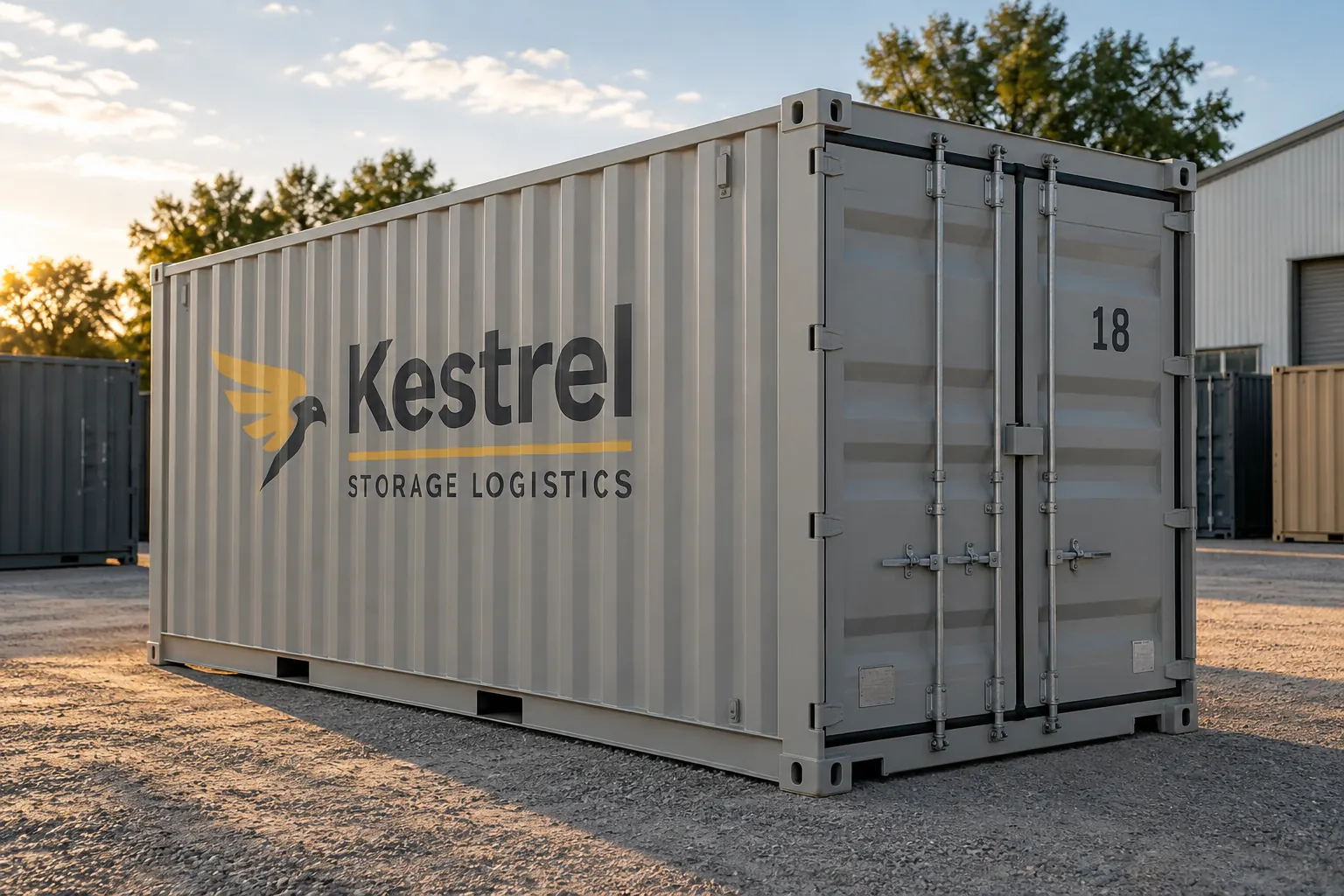
Original fictional commercial planning concept; not a completed customer installation.
Identify the actual storage container and intended message
Start with the business unit reference, current container description and contact responsible for the request. Supply overall photographs showing the actual unit. If several containers are included, map the photographs and requested instances to each one. Do not assume that every unit has the same doors, side configuration or graphics history because the business hires them for similar uses.
State what the proposed identity should communicate. A storage company’s name, a unit identifier and a contact instruction serve different reader tasks. Provide the current approved source for each requested value. Keep the brief tied to the real business message rather than adding claims about security, contents or performance merely because they look plausible on a large container side.
Map side and door areas separately
Give each proposed graphics area a reference connected to overall and closer views. Show the actual side profile, corrugation, panel boundaries and relevant existing features. Document doors and their hardware separately if they are included. A clear side photograph should not be treated as evidence of what is available on the closed door faces.
An illustrative request can identify left side company identity, right side company identity and one separate unit identifier. The real buyer must supply the actual assignments and evidence. Ask the provider what additional survey or information is needed. Do not turn the apparent width of an image into a production measurement, or assume a layout that looks balanced on one container transfers unchanged to another.
Record surface and existing graphics history honestly
Provide available current finish information, previous graphics references and observed condition through the owner. Connect each note to the relevant unit and area. If the business does not know the finish, old material or work history, record that gap. The provider needs the actual question more than a confident but unsupported description of a familiar-looking painted surface.
Keep observed condition separate from a prediction about preparation, removal or the underlying surface. Ask the proposal to identify assessment and work concerning existing graphics where relevant. A request for new company identity should not quietly assume that all previous treatment disappears without further evaluation. Retain current evidence so alternatives can be discussed against the same starting situation.
Preserve existing identification and functional context
Record visible original plates, labels, door hardware and other information near the proposed areas. Ask the responsible container owner which actual instructions apply to the requested work. Keep those sources and unresolved questions with the unit record instead of relying on the designer to decide the importance of a feature from a photograph.
If the container has a distinct owner and operator, identify who supplies the branding decision and any actual authorization record the business uses. Do not infer permission from possession of a logo file or a delivery image. Keep the inquiry’s scope explicit. The project team should understand which business message is being proposed and which equipment or ownership questions still require an answer from their responsible source.
Define quantities, alternatives and availability
List requested graphic instances by unit and area before summarizing the total. Distinguish the proposed work on each side or door. If the business wants alternative coverage levels, use the same unit list, current copy and evidence so the comparison changes an identified treatment rather than quietly changing the whole request.
Identify the contact coordinating the container’s actual availability and location for assessment or work. Record requested timing separately from confirmed arrangements. A delivery or relocation plan may affect which actual unit is available; keep changes visible in the graphics record through the normal process. Ask the provider what is included and which dependencies remain before treating the selected option as a complete work instruction.
Review the layout on the correct container evidence
Compare company copy and unit identifiers with their current sources. Match every layout reference to the intended actual side or door. Review the relationship to the recorded features and supplied owner instructions. Keep appearance decisions and unresolved physical assessment questions distinguishable, with one current proof and consolidated comments.
If a different container is substituted, identify that change and obtain the relevant evidence and review instead of carrying the original approval across automatically. A matching business identifier does not make the physical evidence interchangeable. Preserve earlier records as history and show what changed in the active request. The useful decision is specific enough that another coordinator can understand which actual unit and instances the selected proposal concerns.
Keep a portable container graphics handoff
Use the local worksheet for actual unit identification, approved copy, proposed areas, surface history, owner instructions and availability. Retain the real photographs and source references through the normal business process. After actual work, add the project and current evidence references so a later replacement inquiry does not depend only on the old concept or proposal.
Send Pelican Wraps the unit list, actual overall and area views, approved artwork, requested instances and known history. Identify owner or operator decisions still pending and the coordinating contact. Use equipment graphics for the wider proposal and the owner-versus-operator checklist where roles need resolving. A useful handoff makes the actual portable storage unit, the requested business identity and the assessed graphics scope easy to reconcile.
Draft and Download Your Working Record
Draft your entry, then download a copy before leaving. Send any project decision through the communication process agreed with your supplier.
Frequently Asked Questions
Take the Next Step with a Clear Project Brief
Continue with the resource that matches your next decision:
- Equipment & Machinery Graphics
- Equipment Owner vs Operator Branding Checklist
- Rental Equipment Unit Number Decals
- Request a Quote
Send the actual vehicle or surface photographs, quantities, approved brand files, requested coverage and timing constraints. Identify open questions so the project review can address your equipment and business needs.
