
Elmwood and Harahan Vehicle Wraps and Business Graphics
Coordinate commercial vehicles and related property graphics for an Elmwood or Harahan business through Pelican Wraps in Harvey. Build one recognizable identity while keeping each site, surface, asset and approval attached to a clearly defined item schedule.
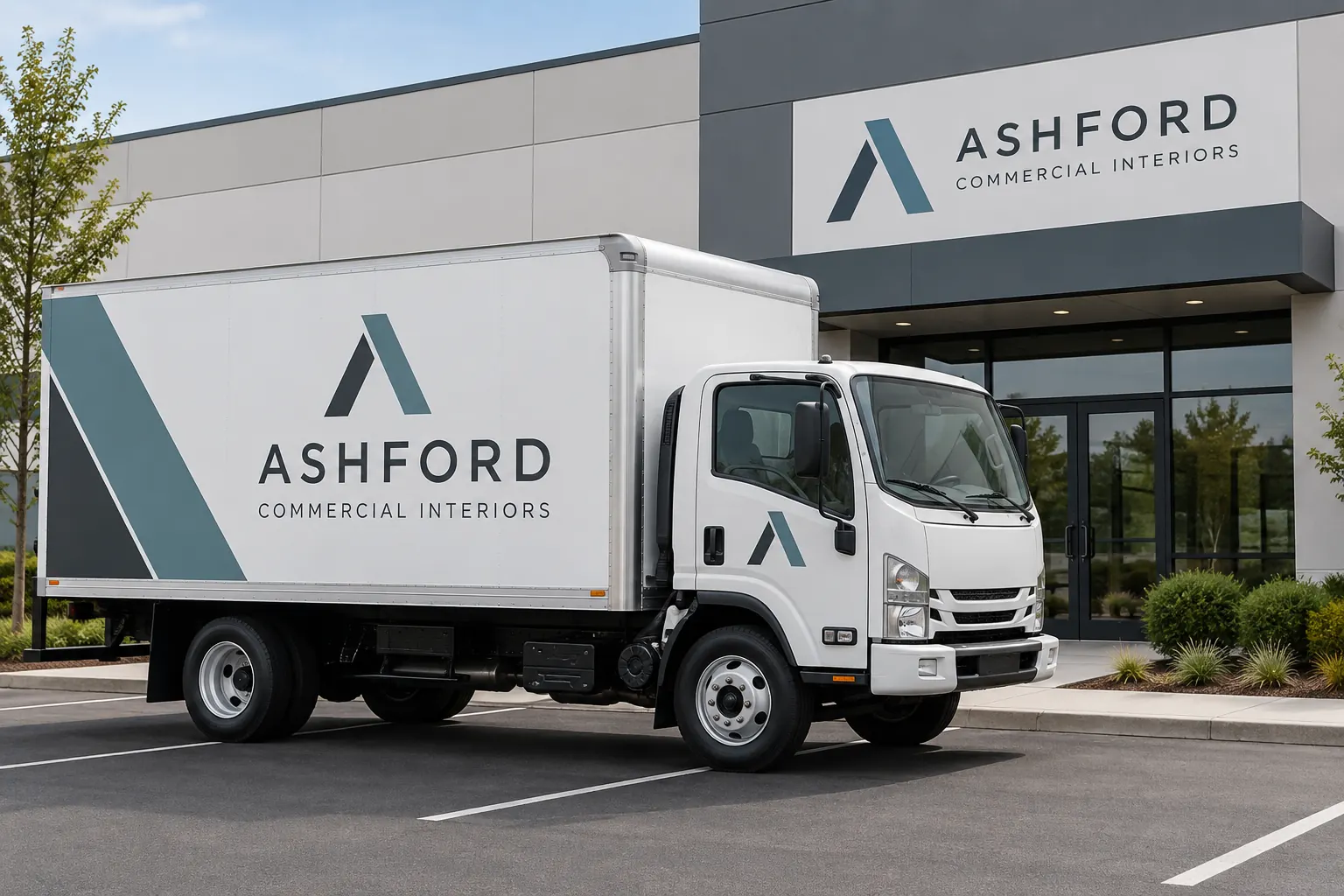
Fictional commercial design concept; not a local customer installation or a photograph of Pelican Wraps premises.
Identify the real project addresses and commercial assets
Start with the actual vehicle list and any related property items. Record where assets are kept and which building or surface each item concerns. An Elmwood or Harahan project label is useful context, but it should not replace the actual addresses and responsible contacts needed to understand the work.
Explore commercial vehicle services and property graphics for the relevant applications. Pelican Wraps uses the Harvey base at 1201 MacArthur Ave, Suite B, Harvey, LA 70058. This page does not establish an office in either area or confirm installation at every customer property. Describe the actual proposed arrangement in the initial brief.
| Record | Include in the brief |
|---|---|
| Item location | Actual vehicle face or property address and surface |
| Customer purpose | Recognition, destination, entrance or other useful item role |
| Current identity | Approved source files and changing-field acceptance |
| Separate authority | Business wording, property permission and vehicle-release contacts |
Build an item schedule instead of one undefined brand package
List the vehicle faces, signs, windows or other intended items separately and give each a purpose. Include approximate size, quantity, message and location, with estimates clearly marked. The schedule should explain which items introduce the business, identify the destination or support a visitor decision after arrival.
Use the connected-package scenario for the record structure. The fictional Ashford Commercial Interiors image illustrates coordinated identity, not actual local premises or a completed package. An attractive combined picture cannot establish every measurement, substrate and installation task. The item schedule makes those decisions visible before design and commercial work are treated as one accepted scope.
Keep one identity master with separate fitted outputs
Supply current source artwork and approved business wording. Retain the logo proportions, palette and message hierarchy while adapting the composition to the actual vehicle and property faces. A box-truck side can carry a broad identity; a door or narrow sign may need a different arrangement and less supporting copy.
Use the artwork guide for handoff and identify changing contact, unit or location information as separate fields. Name its approver and keep acceptance with the relevant item version. Shared branding should make recognition consistent without allowing an old destination or unofficial local variation to become an accidental master for later production.
Survey property and vehicle surfaces through their own records
Provide overall and close views for the actual vehicle configuration and each proposed property location. Include doors, seams, hardware, existing graphics and visible condition concerns. Record relevant dimensions and who will verify them before production. Keep the source photographs labeled so multiple entrances or similar vehicles cannot be confused.
Use vehicle survey planning for the asset side. For property work, identify the actual owner or manager and applicable review responsibilities through the responsible parties. A business-area name does not independently determine permission or a particular authority process, and a logo proof does not verify final fit or surface readiness.
Set essential identity and optional items before comparing amounts
Choose the items required for recognition and a useful arrival route and separate optional campaign or decorative work. Describe intended vehicle coverage by actual faces and boundaries. A phased package should preserve those essential functions rather than reduce a vague all-in request without understanding what each item does.
Use the quotation checklist to request equivalent included work and exclusions. Ask the response to distinguish design, removal, preparation, production, installation and relevant access or transport. A common identity does not establish one material, starting condition or commercial assumption across all the vehicle and building surfaces.
Coordinate approvals without merging site and vehicle authority
Identify who can approve business wording, each property change, final measurements and vehicle release. Keep actual access and work windows attached to the relevant items. The person choosing a visual direction may not control the building, transport or daily vehicle availability.
Use release planning for the fleet part and current Louisiana 511 information where journey planning helps. Confirm supplier availability and actual installation arrangements through the project process. A package enquiry does not automatically book all items together, establish property permission or guarantee a travel or completion duration.
Retain separate installed records for easier future changes
Keep the master identity plus accepted layouts, dimensions, product references and installed photographs for each asset and property item. Record care guidance and changing information. A replacement vehicle may need a fit review while the building identity remains current, and a changed entrance message may not require any vehicle work.
To begin, send the Elmwood or Harahan item brief with the actual addresses, vehicles, photographs, approved artwork and timing. Use the related coordinated-graphics route when the main question is the customer arrival experience. The scope should describe real items and accepted responsibilities without inventing a local branch, customer property, permission or measured conversion result.
Frequently Asked Questions
Prepare Your Actual Vehicle Graphics Brief
Send current photographs, vehicle quantities, logo files, coverage preferences and timing. Identify old graphics and paint concerns so the project review can address the actual equipment.
Explore planning resources or request your commercial wrap quote.
