
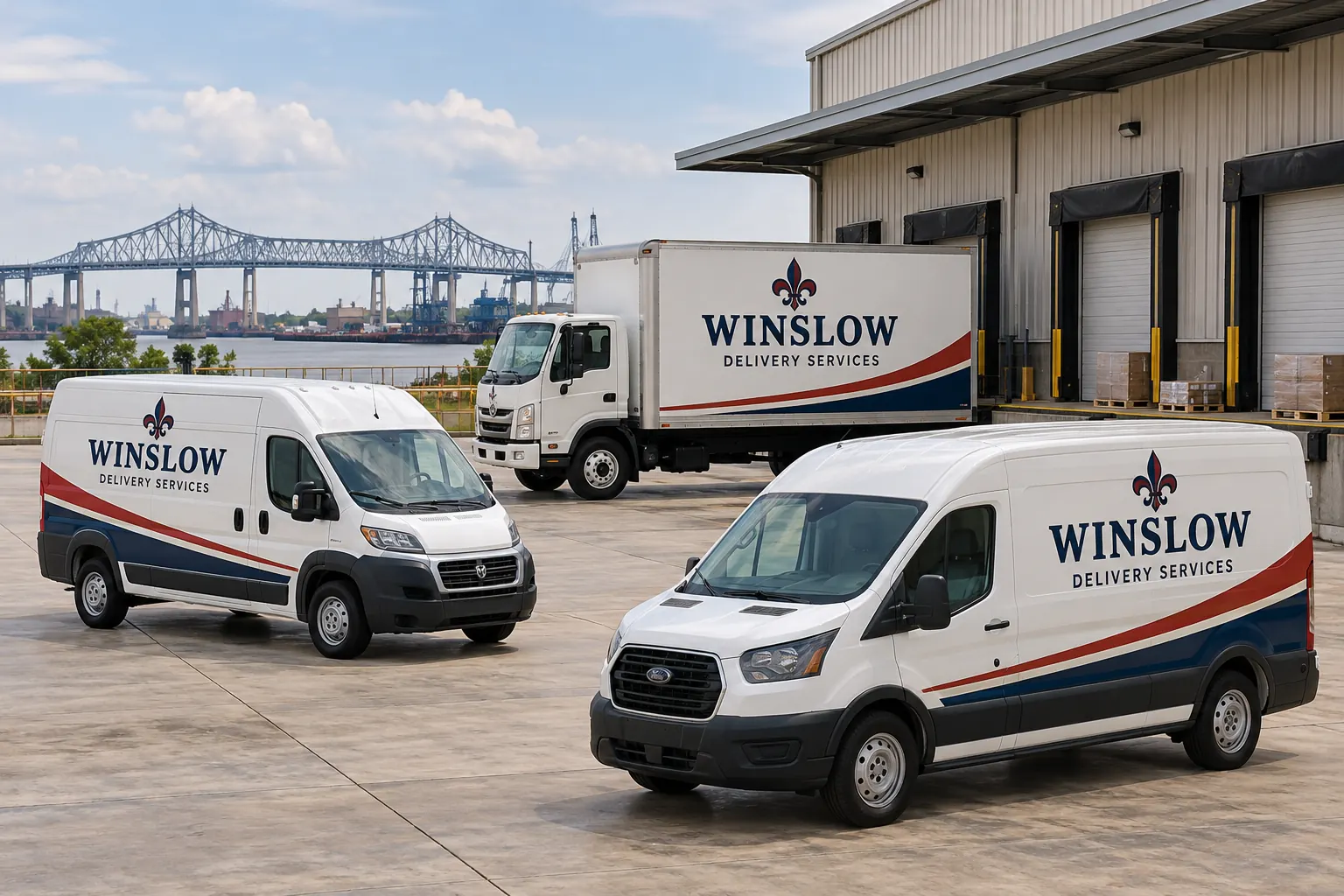
Fictional commercial wrap design concept; not a completed customer installation.
Define which clock the turnaround question refers to
A buyer may mean the time from first enquiry to a finished identity, the period after artwork approval or the time a working vehicle is unavailable. Those are different measures. State which one matters to the business before comparing a promised duration or arranging drivers and replacement equipment.
The full project may contain decisions that happen before the vehicle leaves service, while removal or condition review may add work after release. Use a stage list rather than treating a broad term such as wrap time as a complete appointment. The useful answer comes from the actual accepted scope and readiness, not a universal duration applied to every van, truck, trailer and fleet batch.
Resolve the brief and artwork before relying on production dates
Provide the vehicle configurations, current photographs, desired coverage, source files and accurate business wording. Name the final approver and identify which layouts repeat across the fleet. Missing model details or conflicting comments can leave the project undecided even when a preferred installation date has been mentioned.
Use the artwork guide to organize the source package and the readiness checklist for the wider gates. Keep artwork approval as a defined decision. A preliminary concept or a quote enquiry is not a production approval, and an intended launch date does not establish that all required files and configuration layouts are already accepted.
Include removal and surface-readiness dependencies
Document old graphics, repairs and coating concerns before setting the vehicle-release assumptions. Identify whether removal and subsequent condition review are included. If repainting or bodywork is needed, collect the actual readiness information and keep that handoff separate from the artwork decision.
The preparation guide and paint-readiness guide help organize those questions. A visually finished repair does not automatically answer every film-system requirement. If a concealed issue appears after removal, the accepted process needs a responsible decision owner rather than a schedule that assumes the next stage must proceed regardless of the changed condition.
Match the installation scope to the actual configuration
Record the covered faces, hardware, contours and meaningful body differences. A broad box-truck side, a compartmented service body and a van with several doors are different layouts. A package that includes removal or multiple material constructions also differs from a simple new lettering installation on a ready surface.
Ask the project team to describe its actual scheduling assumptions after the configuration and scope are understood. Do not transfer a manufacturer example for one product or passenger vehicle into a Pelican commitment for an unrelated commercial fleet. The review should address the actual equipment, included work and installation arrangement rather than rely on a general internet estimate detached from the job.
Plan the operating handoff as well as the graphics work
Identify who delivers each asset, who collects it and when the business needs it back in service. Record any units that cannot be unavailable together and any driver or site constraints. Those details can change the practical release plan even when the graphic package is repeated.
Use the rollout planner to record proposed unit or batch windows and review overlaps. It does not reserve capacity. Confirm actual appointments separately with the project team and keep the accepted release plan current when an asset becomes unavailable. A clean calendar entry is useful only when it reflects the real vehicle, people and dependencies needed for the handoff.
Use milestones and contingencies deliberately
Separate target dates from accepted commitments and record what must happen before the next stage. Identify who can resolve a changed condition, delayed approval or unavailable vehicle. A contingency allowance should be a deliberate planning decision rather than an unexplained promise that every unexpected issue is already covered.
The backward timeline builder uses your own calendar-day allowances to expose stage dependencies. It does not supply production durations, account automatically for holidays or prove the target is feasible. Discuss scope or phases if the model shows an impractical starting point. Do not shorten assumptions merely to create an attractive output while the same unresolved tasks remain.
Confirm handover and record the actual outcome
Agree the return process and the information the fleet receives, including the accepted artwork and relevant care guidance for the installed system. Keep any product-specific aftercare or use conditions tied to that job rather than substitute one generic instruction for every material and finish. Record the actual handover and any follow-up items through the project process.
For a scheduling review, send a complete commercial brief with the equipment list, photographs, artwork status, removal needs and release constraints. Explain the business target and which part of turnaround matters most. The project team can then define the scope and actual arrangements with the information needed to make the dates meaningful.
Frequently Asked Questions
Turn Your Vehicle Details Into a Clear Project Brief
Send current photographs, vehicle quantities, logo files, coverage preferences and timing. Identify old graphics and paint concerns so the project review can address the actual equipment.
Explore planning resources or request your commercial wrap quote.
