
Can You Wrap Over Scratches, Rust or Dents? Review the Surface First
A vehicle wrap is a graphic application rather than a repair to the body or coating. Document visible defects and known repairs, then review the actual surface and selected material before deciding whether work must happen ahead of installation.
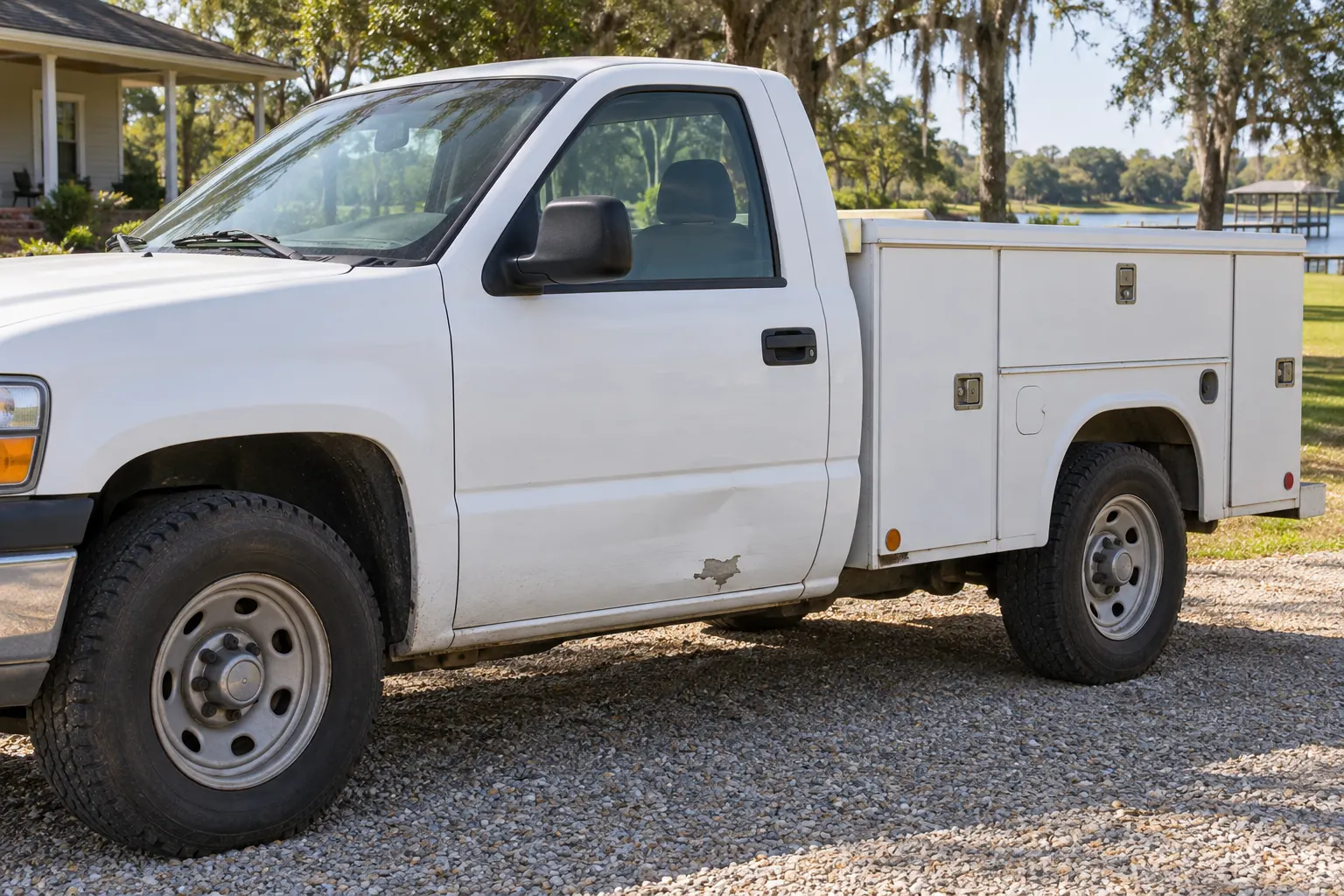
Illustrative planning concept; not documentary customer photography, a diagnosis or verified readiness record.
Separate a design question from a condition question
The design asks where the business identity should appear and how the coverage will fit the vehicle. The condition review asks whether the actual surface is suitable for the proposed graphic system. An approved layout can answer the first question without resolving the second. Keep both decisions in the project record.
Do not treat a larger printed area as a general way to hide unresolved vehicle problems. Identify scratches, rust, dents and coating concerns before production rather than hoping the graphic will make them irrelevant. The appropriate next step may involve inspection, repair or a revised scope, and that decision needs the actual evidence rather than a generic statement that vinyl covers everything.
Document the defect and its surrounding context
Take an overall image showing the affected face and a close view of the concern. Identify the unit, panel and any known event or repair history. A tightly cropped scratch photograph can conceal surrounding loose paint, a panel seam or a changed body shape relevant to the review.
Use the photo checklist to organize the images and describe what is known. Photographs support the initial conversation but do not diagnose all underlying conditions. Mark uncertainty rather than labeling every surface defect cosmetic or safe to cover. The team needs to understand both the visible issue and the limits of the information provided.
Expect the actual material guidance to matter
Manufacturer instructions address substrate condition because film is applied to the existing surface. For example, the 3M Protection Wrap Film guide notes that defects can show through that product and affect its performance. That specific guidance should not be replaced by a claim that a graphic can flatten or repair damaged bodywork.
Review the current instructions for the actual proposed system and coating. Do not transfer a product-specific warranty or preparation method to a different material without review. A premium category name and a polished sample do not establish that the asset is suitable. The accepted scope should identify the surface assumptions and any condition that must be resolved first.
Assign repairs and coating readiness explicitly
If repair is required, identify the responsible party and the information needed before graphics can be accepted. Record the affected panels, coating system and relevant readiness requirements where repainting is involved. Keep bodywork, surface preparation and new graphics distinct so the business understands who performs and approves each stage.
Use paint-readiness planning for that handoff. A repaired panel that looks finished still needs review against the applicable coating and film guidance. Do not substitute a universal number of days for the actual requirements or assume a graphics quote includes all bodywork unless that work is expressly included in the accepted proposal.
Review old graphics and concealed areas honestly
Older vinyl may hide condition that is not fully visible during the first photo review. Provide any known installation and repair records and identify what must be removed. Keep the uncertainty visible in the removal and replacement scope rather than describing the vehicle as clean and ready before the concealed surface has been assessed.
The removal guide explains that stage, while repair versus replacement planning helps compare graphic boundaries afterward. A small damaged area may need a broader review if the surrounding coating or identity also requires attention. The actual condition and commercial objective should drive the options, not an arbitrary patch size.
Connect changed condition to artwork and scheduling
If repair changes a panel, body shape or accessory, update the photographs and fit information before producing the replacement. A retained layout may need adaptation even when the business identity remains the same. Keep protected areas and required operational information clear through the responsible fleet review.
Update release windows and readiness dependencies when the condition or repair plan changes. Name the person who can approve the revised scope so a vehicle is not left waiting on conflicting instructions. The release planner can organize the dates you enter, but the actual project process must still confirm surface readiness and supplier arrangements.
Choose a scope supported by the evidence
Review the vehicle condition, repair responsibilities, coverage and business message together. Ask the proposal to identify any excluded repair work and unresolved condition assumptions. A useful decision may involve completing repairs first, changing the graphics scope or reviewing the asset further; it should not depend on a guarantee that film will conceal every defect.
To begin, send a surface-condition brief with the unit details, overall and close photographs and known history. The preparation guide helps connect that information to the handoff. Retain the condition and repair records with the installed graphics so future removal or replacement enquiries begin with the actual vehicle history.
Frequently Asked Questions
Turn Your Vehicle Details Into a Clear Project Brief
Send current photographs, vehicle quantities, logo files, coverage preferences and timing. Identify old graphics and paint concerns so the project review can address the actual equipment.
Explore planning resources or request your commercial wrap quote.
