
Houston Fleet Graphics Planning: Qualify the Work Arrangement First
For a Houston fleet enquiry, begin by establishing whether the actual project and work arrangement fit a Harvey-based supplier. Provide asset locations, configurations, intended coverage and movement constraints before developing a fitted production brief or committing working vehicles to travel.
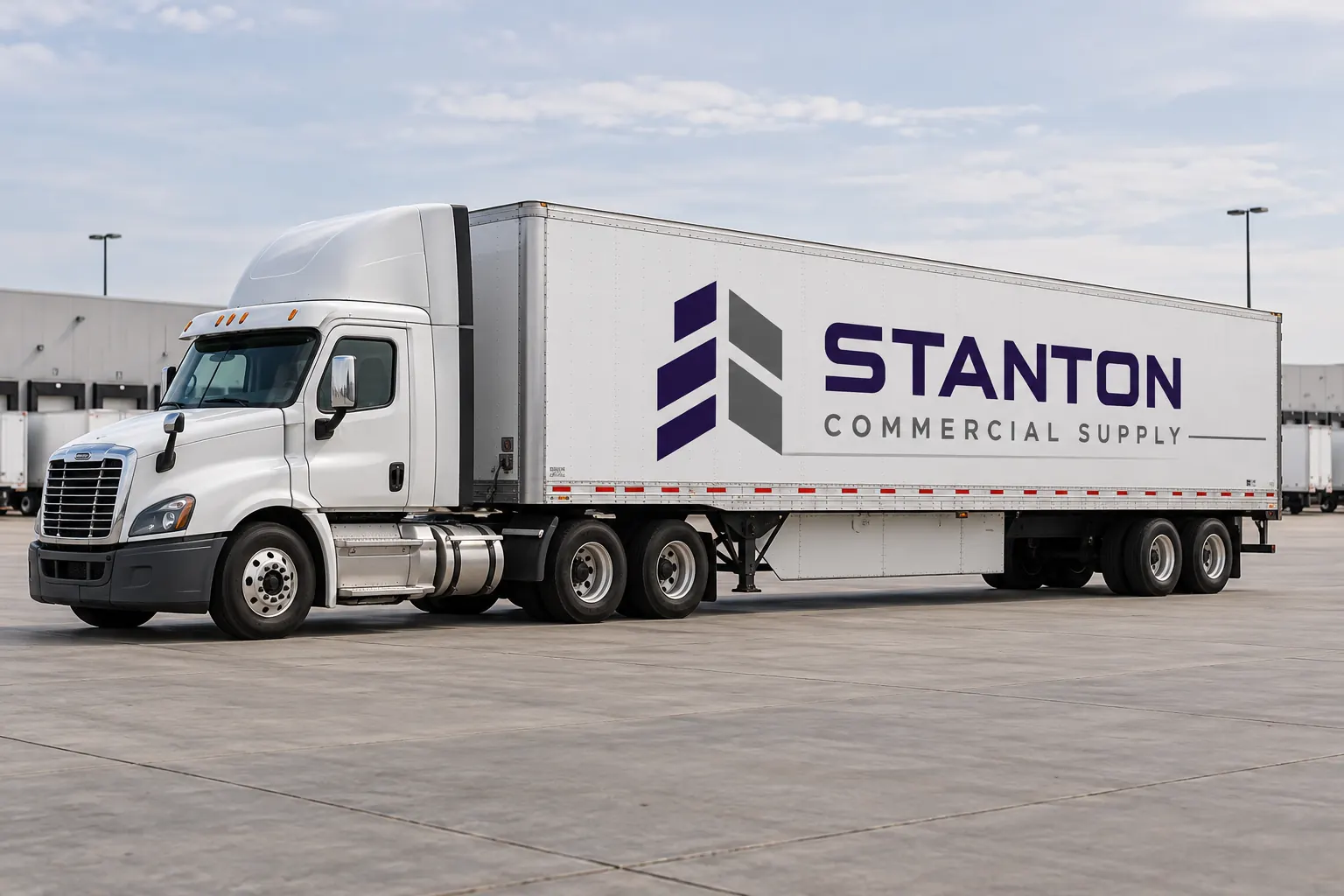
Fictional commercial design concept; not a local customer installation or a photograph of Pelican Wraps premises.
Make the actual work location the first decision
State where the assets currently operate and where you propose the work should occur. Explain any restriction on moving a vehicle and any fixed access requirement. Ask whether the supplier can accept the actual project and arrangement before treating artwork development or a preferred date as a commitment. This is especially useful when a fleet enquiry starts across state lines.
Pelican Wraps uses 1201 MacArthur Ave, Suite B, Harvey, LA 70058. This Houston planning page establishes no Texas shop, local installation team or automatic on-site capacity. Use Harvey handoff planning for the base-location questions. A sensible first outcome is a clear decision about the real work arrangement and the further information needed to evaluate it.
| Record | Include in the brief |
|---|---|
| First decision | Suitability of actual scope and Harvey-based work arrangement |
| Actual assets | Locations, dimensions, configurations, photographs and quantities |
| Movement responsibility | Transport owner, receiving location and operational constraints |
| Accepted next step | Defined commercial scope, fitted approval and confirmed availability |
Describe the real assets rather than a general fleet label
List tractors, trailers, box trucks or vans by actual configuration and quantity. Record operating locations, unit references, body dimensions and equipment relevant to fit and access. Identify whether trailers can be released independently from tractors and whether the enquiry includes both or only selected faces. A fleet total does not answer those questions.
Use the inventory worksheet and tractor and trailer planning. The Stanton Commercial Supply illustration is an original fictional design concept in a generic distribution setting. It is not a photograph of Houston premises or a documented customer. Its identity cannot substitute for actual vehicle data, condition photographs or an agreed receiving arrangement.
Resolve transport and operational responsibility before dates
Name the party controlling vehicle movement, the actual departure and receiving locations and the operating release contact. Identify vehicle dimensions and any equipment or load considerations relevant to that party’s review. Ask what the proposed scope requires at handoff and who handles questions when an asset arrives. Do not assume transport, storage or dispatch services are included.
Use Texas DOT travel resources for official journey information alongside the responsible operator’s review. A website link does not approve a route or establish a universal travel duration. Confirm supplier availability and the actual receiving and work arrangement before committing to substitutes or movement. Keep the proposed date visibly provisional until the relevant scope and operational decisions have been accepted.
Prepare a fitted identity once the arrangement is viable
Provide approved master artwork, the main commercial message and the exact response destination. Identify which elements remain fixed across the fleet and which genuinely vary. A long trailer side can carry a restrained readable identity; adding more words does not automatically make the communication more effective. Review hierarchy against actual faces and interruptions.
Use fleet design standards and artwork guidance. Give the business-data owner responsibility for changing fields and the responsible operator responsibility for applicable required markings. Do not invent carrier numbers or infer them from a fictional scene. Retain approved fitted versions by configuration so later trailers do not receive a file designed for different doors, lengths or equipment.
Keep the commercial comparison tied to a defined scope
Specify quantities, faces, boundaries, design work and relevant removal and preparation assumptions. Provide photographs of old graphics, repairs and finish concerns. Identify which unresolved items need further review and whether separate vehicle work is outside the proposal. A distant project becomes harder to assess if its commercial assumptions remain hidden until the asset moves.
Use the RFQ worksheet and coverage comparison for your own planning record. Their entries do not establish supplier rates or technical approval. Ask the actual response to identify relevant product information, exclusions and accepted responsibilities. Compare alternatives against the same configuration and quantity rather than assuming that all trailer graphic packages describe the same work.
Use batch gates if the enquiry involves several units
Identify the conditions that make each unit ready: accepted layout, approved data, relevant condition review and an agreed release owner. Retain proposed start and return windows and mark dependencies. A shared identity can simplify the artwork record, but it does not establish identical preparation or simultaneous supplier capacity for every unit.
Use the rollout planner to organize these proposed decisions. It does not book appointments or submit entries. Confirm actual supplier availability against the defined scope and transport arrangement before release. Agree who reviews the returning unit and how a discrepancy is recorded. This gives both the operating team and commercial approver a usable record without claiming a guaranteed turnaround or a Texas installation network.
Decide the next step from the real project information
If the arrangement is suitable, move into the relevant fitted service and commercial review. If a work-location or release requirement remains unresolved, make that the next question instead of assuming that more artwork will solve it. Preserve the information already supplied so the business does not repeatedly reconstruct the same asset and approval record.
To begin, send the Houston fleet qualification brief with actual locations, configurations, quantities, photographs, intended faces, identity files and movement constraints. Name the decision and release contacts and give proposed timing. Explore fleet programs for continuing identity and replacement needs. Any subsequent scope and schedule must rest on the accepted actual arrangement rather than a regional page, generated concept or assumed local office.
Frequently Asked Questions
Prepare Your Actual Vehicle Graphics Brief
Send current photographs, vehicle quantities, logo files, coverage preferences and timing. Identify old graphics and paint concerns so the project review can address the actual equipment.
Explore planning resources or request your commercial wrap quote.
