
Gretna Vehicle Wraps and Fleet Graphics: Coordinate Assets That Work Together
Plan a recognizable pickup, trailer, van or commercial fleet identity for your Gretna business through Pelican Wraps in Harvey. Define the actual assets and message first, then keep each layout, condition record and release arrangement clear within the shared project.
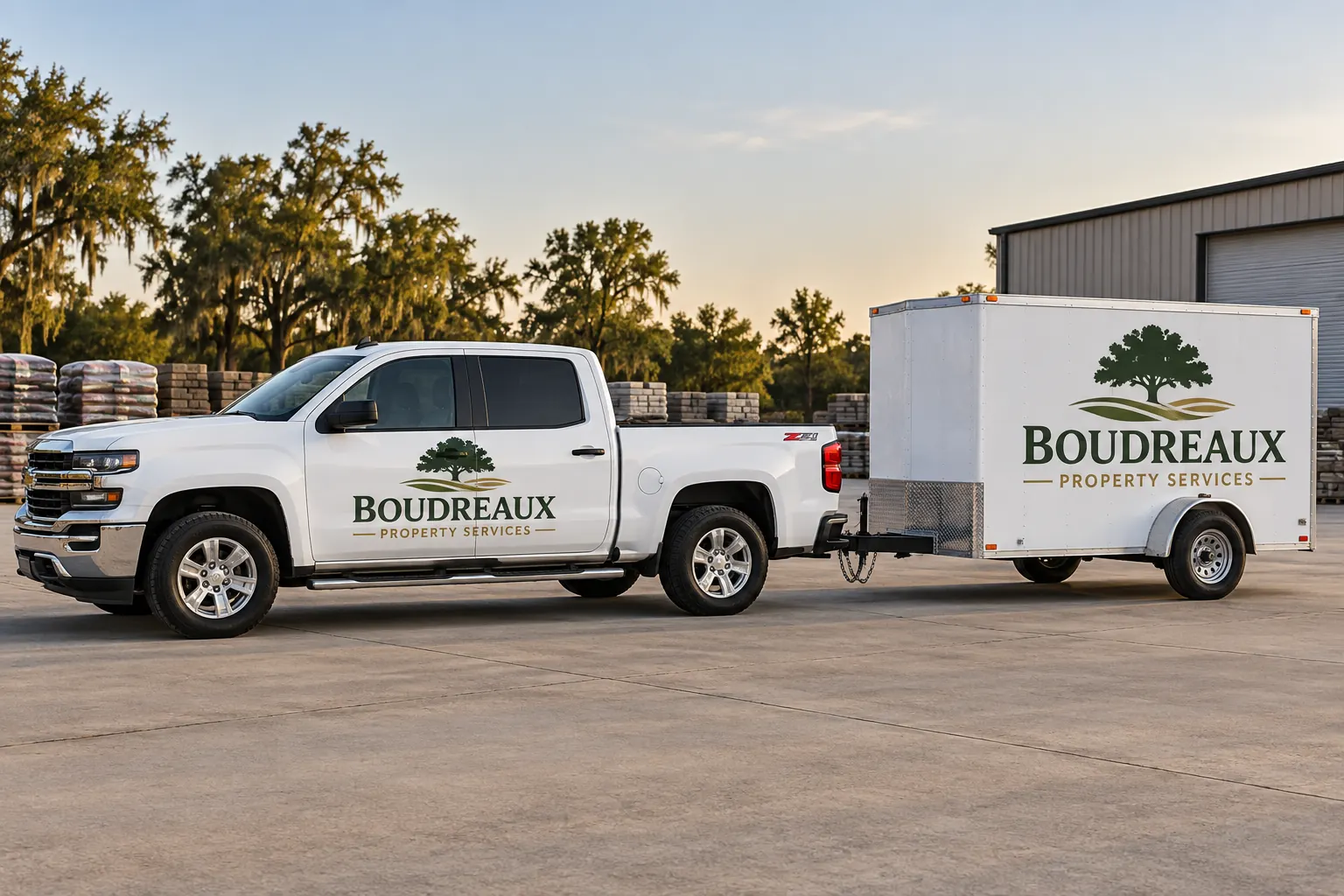
Fictional commercial design concept; not a local customer installation or a photograph of Pelican Wraps premises.
Choose the actual commercial assets receiving graphics
Start with the vehicles or trailers you want reviewed and explain their business role. A pickup and enclosed trailer may form a working pair, while a van or another truck carries the same identity separately. The quote brief should identify each asset rather than use a combined photograph as the whole scope.
Explore pickup graphics, trailer graphics or van graphics for the relevant service. Pelican Wraps uses the Harvey base at 1201 MacArthur Ave, Suite B, Harvey, LA 70058. This Gretna planning route does not establish an additional office or automatically confirm work at every customer location.
| Record | Include in the brief |
|---|---|
| Independent asset | Truck or trailer unit reference and intended faces |
| Shared identity | Approved name, service context and contact action |
| Separate condition | Current photographs, old graphics and preparation questions |
| Movement plan | Actual availability, transport owner and accepted work window |
Make each asset recognizable when it is used separately
Choose the approved company name and useful service context and decide the main contact action. Carry the identity proportions, palette and visual character between assets while fit their actual faces. A truck door and broad trailer side do not need identical compositions to read as one business.
Use the separable truck-and-trailer example for the planning method, adapting it to your own trade. The fictional Boudreaux Property Services concept illustrates coordination, not a Gretna customer installation or a verified production layout. The actual design should not depend on the two assets remaining hitched in one exact position to complete the business name or essential message.
Survey the truck and trailer as separate configurations
Photograph the pickup cab, bed and accessories and the trailer sides, doors and rear. Include actual hardware, lights, vents, trim and relevant equipment. Record unit references and intended faces and label dimensions that are estimates. Separate the condition and fit questions even if the assets usually travel together.
Use the survey guide to connect overall and close views. A trailer nominal size does not establish the usable area after doors and equipment are considered, and a shared company identity does not make a truck-door file suitable for a trailer panel. The accepted schedule should show which layout belongs to each actual asset.
Give side and rear messages their own useful roles
Decide what viewers should understand from the broad side and from an interrupted rear face. Review the business name and contact route against seams, bars, handles and other working details. Keep applicable required information and protected equipment clear through the responsible operator review.
Use rear-face planning when the trailer or van rear is part of the scope. Optional identity, internal unit references and regulated information are different fields that need appropriate sources and approval. A handsome side concept should not silently decide every rear position or establish that a decorative reflective element satisfies a required marking system.
Compare the actual pair and its starting conditions
Provide current old-graphic, repair and finish information for each asset. Ask the response to identify the proposed system and distinguish relevant design, removal, preparation, production and installation. Keep access, transport, optional faces and exclusions visible so the buyer can understand what the amounts include.
Use the coverage worksheet for a defined configuration rather than invent one unit price for a truck and trailer together. A coordinated appearance can still require different tasks and condition review. If the project is phased, retain the common identity while record the accepted scope and readiness of the asset being released.
Confirm movement and release without assuming one combined booking
Identify who controls the actual vehicles, towing or transport arrangements and access. Explain whether the assets can be available together and any operating dependency. Ask the supplier to confirm the accepted work location and actual windows after scope and readiness questions are addressed.
Use Louisiana 511 for current route information where needed and Harvey handoff planning for the base-location route. A service-area page does not reserve capacity or guarantee a travel or installation duration. Keep the actual unit and approved file visible in each release instruction so a substitution cannot quietly change the work.
Keep independent records within the shared identity
Retain the master artwork and separate accepted layouts, product references and installed photographs for each asset. Provide applicable care guidance and record later equipment or wording changes. When a pickup is replaced but the trailer remains, review the new truck fit without losing the retained trailer standard.
To begin, send the Gretna graphics brief with actual assets, photographs, approved identity, intended coverage and timing. Include unknown condition and release questions instead of guess the answers. The next review can define a coordinated scope without inventing a local branch, completed customer pair, regulatory approval or measured commercial result.
Frequently Asked Questions
Prepare Your Actual Vehicle Graphics Brief
Send current photographs, vehicle quantities, logo files, coverage preferences and timing. Identify old graphics and paint concerns so the project review can address the actual equipment.
Explore planning resources or request your commercial wrap quote.
