
Marrero Commercial Vehicle Wraps: Plan the Identity and Starting Condition Together
Plan service vans, work trucks and fleet graphics for your Marrero business through Pelican Wraps in Harvey. Connect the approved identity with actual unit condition, coverage and release records so a new appearance begins with a clear practical scope.
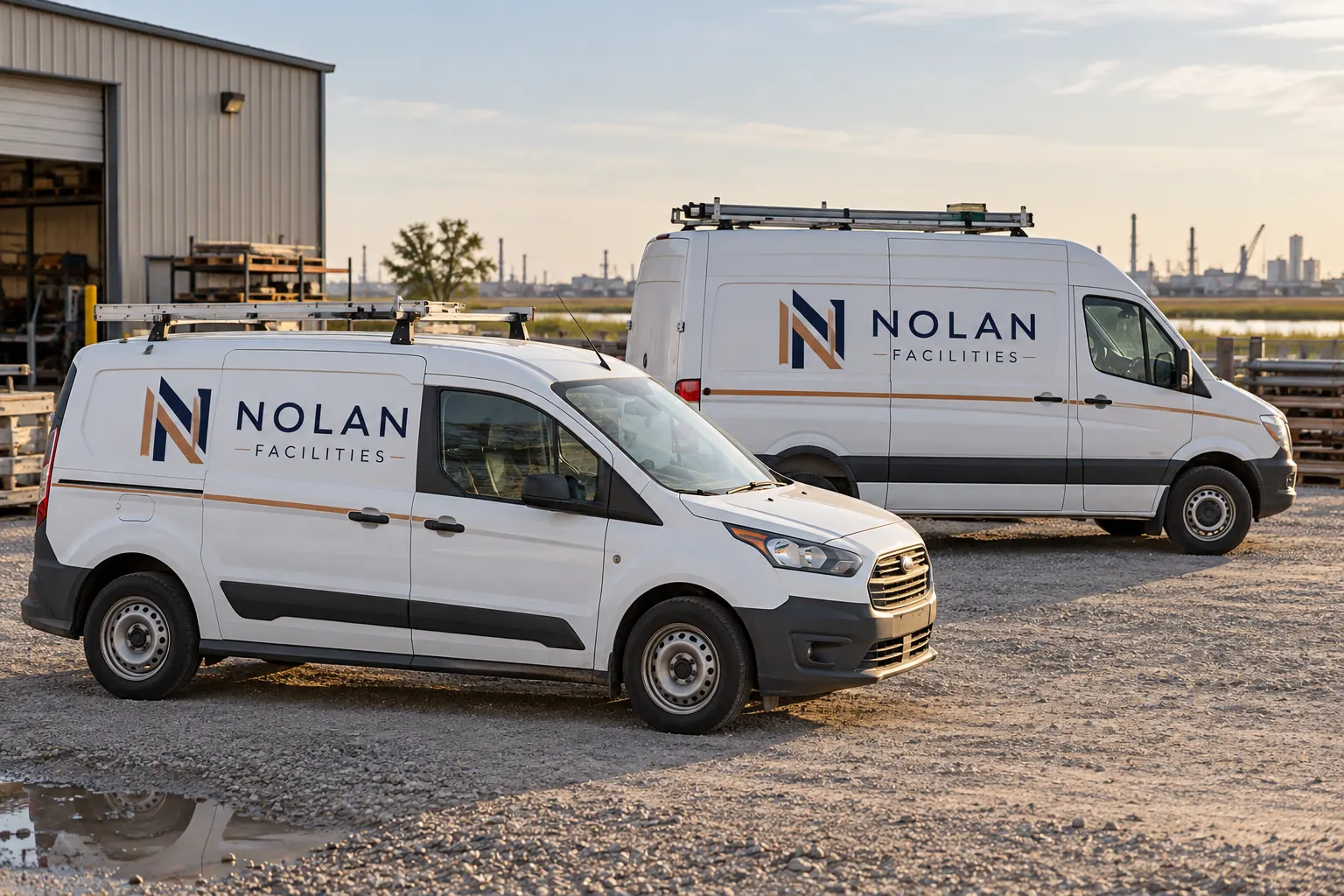
Fictional commercial design concept; not a local customer installation or a photograph of Pelican Wraps premises.
Start with the business purpose and actual working units
Identify the vehicles receiving graphics and explain whether the project is a first identity, rebrand, addition or replacement. Use the approved company name and lead service message. A working fleet can be recognizable across different vehicle generations while still needing separate fit and readiness decisions.
Explore van graphics, truck graphics and fleet programs for the actual offer. Pelican Wraps is based at 1201 MacArthur Ave, Suite B, Harvey, LA 70058. This Marrero planning page does not establish another branch or promise the same installation arrangement for every customer site.
| Record | Include in the brief |
|---|---|
| Condition evidence | Overall and close views tied to the actual unit |
| Known history | Repairs, treatments, old graphics and explicitly unknown details |
| Scope decision | Actual faces and reason for rebrand, update or replacement |
| Next handoff | Readiness owner, accepted file and confirmed release arrangement |
Create a condition record for each meaningful unit group
Provide overall photographs and close views of current graphics, finish concerns, repairs and relevant equipment. Record known previous work and treatments and mark uncertain history. If several units genuinely share a configuration, identify the condition differences that still need review rather than let the cleanest example represent the whole group.
Use the photo checklist to organize the evidence. The fictional Nolan Facilities vans illustrate a shared identity on different bodies; they are not a Marrero customer record or an inspection result. Your actual photographs should establish which concerns are visible and which information remains unknown before the proposed system and scope are reviewed.
Keep vehicle repair distinct from the graphics project
Disclose coating, body and old-film concerns and identify any separate vehicle work being considered. Decorative graphics do not repair an unsound substrate. The buyer does not need to diagnose every issue before enquiring, but known concerns and uncertain history should not disappear from the brief when a new design is selected.
Use readiness planning to assign the relevant questions and responsibilities. Ask the response to explain inspection needs, removal, preparation and changed-condition assumptions. The purpose is a defined practical handoff, not a universal rule that every older vehicle needs the same remedy or that a distant image proves the surface is suitable.
Compare a complete rebrand with a defined update where appropriate
Explain what information is changing and what remains current. A company-wide identity update, a new contact destination and one damaged graphic area are different project purposes. Describe the actual faces and boundaries being considered and compare the relevant work instead of assuming every enquiry requires a complete rewrap.
Use coverage comparison for actual alternatives and panel replacement for an isolated damage question. Keep entered amounts and exclusions beside the scope. No price, invisible match, future vehicle life or warranty result is established solely by the size or apparent age of the concern.
Retain the identity while fitting different bodies and equipment
Supply current master artwork and approved wording and map each unit to a genuine configuration group. Body length, roof, side doors, racks and other details can change the layout. Keep important words in useful clear areas and have the operator identify protected equipment and applicable required information.
Use the design standard to retain fitted sheets and controlled exceptions. The same business identity can work across different coverage boundaries without stretching the logo or assume every panel is equivalent. Record current contact and unit fields separately so a visually consistent fleet does not repeat an outdated destination or an unrelated asset reference.
Release the reviewed unit with the current accepted instruction
Identify the unit, condition status, approved layout and variable data and provide proposed availability. Name the person controlling transport and access and ask the supplier to confirm actual scope and scheduling arrangements. A vehicle that can leave work is not automatically ready for installation, and an accepted design does not guarantee the asset will be available.
Use Harvey handoff planning for the base-location discussion and Louisiana 511 for current route information. No fixed journey or completion time is promised. Keep readiness, release and actual work arrangements connected to the asset instead of inferring them from a calendar opening.
Keep the current record useful for the next fleet decision
Retain accepted layouts, relevant product information, installed photographs and care guidance by unit or genuine group. Record replacements, equipment and wording changes. If a new vehicle takes over an older unit role, review its actual fit and condition before assuming the previous file can be repeated unchanged.
To begin, send the Marrero vehicle graphics brief with current photographs, inventory, approved artwork, preferred coverage and timing. For the broader condition question, read the aging-fleet planning example. The next review should address your actual equipment without inventing a local customer story, generic age limit, guaranteed removal result or measured savings.
Frequently Asked Questions
Prepare Your Actual Vehicle Graphics Brief
Send current photographs, vehicle quantities, logo files, coverage preferences and timing. Identify old graphics and paint concerns so the project review can address the actual equipment.
Explore planning resources or request your commercial wrap quote.
