
Gulfport and Biloxi Fleet Graphics: Define the Interstate Project Scope
Plan commercial vehicle graphics for a Gulfport or Biloxi business with an actual asset list, approved identity and clear work arrangements. Pelican Wraps is based in Harvey, Louisiana; this page helps prepare the scope and handoff questions for a Mississippi fleet enquiry.
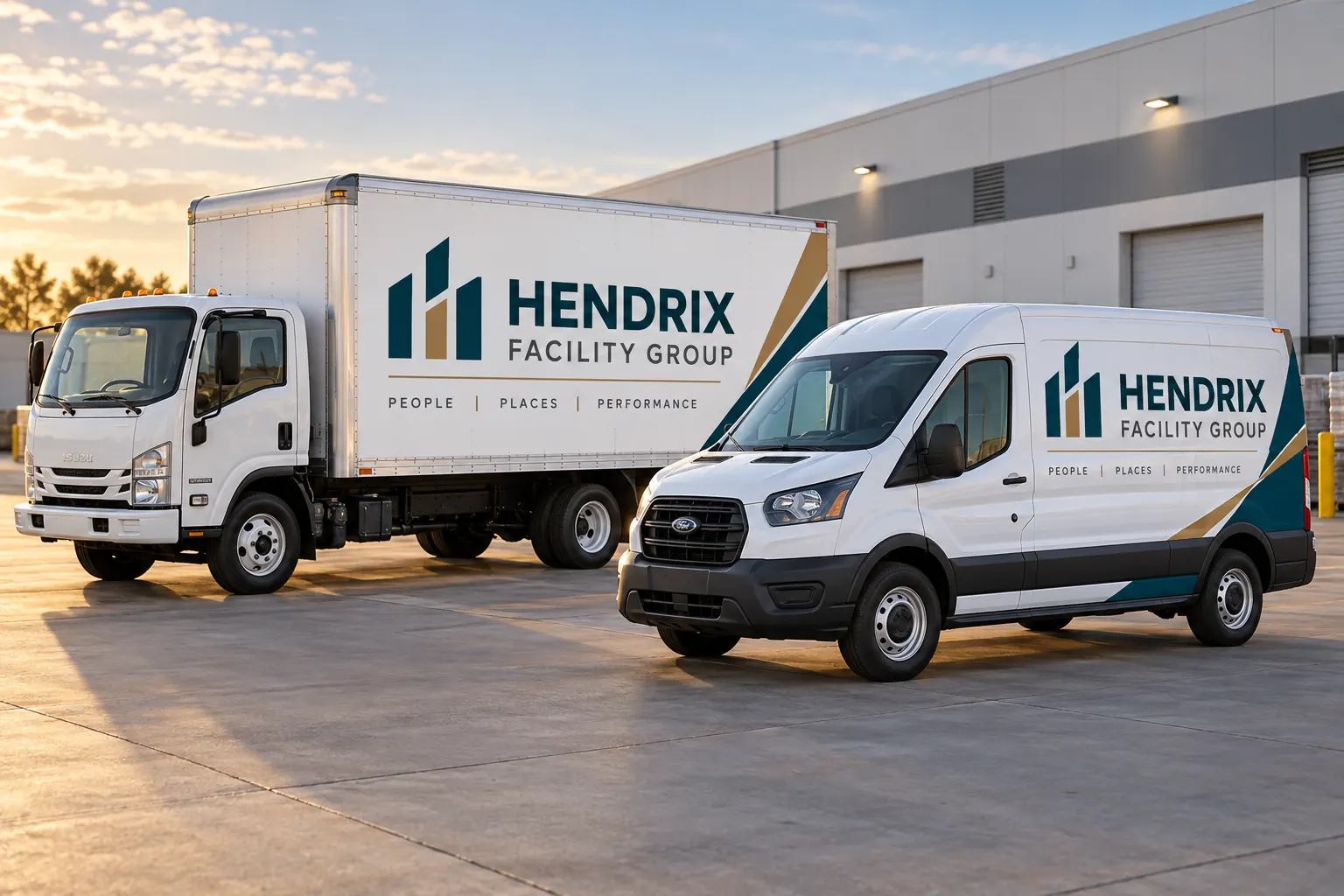
Fictional commercial design concept; not a local customer installation or a photograph of Pelican Wraps premises.
Identify the operating business and each actual asset
Start with the legal or trading identity that should appear on the vehicle and explain the commercial service it represents. List vans, box trucks and trailers separately, even when they use one brand. Record actual asset references, configurations, quantities and current operating locations. A regional fleet total is useful for scale but does not replace individual fit and condition information.
Explore vehicle services and fleet programs to choose the relevant scope. Pelican Wraps uses 1201 MacArthur Ave, Suite B, Harvey, LA 70058. No separate Gulfport or Biloxi office is established here. Confirm the actual project and work arrangement before committing vehicles to movement or treating a regional enquiry as an accepted installation date.
| Record | Include in the brief |
|---|---|
| Asset identity | Actual business, configurations, quantities and operating locations |
| Authorized information | Named operator and business-data owners with accepted fields |
| Interstate handoff | Movement responsibility, dimensions and confirmed receiving arrangement |
| Return record | Accepted scope, installed photographs and operational return owner |
Keep the commercial message clear across different configurations
Choose a recognizable business name, primary service line and useful contact route. A box side gives the designer a broad area, while a van has different doors and interruptions. Keep the visual family consistent while giving each actual body a fitted arrangement. Identify wording that changes by operating group and retain an approved source for it.
Use design standards to record master identity and controlled exceptions. The Hendrix Facility Group illustration is a fictional fleet concept, not a casino relationship, Gulf Coast customer or installed project. Its useful lesson is the relationship between shared identity and different body proportions. Supply photographs of your own units and current artwork so the enquiry concerns actual vehicles rather than an imagined identical fleet.
Separate business identity from operator-controlled information
Identify required fields through the responsible operator and retain the exact approved wording. Keep internal references, optional marketing information and regulated markings distinct. A company name used for branding may not answer every operator-identification question, and an internal unit number should not be presented as an issued regulatory identifier.
Use the commercial marking guide to frame the questions, then obtain the actual applicable information. Mark areas that must remain clear and identify the person accepting those details. A concept scene cannot establish regulatory applicability, required equipment or approval. Record the data owner and version alongside the fitted proof so a later branch or vehicle change does not silently carry forward obsolete operator information.
Compare scope using the same faces and preparation assumptions
Define which faces receive graphics, their boundaries and the quantity of each configuration. Distinguish removal and preparation from separate vehicle repair. Photograph existing graphics, paint concerns and relevant body details so unknown work is visible before the commercial comparison. A larger printed area does not independently establish a better business result.
Use coverage comparison and the RFQ worksheet for a consistent record. Ask the proposal to identify included design work, relevant product information, exclusions and unresolved conditions. Visitor-entered worksheet amounts do not establish supplier rates. Keep alternatives tied to the same actual asset and scope so the buyer can understand what a price difference represents.
Confirm the work arrangement before planning interstate movement
Provide actual departure and proposed receiving locations, vehicle dimensions, equipment and the person controlling transport. Ask the supplier to confirm the work location, access requirements and availability for the defined scope. If another party will move the vehicle, make the handoff responsibility explicit rather than assuming the graphics supplier provides transport.
The Mississippi DOT travel resources can support current journey planning; the responsible operator must address the actual vehicle and route. Use Harvey handoff planning for the base-location discussion. No fixed travel duration, universal vehicle permission or automatic on-site installation is promised. Keep proposed timing separate from the accepted arrangement and avoid releasing a working asset against an unresolved receiving plan.
Use a clear return and acceptance record
Name the person who reviews the completed vehicle against the accepted scope and the person who authorizes its operational return. Retain relevant installed photographs, product references and applicable care information. Record a discrepancy or changed instruction with its unit reference so it can be discussed without confusing an earlier proof with the final accepted record.
For several vehicles, use the rollout planner to organize proposed batches and dependencies. The worksheet does not book capacity. Actual release windows may differ because vehicles have different duties, condition and transport needs. A common record structure can make the process easier to manage while allowing each unit’s accepted work and handoff arrangement to remain visible.
Prepare future additions without losing the original fit record
Retain master identity separately from fitted vehicle sheets. A later replacement panel or additional truck should begin with the current unit photographs, relevant condition and the accepted reference version. A new roof, door or equipment configuration can need a revised layout even when the brand has not changed.
Use panel replacement planning for damage enquiries. To begin, send the Gulfport or Biloxi fleet brief with actual locations, quantities, configurations, photographs, artwork, intended faces and proposed timing. Identify brand, operator-data and transport contacts. Mark the decisions still open so the first response can address a real scope and work arrangement rather than assume a local office, universal coverage or an already booked release.
Frequently Asked Questions
Prepare Your Actual Vehicle Graphics Brief
Send current photographs, vehicle quantities, logo files, coverage preferences and timing. Identify old graphics and paint concerns so the project review can address the actual equipment.
Explore planning resources or request your commercial wrap quote.
