
Houma and Thibodaux Vehicle Wraps and Working-Asset Graphics
Plan commercial truck, van, trailer and equipment graphics for a Houma or Thibodaux business through Pelican Wraps in Harvey. Build the brief around actual working assets, protected information and the records needed for a clear scope and movement decision.
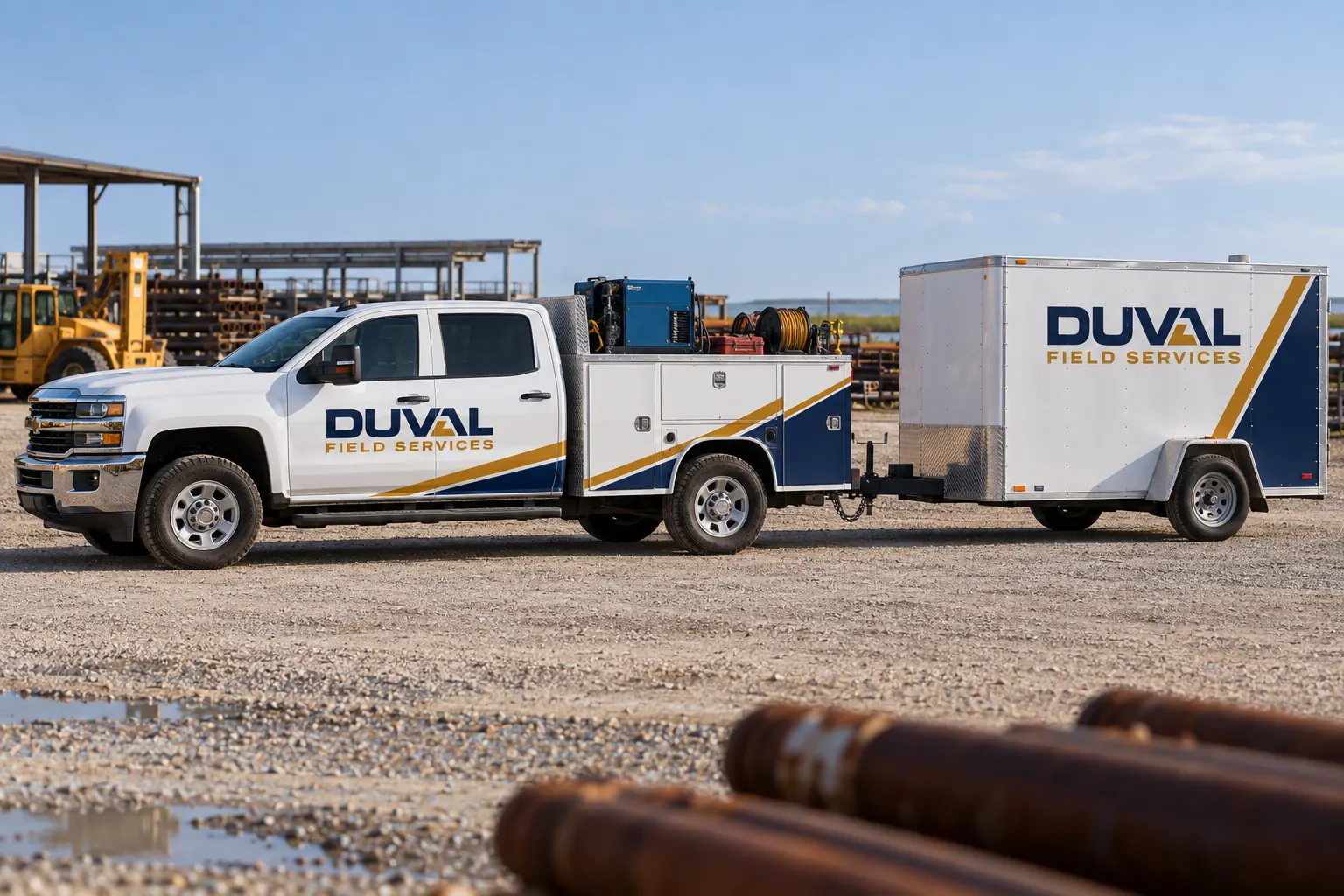
Fictional commercial design concept; not a local customer installation or a photograph of Pelican Wraps premises.
Identify the actual equipment and the commercial message
List the trucks, vans, trailers or machinery receiving graphics and explain the approved identity purpose. A service-body truck may need clear business recognition while a separate asset also needs an internal reference or defined label. Keep those purposes readable in the brief instead of using one broad request to brand everything.
Explore service-body graphics, trailers or equipment applications for the relevant offer. Pelican Wraps uses 1201 MacArthur Ave, Suite B, Harvey, LA 70058. This Houma and Thibodaux route does not establish additional offices or confirm work at every equipment location.
| Record | Include in the brief |
|---|---|
| Working assets | Actual references and separate truck, trailer or machine scopes |
| Operational review | Protected areas, authorized data and equipment information |
| Condition record | Known history, current photographs and open readiness questions |
| Movement handoff | Dimensions, access, transport owner and accepted receiving arrangement |
Create a register that stays useful when assets separate
Record actual unit references, configurations, quantities and intended faces. A truck and utility trailer may work together but still need their own layout, condition and release records. Identify machinery or other assets separately and name the operator controlling their information and access.
Use the inventory worksheet as a starting structure. The fictional Duval Field Services illustration shows coordinated working assets, not an actual local customer or inspected fleet. Use current photographs and actual equipment references to define the scope. A combined image or repeated company name does not establish identical materials, preparation or production fit across the assets.
Survey construction and protected operational areas
Provide overall and close photographs showing compartments, doors, latches, rails, controls, lights and relevant equipment. Identify surfaces that move or are routinely obscured and label estimated dimensions. Have the responsible operator identify required information, warnings and areas that must remain clear.
Use body-detail planning and the data guide for the actual review questions. Optional business identity, internal references and regulated markings serve different purposes. The artwork should use current authorized information rather than invent identifiers or treat a fictional work-vehicle scene as a compliance or equipment-clearance determination.
Choose coverage for the actual message and surface
Define the faces and boundaries under consideration and keep the main business message visible in the comparison. A broad trailer side, truck cab and compartmented body can share identity assets while needing different arrangements and coverage. Retain the approved logo proportions rather than force one composition across unrelated shapes.
Use the coverage worksheet for a defined configuration and ask the actual proposal to identify the selected product and construction. Reflective identity or a larger printed area does not independently establish a required safety system, surface suitability or a commercial result. Keep technical and operational questions with the actual asset and relevant selected-system review.
Document condition and care context before confirming work
Photograph existing graphics, repairs and finish concerns and provide available history. Explain the actual operating and cleaning arrangements without converting exposure into a fixed durability promise. Different assets in one company can have different substrates and previous work even when the new identity is coordinated.
Use readiness planning to identify removal, preparation and separate asset-work questions. A graphic is not a substrate repair, and one general product category cannot establish approval for every machine or body. The commercial response should explain included tasks, exclusions and information still needed before the work is treated as ready for release.
Confirm transport and access for the actual asset
Identify where each unit is located, how it can be moved or made available and who controls the handoff. Provide actual dimensions and equipment details relevant to the proposed arrangement. Ask the supplier to confirm work location, receiving requirements and availability rather than infer capacity from a category name or concept image.
Use Harvey handoff planning and current Louisiana 511 information where helpful. Keep proposed timing separate from accepted arrangements. This page does not promise controlled-site access, universal on-site work or a fixed travel and installation duration for every truck, trailer and piece of equipment.
Retain a working record for damage and equipment changes
Connect each completed asset to its accepted layout, approved data, relevant product information and installed photographs. Keep applicable care guidance with the responsible operating contact. Record panel, equipment or identity changes before repeating orders so a new file review starts with current facts.
To begin, send the Houma or Thibodaux asset brief with actual units, photographs, approved identity, desired faces and timing. Use panel replacement planning for a later damage enquiry. The next discussion should define a practical actual scope without inventing a local customer fleet, qualification, guaranteed material life or measured operating benefit.
Frequently Asked Questions
Prepare Your Actual Vehicle Graphics Brief
Send current photographs, vehicle quantities, logo files, coverage preferences and timing. Identify old graphics and paint concerns so the project review can address the actual equipment.
Explore planning resources or request your commercial wrap quote.
