
Commercial Vehicle Wrap Resources
Choose the guide that answers the decision in front of you. If you are comparing coverage, preparing a fleet rollout or trying to understand a damaged panel, start with that question before collecting every specification on the site. These resources help commercial buyers prepare a usable project brief. When the vehicle and objective are clear, the next step is a scoped discussion with Pelican Wraps.
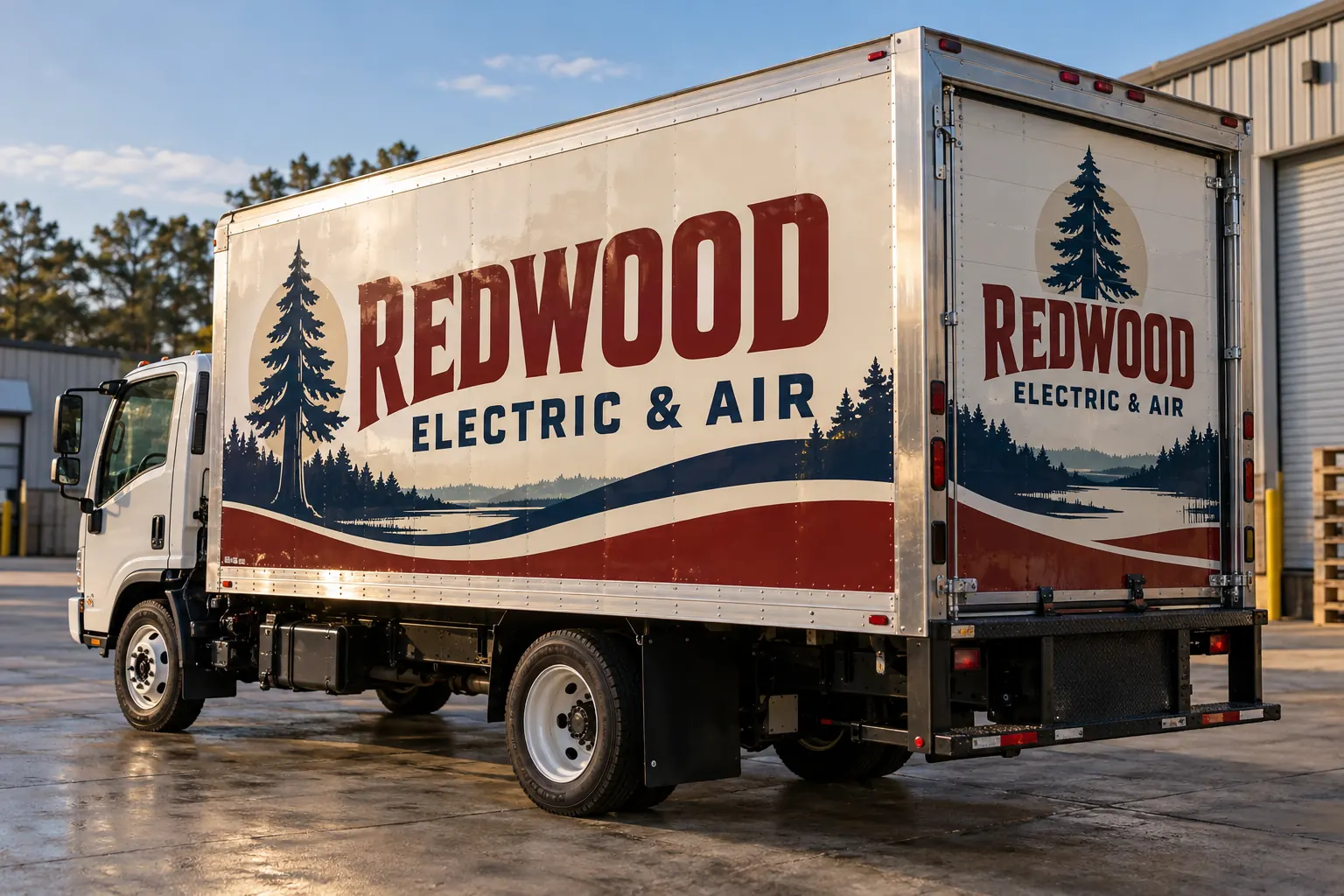
Fictional commercial wrap design concept; not a completed customer installation.
Start with the buying decision, then choose a guide
If the first question is whether to use a full wrap, partial coverage or lettering, read the coverage comparison. Compare the same message on the same vehicle so coverage is not confused with design quality. If the equipment is already known, go to the relevant vehicle service and use its surface and preparation questions to refine the scope.
You do not need every answer before contacting the shop. Identify what you know, what you are deciding and what needs inspection. A clear uncertainty is useful information. An assumed specification copied from an unrelated project can make a proposal less accurate, even if the brief looks complete.
Understand the inputs behind a commercial wrap price
Useful pricing begins with actual equipment, included surfaces and preparation. Vehicle length alone does not identify the work around hinges, rivets, doors, liftgates or existing graphics. Design adaptation and removal can also change the scope. Use the box truck cost guide when that is your vehicle, or the cost directory below for another category.
Compare proposals on the same basis: coverage, material system, preparation, artwork work, installation and exclusions. A lower total may describe less work rather than a better value. Do not treat a worksheet as a binding quote or assume a fleet quantity creates a fixed discount. Send the underlying vehicle details for a project-specific review.
Plan the artwork around how the vehicle is seen
A working vehicle has brief and uneven viewing opportunities. Decide which name, trade description and contact route matter most. Then check how the identity fits each side and the rear, including normal door and equipment positions. The box truck design guide explains this process for large commercial bodies without treating every panel as a place for another slogan.
Collect the best logo and brand files available, and mark missing assets honestly. An image copied from a website may be a reference rather than production-ready artwork. Keep approved contact details and any required markings in the brief. Review the final proof against the actual vehicle instead of assuming a generic model drawing establishes fit.
Turn a fleet list into an installation plan
For several vehicles, create a unit register with body types, photographs, current graphics, operating bases and release contacts. Identify which equipment must remain in service and which can be worked on together. The fleet planning guide helps assemble the information; the scheduling guide turns it into dependencies and a release sequence.
Keep artwork approval, vehicle readiness and installation availability separate. A launch target does not confirm each of those milestones. For a business identity change, use fleet rebranding. For recurring additions and repairs, review fleet graphics management so the project leaves behind usable records rather than only a set of photographs.
Use material and care guidance for the actual application
Film selection depends on the surface, body geometry, operating conditions and intended service period. A manufacturer name or an attractive finish does not establish suitability by itself. Review materials and specification questions, then ask the proposal to identify the system intended for your project. Keep the written terms and care instructions supplied with the actual work.
If film is damaged, lifting or aging, photograph the condition and explain when it appeared. Do not assume the cause or an applicable warranty from a general article. Repairs, removal and replacement involve the current condition of both graphics and finish. Use the relevant guides to prepare the inquiry, then obtain the assessment needed for that vehicle.
Treat checklists as working documents
A useful checklist captures decisions, owners and missing information. It should not make a guess look like a confirmed measurement. A vehicle inventory can record a body detail that still needs inspection; a rollout planner can show an unconfirmed release date. Preserve that distinction when sending the document to the shop or to your internal approver.
The resource directory includes checklists and planning worksheets for procurement, photos, artwork, coverage and rollout. Use them alongside the relevant service page. Before relying on a calculator or template for a purchasing decision, confirm what it actually does and which assumptions it requires. A tool title does not establish an automated estimate, financial return or production commitment.
Move from reading to a usable project brief
Send vehicle year, make, model, body details, quantity and clear photographs. Add the business message, available artwork, preferred coverage, old-graphic condition and timing constraints. Explain where the equipment operates and whether inspection or installation at the Harvey shop needs coordination. Pelican Wraps has one established Harvey base; a location page does not establish another branch.
Request a commercial wrap quote once you can describe the project. The inquiry can identify details still needed before a proposal. You should leave the research stage with a clearer choice and a next action, not a requirement to read every article. Browse the grouped directory below whenever another specific question arises.
Browse Resources by Decision
Cost and coverage
- Vehicle Wrap Cost Guide
- Box Truck Wrap Cost
- Commercial Van Wrap Cost
- Trailer Wrap Cost
- Fleet Wrap Pricing & Volume Planning
- Vehicle Lettering Cost
- Vehicle Wrap Removal Cost
- Commercial Wrap Design Cost
- Partial Vehicle Wrap Cost
- What Changes Vehicle Wrap Price?
- Wrap Repair vs Replacement Cost
- Full Wrap vs Partial Wrap
- Wrap vs Paint for Commercial Vehicles
Design, artwork and materials
- Artwork Guidelines
- Fleet Wrap Design Standards
- Box Truck Wrap Design Guide
- Fleet Color Consistency Guide
- Cast vs Calendared Vinyl for Vehicle Wraps
- Printed Vinyl vs Cut Vinyl Graphics
- Matte vs Gloss Vehicle Wrap Laminate
- Commercial Vehicle Wrap Design Mistakes
- Commercial Vehicle Photo & Measurement Guide
- Rear-Door Box Truck & Van Wrap Design
- Wrapping Rivets, Seams, Liftgates & Roll-Up Doors
- Best Artwork File Types for Vehicle Wraps
- Box Truck Fleet Branding Standards
- Commercial & Charter Boat Wrap Design Guide
Fleet planning and procurement
- Fleet Wrap Planning Guide
- Fleet Rebranding Checklist
- Reflective Vehicle Graphics Guide
- Vehicle Wrap ROI Guide
- Leased Vehicle Wraps Guide
- DOT Numbers, Unit Numbers & Commercial Vehicle Markings
- Fleet Branding After a Merger or Acquisition
- Adding New Vehicle Models to a Branded Fleet
- Multi-Branch Fleet Graphics Management
- Fleet Wrap Installation Scheduling Guide
- Fleet Graphics RFP Template & Checklist
Preparation, care and replacement
- Wrap Care & Maintenance
- Frequently Asked Questions
- How Long Do Vehicle Wraps Last?
- Vehicle Wrap Removal Guide
- Can You Wrap Over Scratches, Rust, or Dents?
- How Long Should Paint Cure Before Wrapping?
- Vehicle Wrap Installation Turnaround Time
- How to Prepare a Vehicle for Wrap Installation
- When to Remove or Replace Aging Fleet Graphics
- Commercial Vehicle Wrap Warranty Guide
- Weather, Sun, Salt & Washing Effects on Wraps
Checklists and worksheets
- Vehicle Wrap Cost Estimator Worksheet
- Fleet Wrap Rollout Planner
- Vehicle Wrap ROI Calculator Worksheet
- Fleet Vehicle Inventory Worksheet
- Vehicle Wrap Artwork Preflight Checklist
- Wrap Coverage Comparison Tool
- Fleet Rebranding Timeline Builder
- Fleet Graphics Procurement & RFQ Checklist
- Commercial Wrap Care Checklist
- Vehicle Wrap Photo Upload Checklist
Further fleet planning articles
Frequently Asked Questions
Turn Your Vehicle Details Into a Clear Project Brief
Send current photographs, vehicle quantities, logo files, coverage preferences and timing. Identify old graphics and paint concerns so the project review can address the actual equipment.
Explore planning resources or request your commercial wrap quote.
